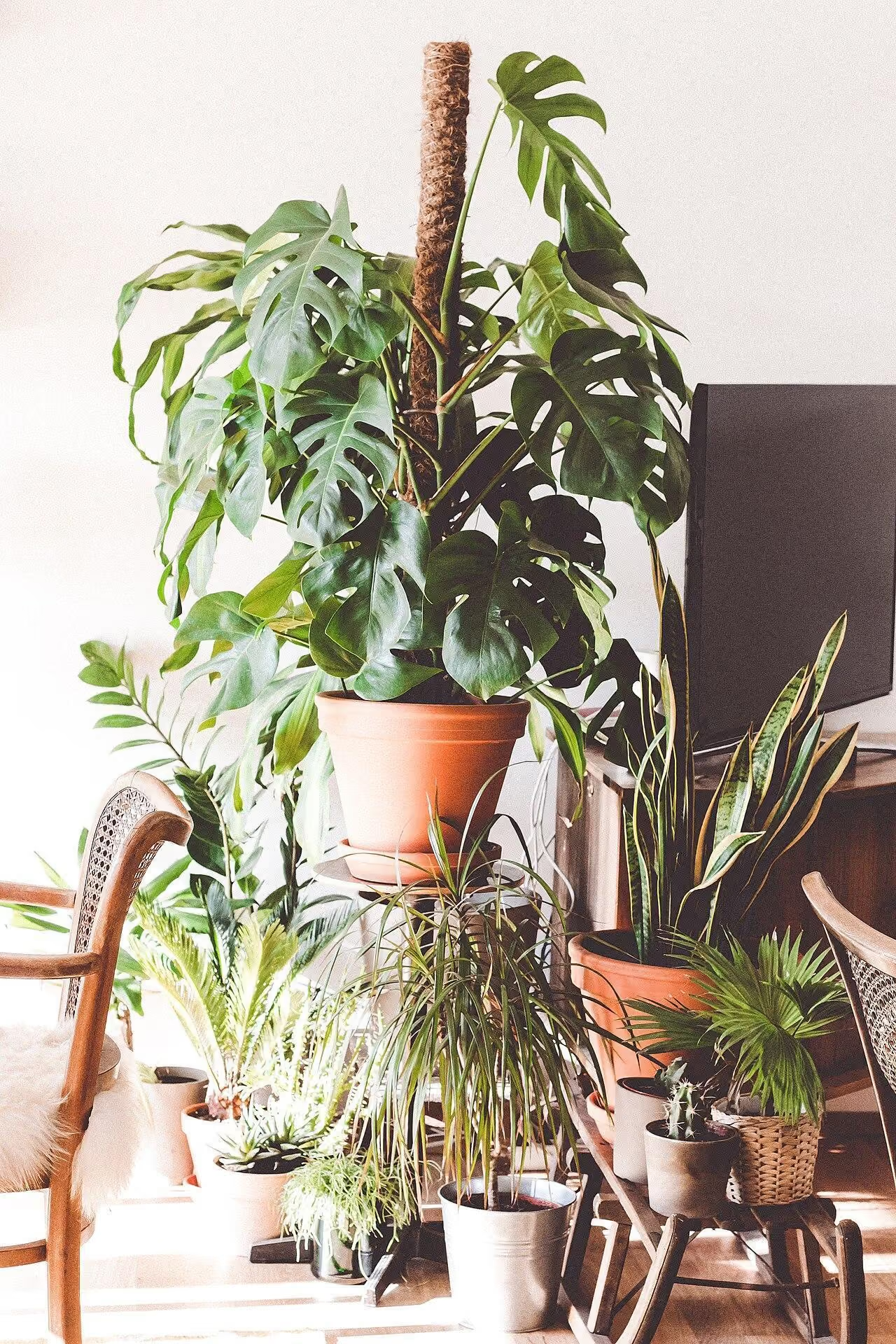
Studio zoning
A Studio Apartment with Two Distinct Evening Zones
Separate sleeping and sitting without turning the whole apartment into a partition system.
Plan a small home around occupied routes, opening furniture and real routines, with guides for studios, narrow rooms and awkward corners.
A small-room plan should show people using the furniture. A sofa outline, closed wardrobe and folded drying rack describe storage positions, not the whole room. Begin with the movements that must remain possible, then decide which activities can share space at different times.
Measure the internal room, mark doors and window movement, and record fixed services or projections. Add the outer dimensions of retained furniture. Then draw a second layer for use: the pulled-out chair, open drawer, reclined seat or person standing from a sofa.
A floor-area calculation helps compare quantities, but unallocated area does not prove a route is usable. A narrow strip in the wrong place may contribute little to circulation. Use the room worksheet as a starting calculation, then test the actual geometry and the people who will use it.
Two tasks that happen at the same time need compatible positions. Two tasks that happen at different times may share a table or floor area, provided the change is straightforward. List what must move, where it goes and how long the setup feels in ordinary life. A folding mechanism is not automatically a convenient routine.
A shared work and dining surface needs a destination for work materials when the meal begins. A studio sleeping zone needs a plan for light, access and privacy as well as a visual divider. Choose the smallest boundary that answers the actual problem; a screen does not create sound isolation.
Tape footprints with a product appropriate to the floor finish, or use suitable existing furniture for a trial. Rehearse the awkward moment instead of only the easy one: passing while someone is seated, carrying a basket, opening a drawer or hosting the usual guest.
Keep notes about what repeatedly returns to the wrong place. The answer may be a missing storage category rather than insufficient furniture. A well-defined alcove can help, but filling every recess can also make the room harder to maintain. Retain empty space when it performs a useful job.
If the issue is a visible bed in a studio, compare an open arrangement with a reversible visual divider first.
Studio Apartment Zoning for Separate Sleep and Sitting AreasIf shared hobbies create the conflict, inventory the actual tools and unfinished work before adding storage.
Japandi Living Room Storage for Two Different HobbiesIf two activities happen at once, test both positions and their routes together rather than counting floor area alone.
Small Shared Homes: Create Privacy Without Another RoomWhen the routine changes, reassess the furniture roles before committing to custom permanent work.
How to Plan a Home Around Your Actual Daily RoutinesUse the conditions above to choose your route. Each linked article separates the proposed decision from its published references and its blank observation worksheet.
| Room condition | Useful test | Avoid deciding from |
|---|---|---|
| A narrow living room | Walk the full route while the main seat is occupied | A photograph with every chair pushed in |
| A studio with two activities | Rehearse both activities and the change between them | A divider’s closed footprint alone |
| An awkward alcove | Check reach, access and the one task it should support | The assumption that every gap needs shelving |
| A fold-away or extendable item | Open it fully and place the displaced objects | The compact product dimensions in a listing |
Separate sleeping and sitting without turning the whole apartment into a partition system.
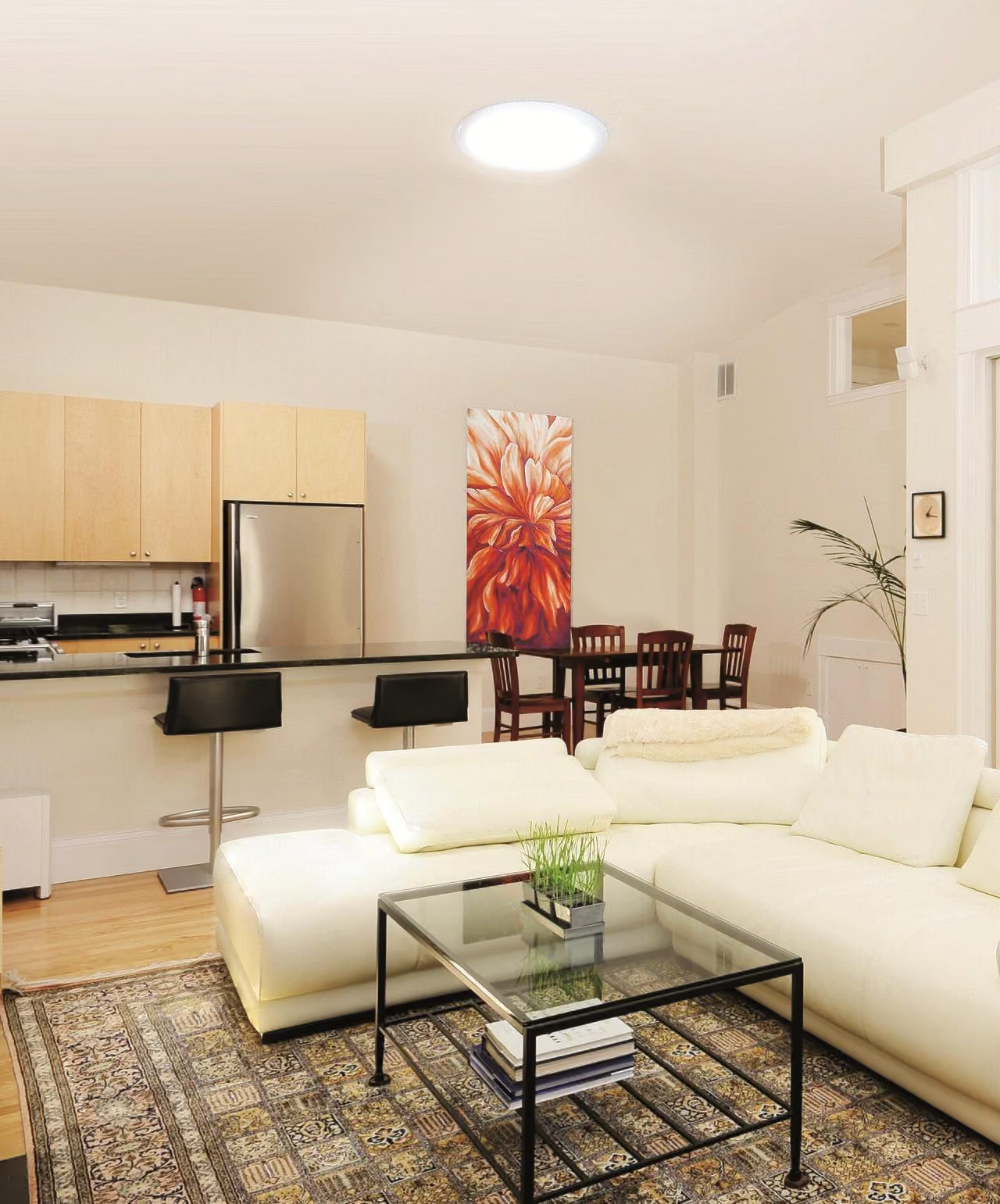
Protect a usable route while retaining comfortable seating.

Evaluate reach, maintenance and actual sitting comfort before building one.
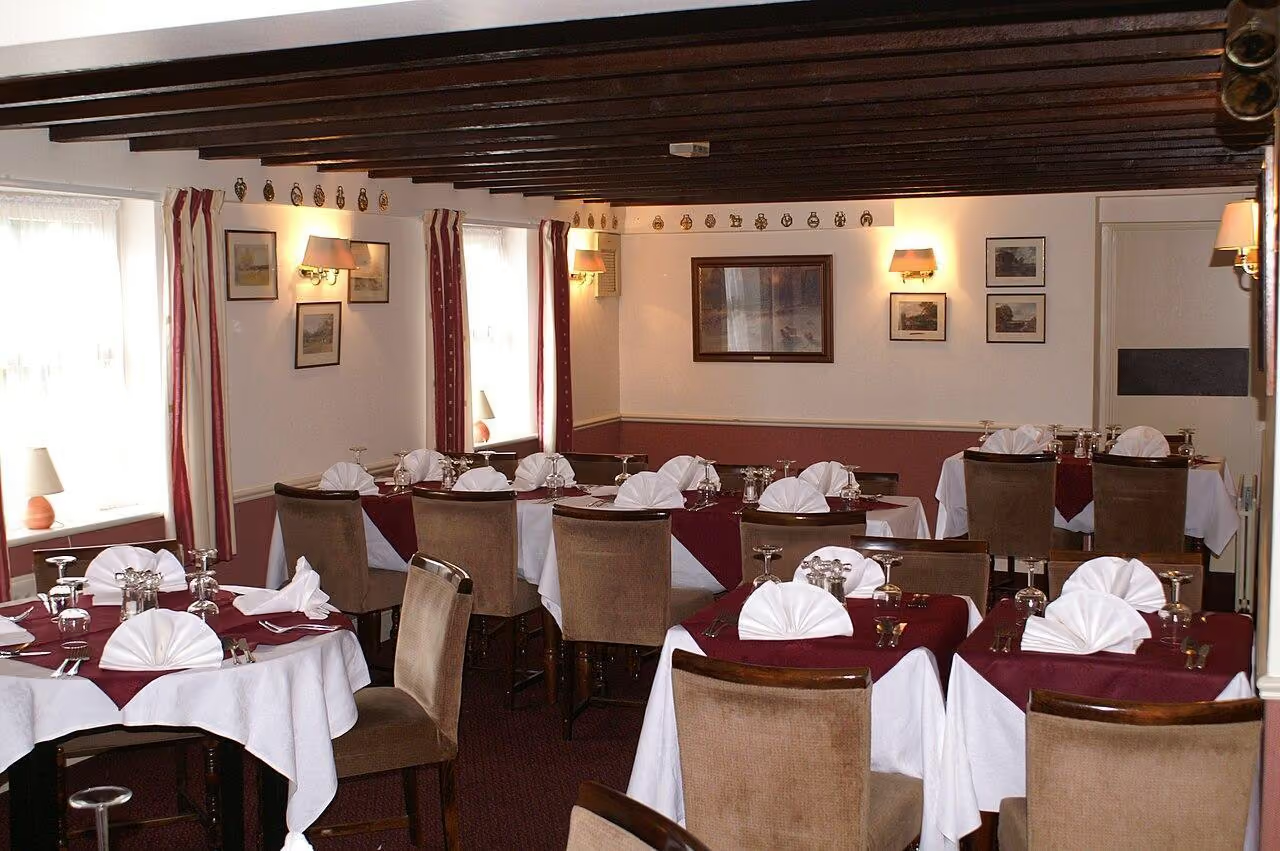
Make the work-to-meal transition manageable rather than imaginary.
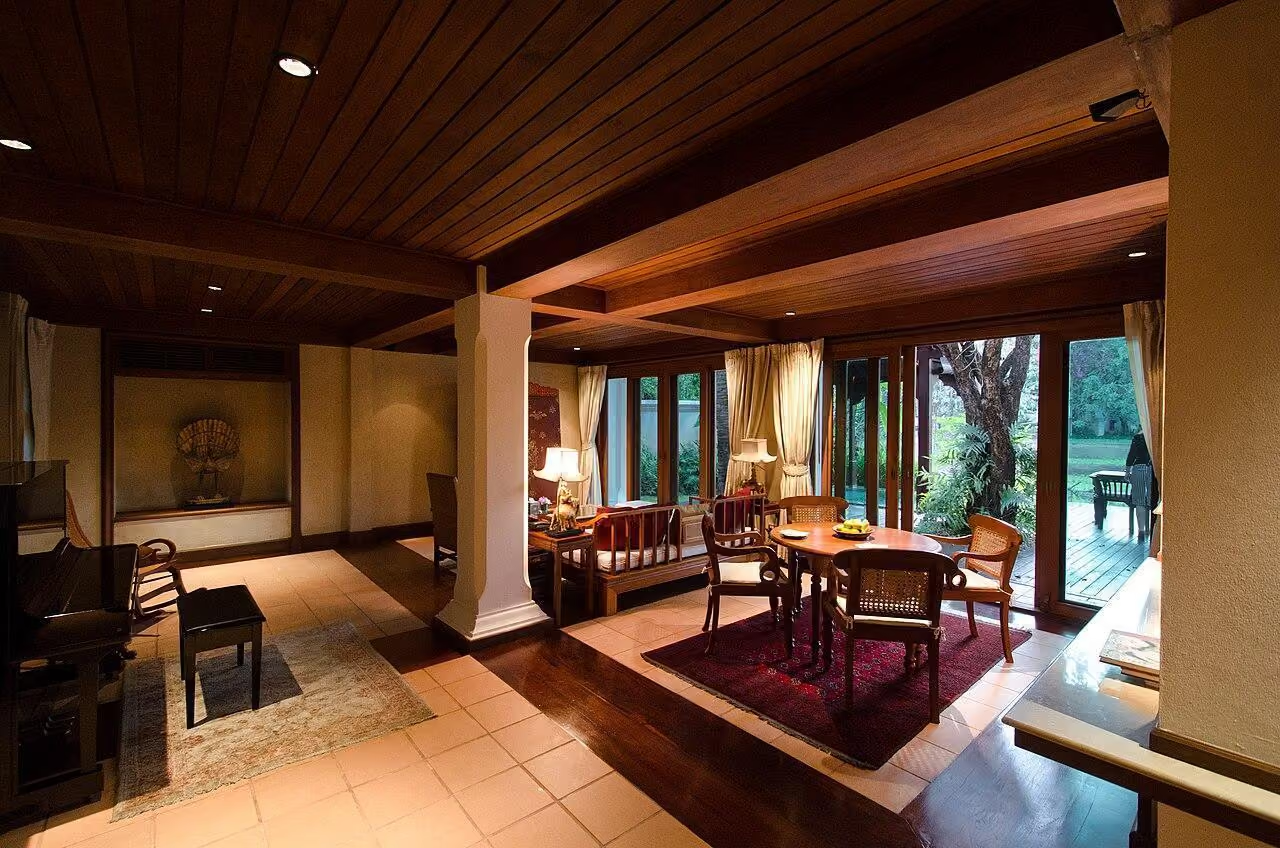
Work with proportion and usable light rather than relying on visual tricks.
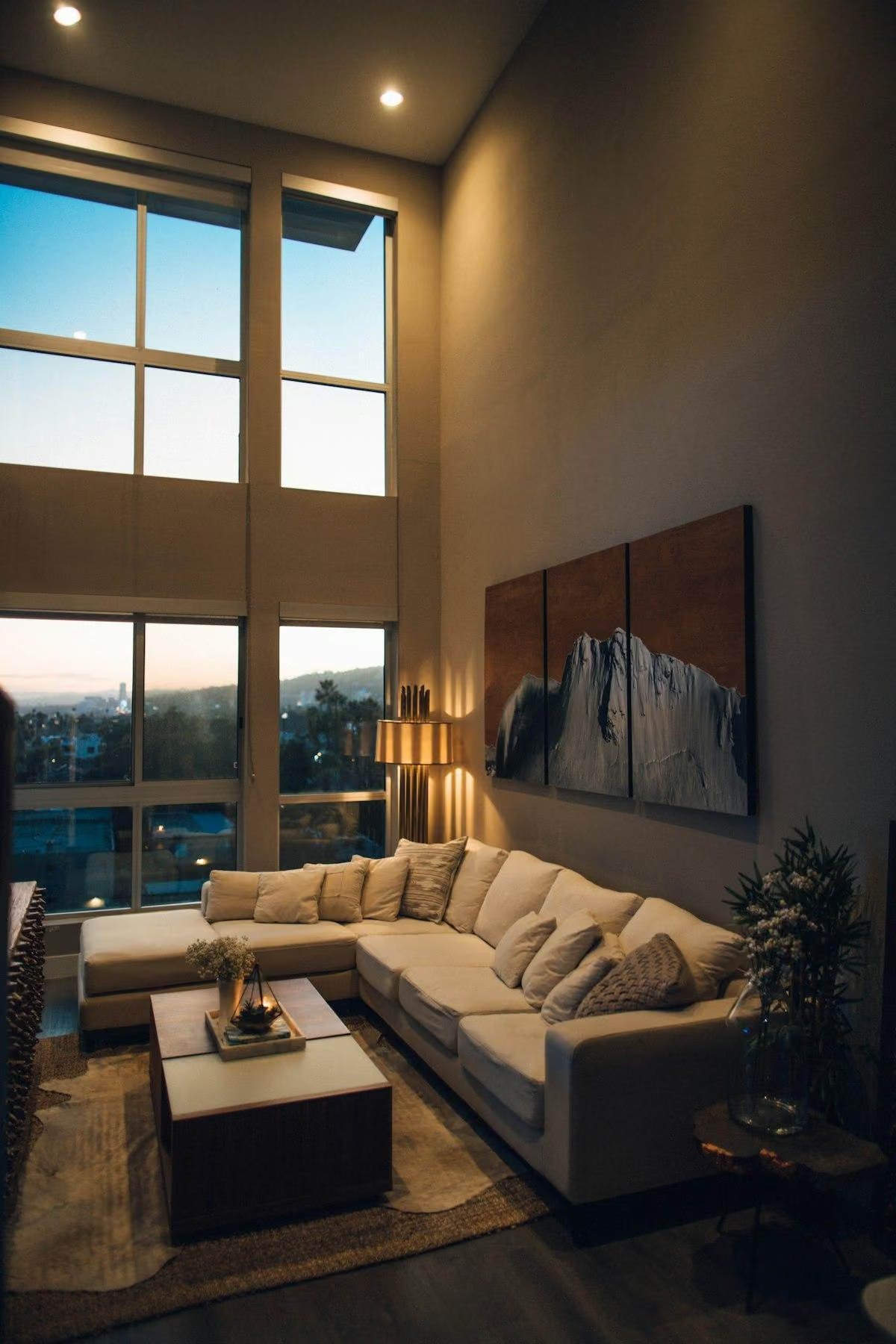
Give a small recess one useful job and preserve access.
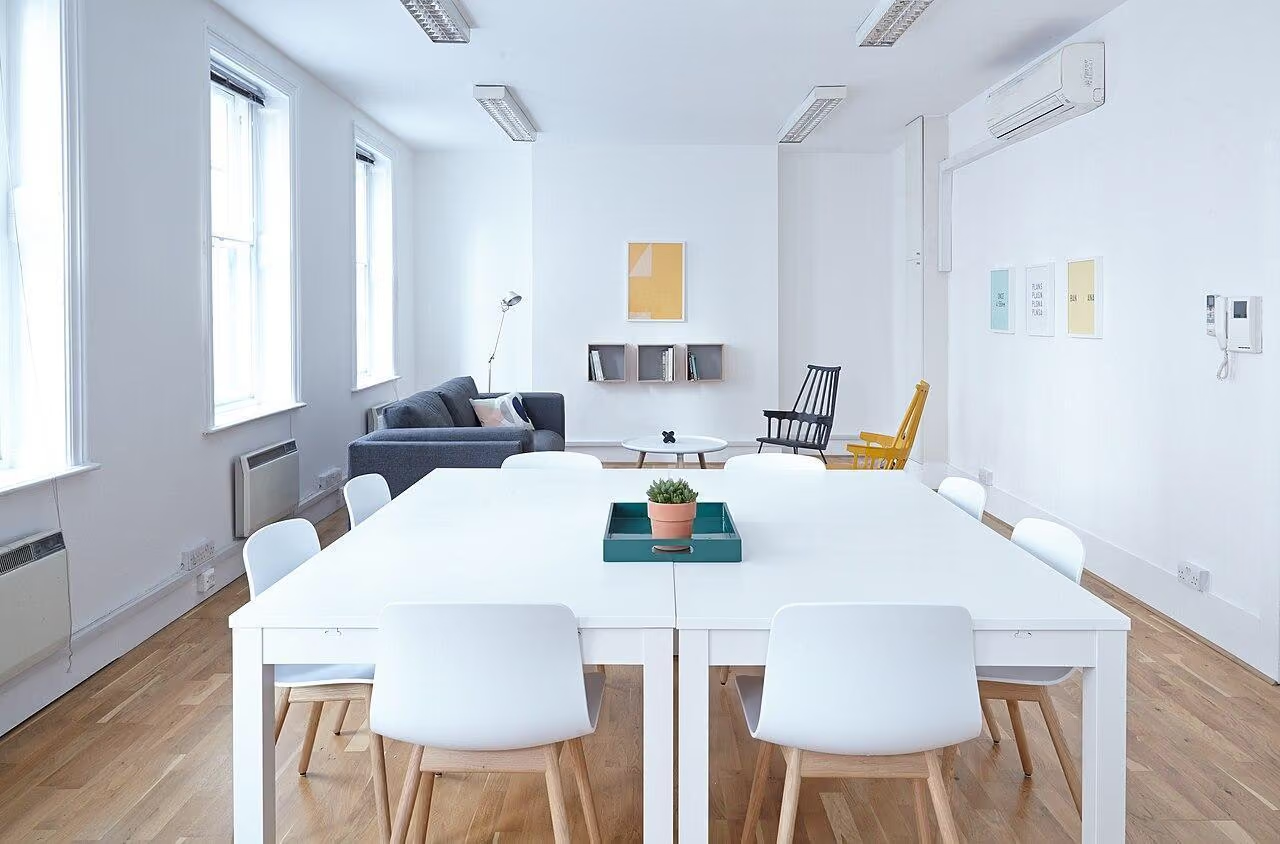
Distinguish visual privacy, acoustic needs and interruptions.
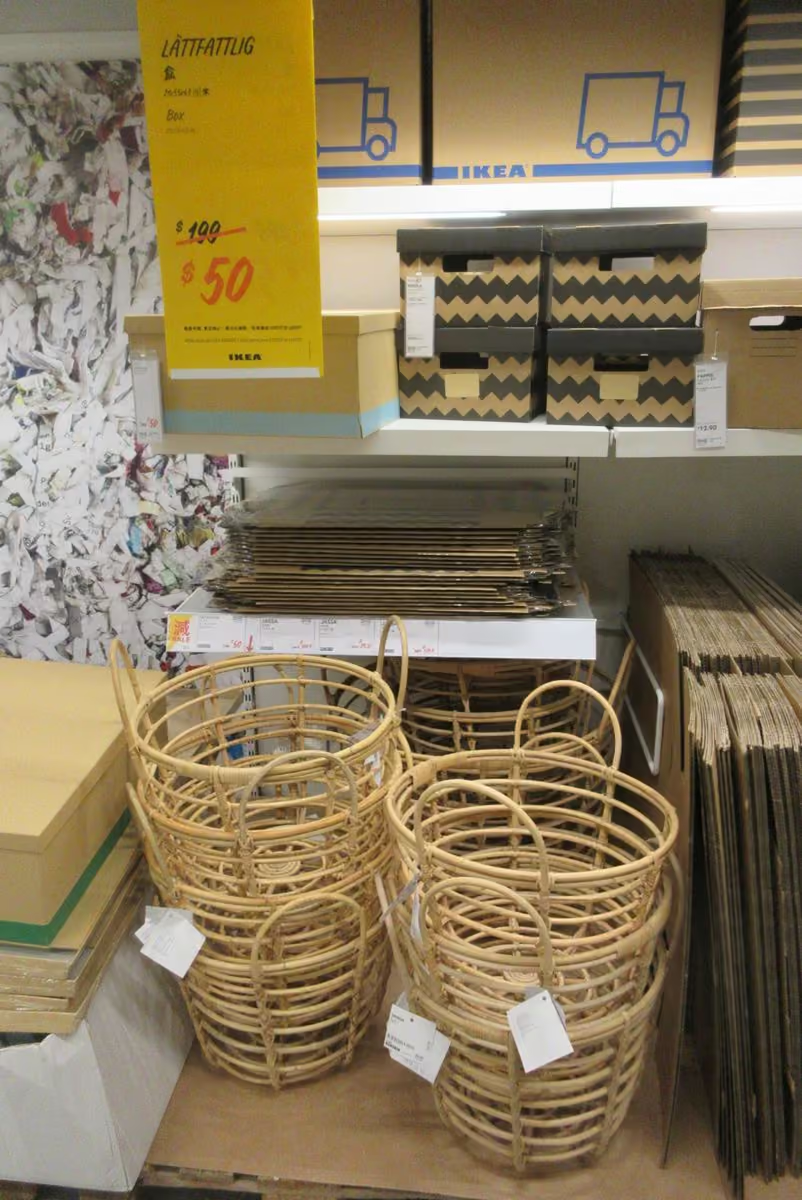
Provide for drying, folding and returning clothing as well as the machine.
These articles belong to this guide’s primary reading route. Choose the problem you actually have; related articles address different decisions.