The decision, with conditions
- Choose this route when
- Choose related different pieces when they fit each person's real inventory and occupied reach, with independent useful light and drawers that open without compromising the night route.
- Use the alternative when
- Use one narrow table and one storage unit, or different lamp proportions linked through a shared detail, when the room's two sides have unequal space or needs.
- Stop or change the plan when
- Stop buying the pair when one side can only work by removing necessary items, trapping cables, or expecting a sleeper to lean awkwardly for ordinary access.
Compare the practical options
| Difference between bed sides | Furniture response | Connection to keep |
|---|---|---|
| One person needs more stored items | A suitable cupboard or drawer instead of forced equality | Related color or timber value |
| One side has less floor area | A smaller but stable reachable surface | A clear night route rather than mirrored width |
| Different reading and bedtime routines | Independent appropriate lamp positions | Compatible light character, not necessarily identical fittings |
| An inherited piece is retained | Assess condition and finish before use | A deliberate shared proportion without disguising its age |
Related bedside pieces can serve different people
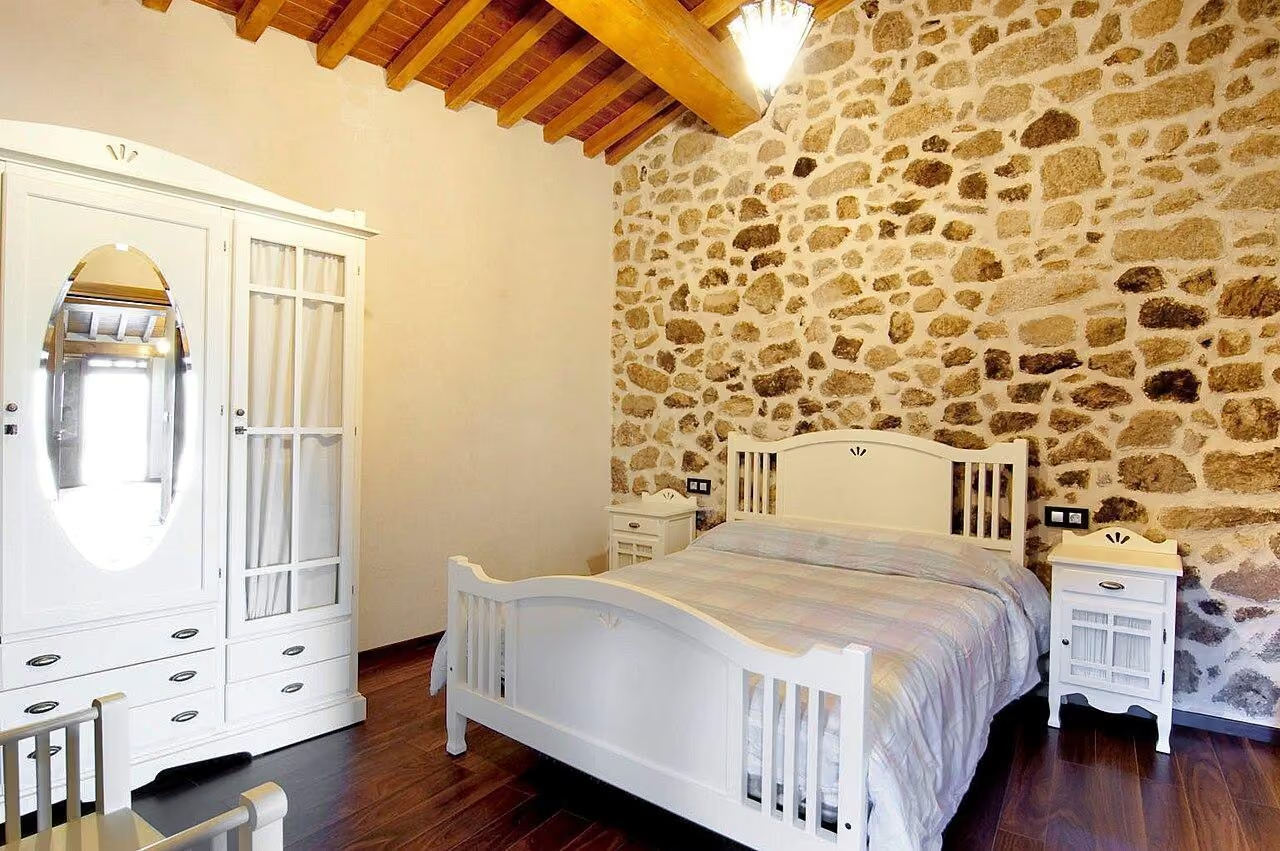
A traditional bedroom often begins with the idea of a matching bed and two identical bedside tables. That can create a calm, familiar composition, but it is not the only way to achieve one. Two sleepers may need different storage, surface area, or reach. A symmetrical image can conceal an unequal daily experience if one side works beautifully and the other is too small, too low, or awkward to open.
Measure each person's needs separately, then choose one clear relationship between the pieces. Coherence can come from color or proportion without identical drawers, widths, or lamps.
Inventory each side separately
List daily objects on each side and measure the stable surface they occupy. Include the lamp base and necessary equipment before judging whether the remaining area can hold a drink and book.
Also note how each person approaches the bed and opens storage. A wardrobe or door may make one side more constrained. Draw those conditions rather than treating the room as symmetrical when it is not. The appropriate solution might be a narrow cupboard on one side and a plain table on the other, provided both offer dependable use.
Establish comfortable reach from the bed
Test the proposed surfaces while lying and sitting in the normal positions. The finished mattress height and pillows affect reach. A surface that seems correct while standing may require an awkward lean from the bed. Use existing furniture or safe temporary representations to compare options before ordering.
Keep a stable place for a drink and necessary items. Avoid a narrow ledge that is visually elegant but precarious. If a drawer is needed, check whether it can open without hitting bedding, a chair, or the bed frame. The useful bedside relationship includes movement and hand access, not only the top's height beside the mattress.
Connect the pieces through one clear relationship
Two different forms can belong together through a similar timber value, a related painted color, or a shared level at the top. They need not match in every detail. Choose one or two relationships and allow the remaining differences to serve function. Trying to make unrelated pieces almost identical can create more tension than an acknowledged variation.
The bed can provide the main familiar profile, leaving the bedside pieces simpler. A traditional room does not require every item to repeat the same molding or leg shape. The result may feel more personal when an inherited table sits beside a newer cupboard, provided their scale and use are considered. Coherence can be a conversation between pieces rather than a purchase from one range.
Let lamps relate without forcing identical placement
Matching lamps can help connect different bedside furniture, but their light and controls must still work for each sleeper. Test reading direction and glare. A taller table may need a different lamp proportion from a lower one. The fixture should not be chosen solely to make the two sides equal in a doorway photograph.
If lamps differ, repeat a shade material, metal tone, or general light character. Keep each control reachable without crossing the bed. A shared ceiling light is not a substitute for independent reading. Plan outlets and cable paths before the final position is fixed, using appropriate electrical professionals for any installation changes.
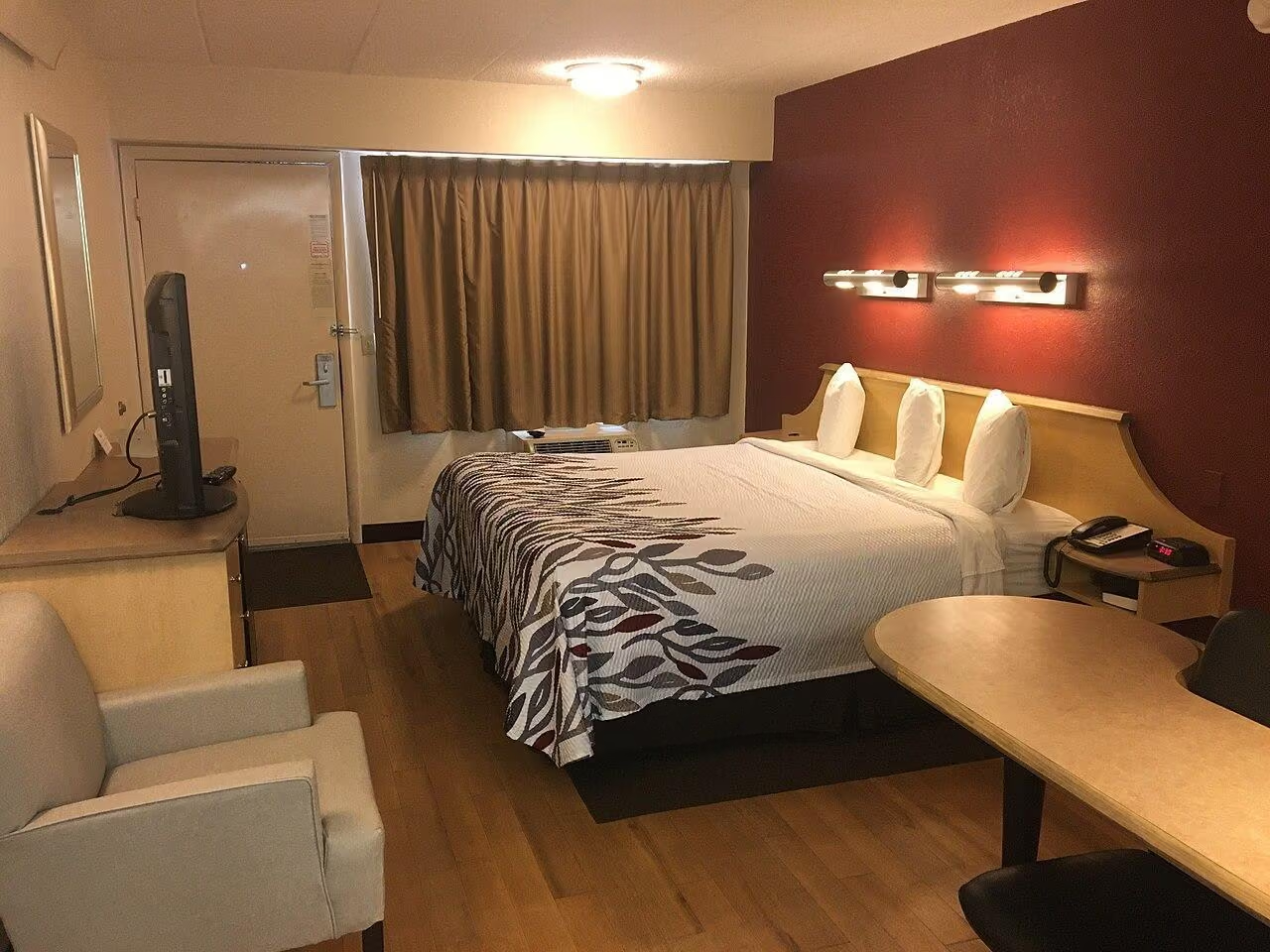
For a precise pillow-position control test, use A contemporary headboard wall with readable bedside controls.
Keep the night route clear
Bedside furniture should not reduce the route needed for getting up, dressing, or reaching the window. Test the full outer dimensions, including handles and projecting tops. A rounded corner can soften contact but does not make an oversized unit suitable. The person on the constrained side deserves a workable approach, not the leftover space after symmetry is achieved.
Consider the room in low light with an appropriate safe trial. Edges should remain legible and objects should not fall into the route. A rug may offer softness underfoot, but it should not curl or catch at a busy turn. Follow the relevant product guidance and compare the rug's practical effect with leaving the floor clear.
Choose storage that supports the reset
Drawers can conceal small items, but they should have a sensible internal organization. A large deep drawer may turn into a mixed collection that is difficult to search. A removable tray or a small divider can help without requiring an elaborate fitted system. Leave space for the objects that are actually in use rather than filling every compartment immediately.
If one person prefers visible reminders, a small defined tray may work better than insisting everything be hidden. The shared agreement should be a clear usable surface, not a demand that both people organize identically. A bedroom gains calm when different routines can end comfortably within a coherent room.
If the storage reset also reflects different bedtime schedules, compare A Shared Bedroom with Different Bedtime Schedules.
Inspect condition and finish before mixing older furniture
An inherited or secondhand bedside piece may bring personal character, but inspect joints, drawers, and coatings. A sticking drawer or unstable leg should be repaired appropriately before daily use. Seek competent advice when the construction or finish is uncertain. New paint should not conceal unresolved damage.
Ask how the top handles water, heat from a lamp, and routine cleaning. Protection may be needed depending on the finish. Keep that protection convenient rather than relying on perfect caution at night. A personal object should remain a pleasure to use, and its care requirements should be understood before it becomes the main landing surface beside the bed.
Review the composition after the practical test
Once both sides work, step back and consider the whole wall. Adjust a textile, lamp shade, or small color relationship if needed. Do not undo a useful difference simply because the room is not perfectly mirrored. A balanced traditional bedroom can show that two people live there with distinct habits.
In a fictional night, each sleeper reaches a familiar surface and switches off their own lamp without disturbing the other. The bedside pieces differ, but the room feels settled. Confirm separate inventories, reach, opening space, visual connection, lamp function, night circulation, finish care, and repair. The best matching relationship is not necessarily between two tables; it is between each person and the furniture they use.
Check, record, then decide.
A proposed worksheet for your own observations. Use consistent units for dimensions and keep the conditions with each record.
Two separate inventories
Where to check On each sleeper's existing bedside surface with the normal night and morning objects present.
- Record
- List daily and occasional items separately; measure the space needed for a stable drink, book, equipment, and lamp in centimeters.
- Read the result
- Different inventories justify different furniture requirements, not a conclusion that one person should simply keep fewer necessary items.
- If it does not work
- Choose independently useful surfaces or storage rather than forcing both sides into the smaller matching unit.
Reach and opening envelope
Where to check From each actual pillow position with the intended mattress height, bedding, wardrobe, and bedside drawer represented.
- Record
- Note comfortable access, doors or drawers that collide, projecting handles, and the narrowest approach in centimeters on each side.
- Read the result
- An equal top height is only one relationship; it does not establish equal access or an appropriate night route.
- If it does not work
- Change the constrained side's shape or opening method while connecting the pieces through color or material instead.
Related light and finish
Where to check At both occupied bedside positions with the proposed lamps and retained or older furniture.
- Record
- Record reading direction, switch reach, direct glare, and each top's actual care instructions; identify uncertain finishes before treating them.
- Read the result
- Identical lamps can work differently on different tables, and a visual timber match does not establish identical maintenance.
- If it does not work
- Use related but different fittings or obtain condition-based finish advice rather than duplicating an unsuitable bedside arrangement.
A practical trial
- Test the drink and book position after placing the real lamp base.
- Open both bedside storage pieces while the bed remains normally made.
- Review the whole wall only after each side passes its individual use trial.
Compare the same scope
- Each sleeper's inventory and occupied reach
- Different forms linked through one visual relationship
- Lighting, finish care, condition, and replacement options
Cost drivers to discuss: Restoration of one retained bedside piece; Independent outlets or reading-light changes; Custom narrow storage on a constrained side.
Choose another route when: A matching bedside set is unsuitable when one unit's capacity or footprint makes an occupant's necessary objects, reach, or night movement persistently awkward.
The download is a blank record template. Your completed notes remain wherever you choose to keep them; this page has no measurement-submission service.
Sources for this guide
Each reference’s supported point and limits appear beside the relevant passage above. Product documentation applies to the named product, rather than every similar item or the photographed room.
Source text checked November 4, 2026. Specifications can change; confirm the current instructions for the exact item before ordering.
Your questions, considered.
Must bedside tables be the same size?
No. Each should support its sleeper's inventory, reach, and circulation. One clear relationship can connect different forms without forcing identical storage.
How should I test a bedside table's height?
Try reach while lying and sitting with the normal mattress and pillows, then check drinks, books, lamp, drawers, and the route around it.
Should different bedside tables have matching lamps?
They can, but each light must work from its occupied position. Related shades or light character can also connect different fittings when identical lamps create poor reach or glare.
About this guide: written with AI assistance for TIANLICHUJU. These are general design ideas, not a measured survey or a completed client project. Any domestic vignette is fictional. Confirm product specifications, site dimensions and local requirements before construction; use qualified professionals for regulated work. Read our editorial approach or suggest a correction.