A Studio Apartment with Two Distinct Evening Zones
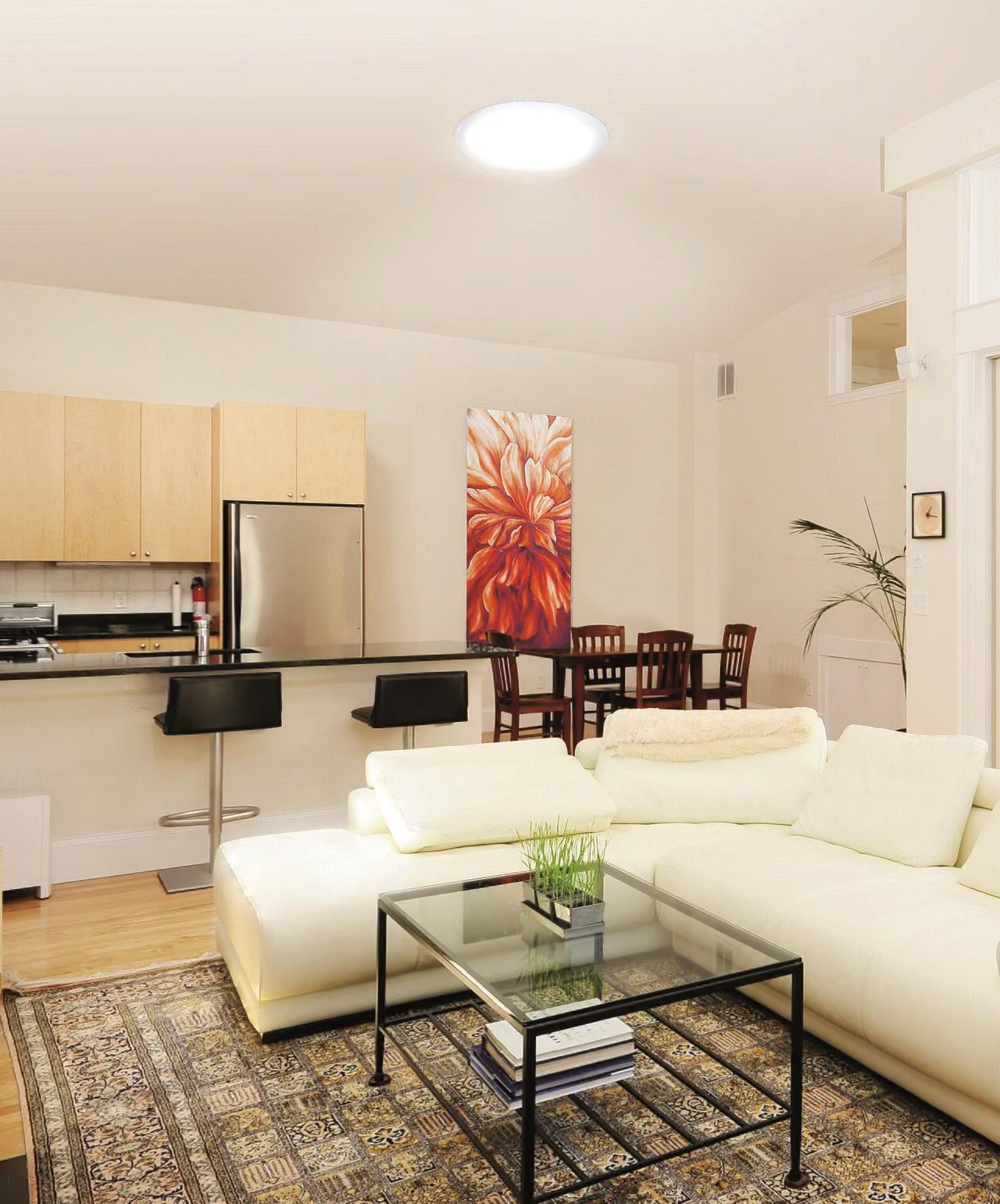
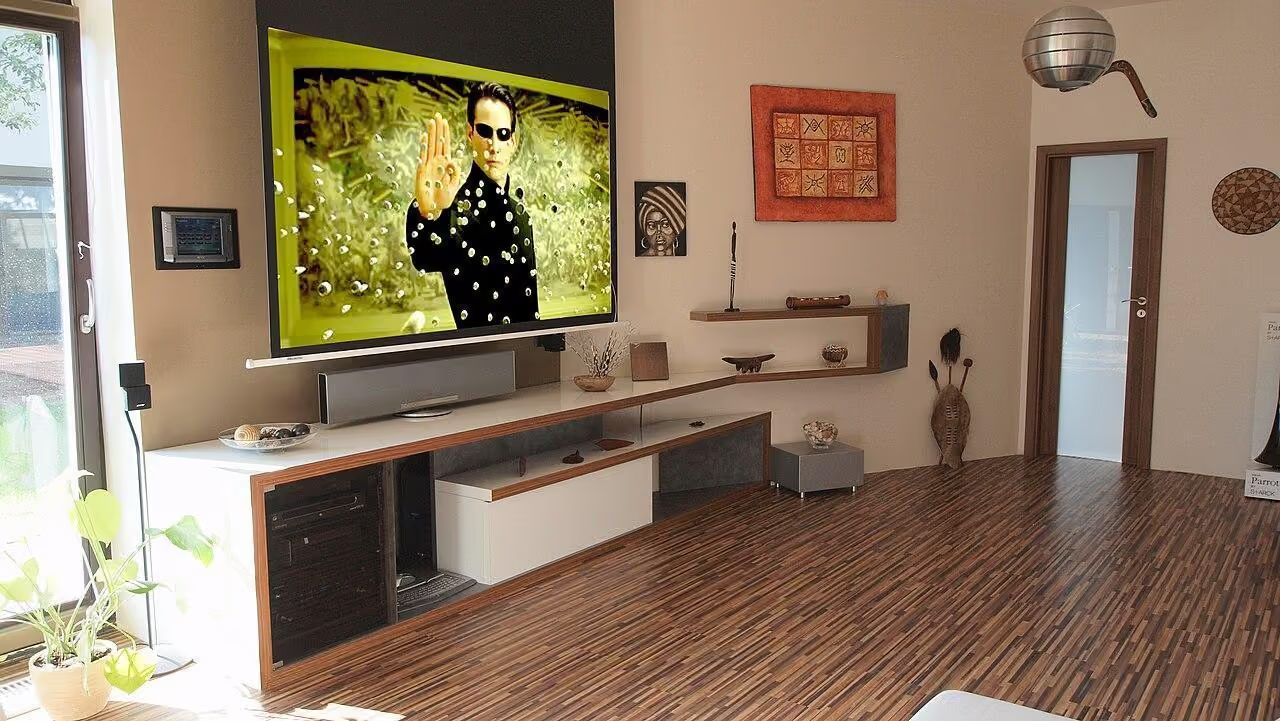
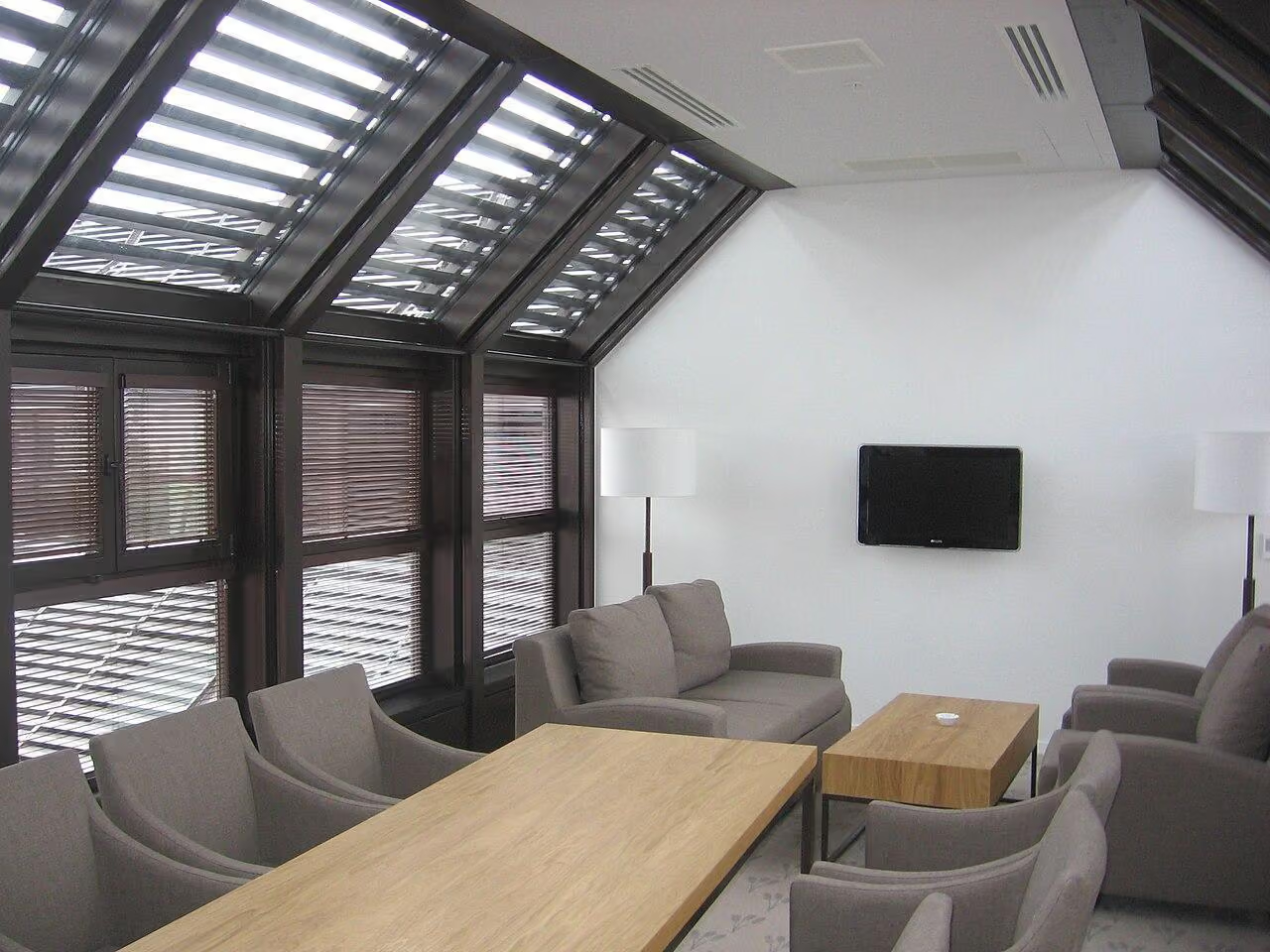
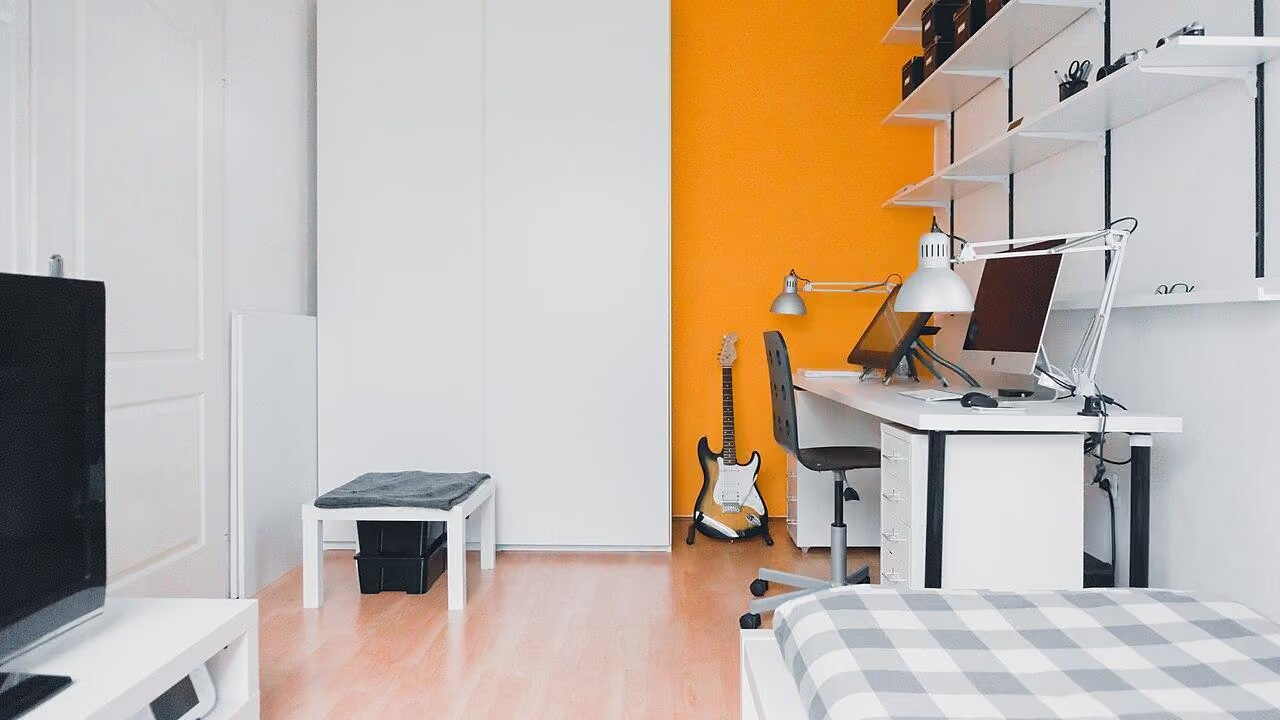
Separate sleep and sitting in a studio with daylight-aware dividers, clear walking routes, independent lighting and a realistic evening trial.
DESIGN NOTES · 0811,804 words
Practical small spaces design guides with considered ideas, honest tradeoffs and real interior photography.
Draw both the closed furniture and its occupied or expanded state. Decide which activities happen together and which can share space through a realistic clearing routine.
Separate sleep and sitting in a studio with daylight-aware dividers, clear walking routes, independent lighting and a realistic evening trial.
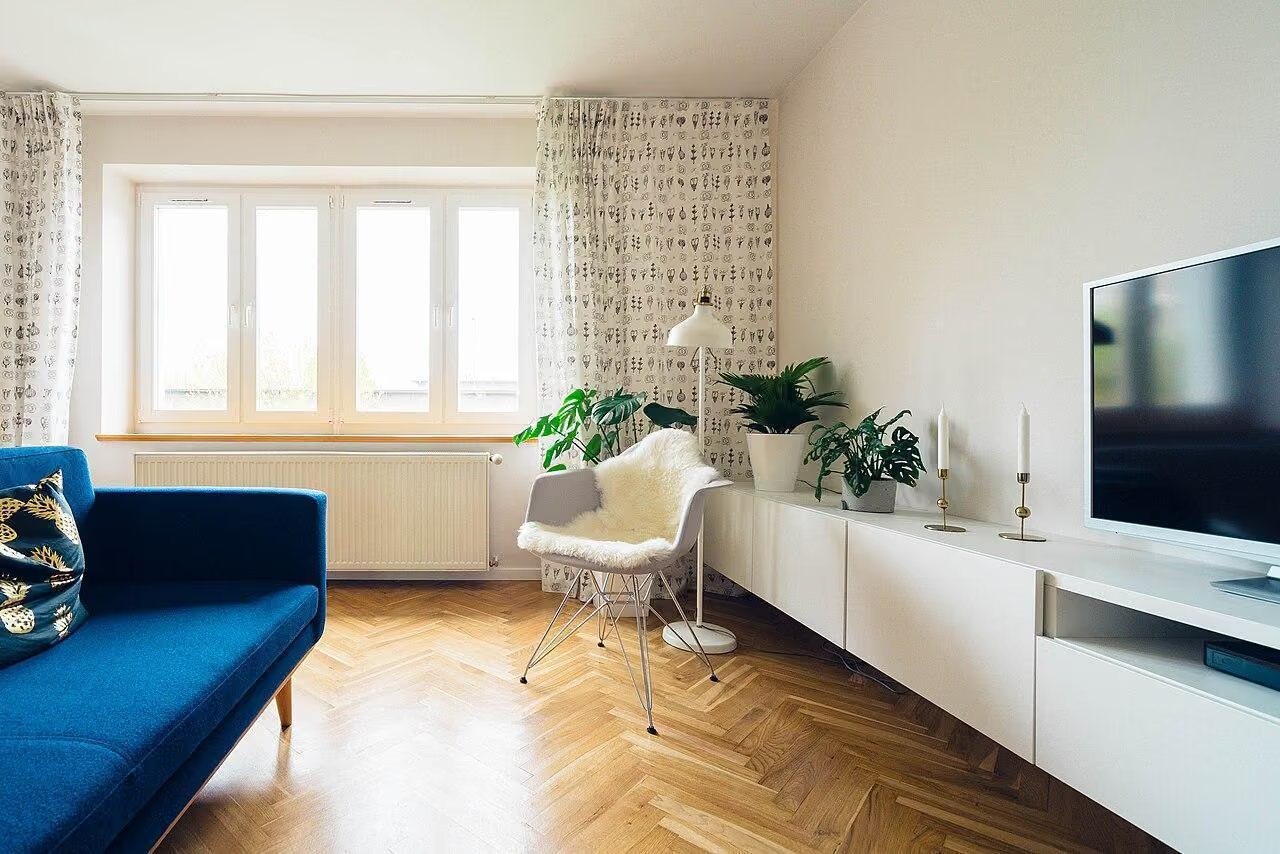
Plan a narrow living room around occupied furniture depths, an edge circulation route and comfortable conversation before replacing the sofa.
Test a window recess for real sitting comfort, daylight, heating and window operation before choosing a fitted bench or under-seat storage.
Create a hallway library by checking book depth, occupied passage space, door swings, shelf strength and safe retrieval before fitting shelves.
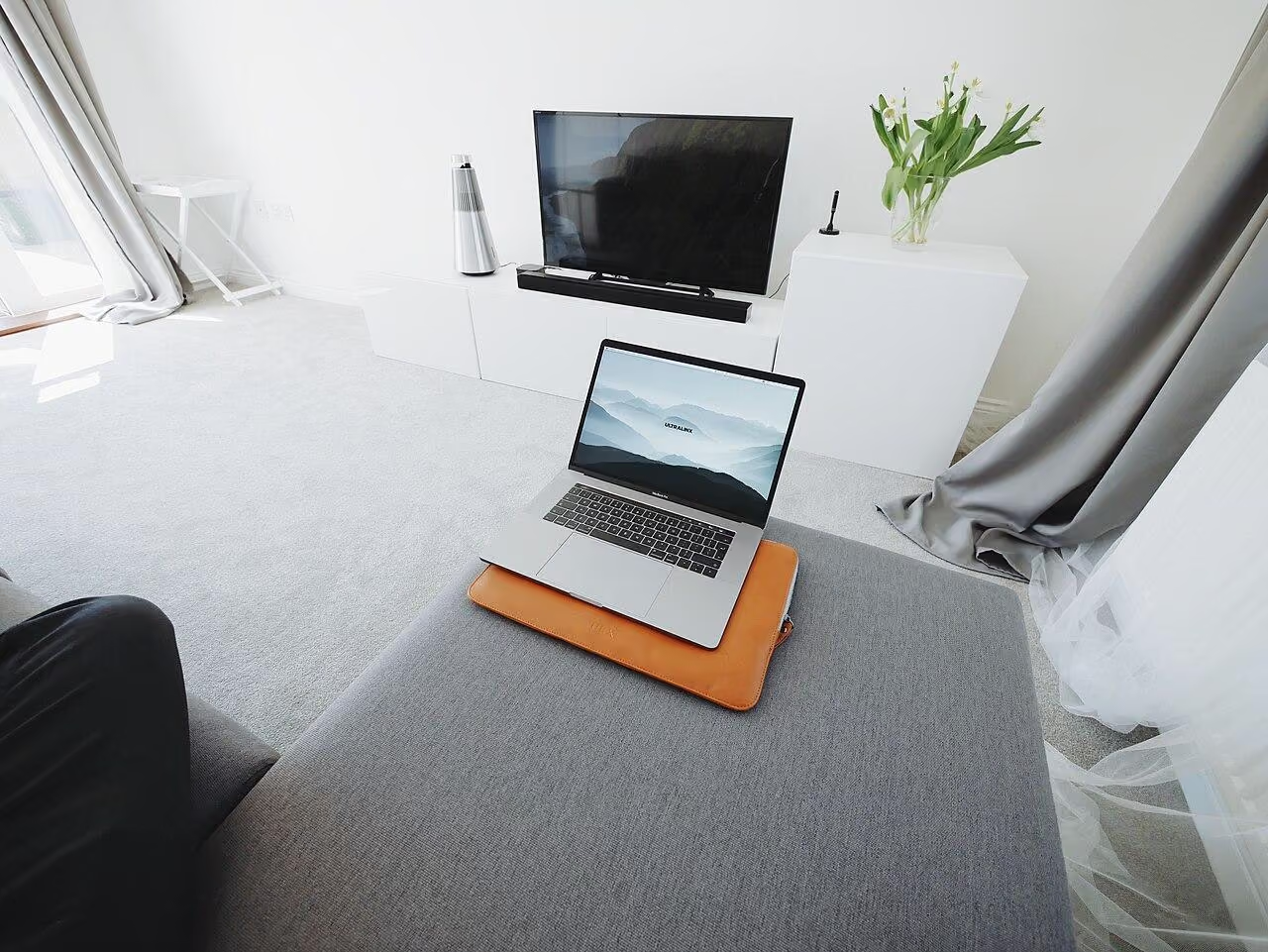
Choose a concealed living-room desk by testing its open worktop, chair position, equipment access, ventilation, task light and evening pack-away.
Make a portable arrival station for a door opening into the living room, with clear door swing, stable storage and separate wet-item handling.
Assess a hallway with doors open and belongings in use, then improve circulation, destination visibility, lighting and storage without adding obstacles.
Integrate a cat window perch by observing the animal's route, specifying suitable support and preserving safe windows, curtains and human circulation.
Plan wet-weather arrivals with a clear door zone, stable washable mat, reachable towels and separate drying and clean-equipment storage.
Create an apartment making corner by defining the process, testing a suitable worktop and storing active projects separately from reserve supplies.
Plan a compact gallery wall with real frame templates, a clear composition, appropriate hanging and light that respects the displayed works.
Choose furniture for several homes, not one exact layout. Compare transport, reassembly, adaptable storage and useful roles, then keep a clear furniture record.