The decision, with conditions
- Choose this route when
- Choose the revised layout when the later arrival can put away belongings, change and reach their own light without repeated trips beside the sleeper.
- Use the alternative when
- If storage cannot move, simplify the arrival kit and move suitable preparation tasks outside the bedroom rather than expecting a single dim lamp to solve every conflict.
- Stop or change the plan when
- Stop describing the room as resolved if routine drawers, switches or paths still require disturbing the other person. Persistent sleep difficulty needs appropriate help beyond a decorative rearrangement.
Compare the practical options
| Source of disturbance | Targeted adjustment | Limit to recognize |
|---|---|---|
| Late unpacking and charging | Use a landing position outside the immediate bed zone | Do not transfer disturbance into another sleeper's space |
| Reading beside a sleeping partner | Test a reachable adjustable local light | The page must be visible without exposing the other pillow |
| Wardrobe use after bedtime | Improve local storage light and prepare clothing earlier | A bright wardrobe facing the bed may remain disruptive |
| Calls or substantial activity | Move the activity or agree a different time | Textiles cannot guarantee silence in a shared room |
The problem is a sequence of actions, not a lack of matching lamps
Write down the later sleeper’s actions in order before buying separate lamps. The disturbance may come from clothing storage, return trips or a bag placed beside the bed rather than the reading light alone. A small relocation that shortens the sequence can be more useful than replacing furniture that is not causing the conflict.
Describe each routine from the bedroom door to sleep. Include charging, changing clothes, finding medication where applicable, setting out tomorrow’s belongings and reading. Decide which actions genuinely need to happen inside the sleeping room. A landing tray outside, a bag stored near the entrance or clothes selected earlier can remove disturbance more effectively than expensive furniture. The aim is not to impose identical schedules. It is to let both residents use the room with a reasonable degree of independence.
Keep the active route near the entrance where possible
List everything the later arrival normally touches: bag, wardrobe, laundry, water and bedside light. Group appropriate active tasks near the entrance where the plan allows it, then walk the sequence with wardrobe doors and drawers open. Count return trips beside the bed rather than judging the tidy room. Moving one frequently needed category may help more than replacing every cabinet. Keep the path to the bed clear throughout the trial; the person should not have to navigate clothing or furniture in darkness.
Do not move the entire plan solely to hide the bed from the door. Both used sides of the bed need a credible approach, and the route out should remain easy to understand. A bench at the foot may be attractive but unnecessary if it creates an obstacle in low light. Test the room after dark at the level of illumination normally used by the late arrival. The plan should work when someone is tired, carrying belongings and trying not to make noise, not only when walking carefully through an empty room.
Give each reader control over their own light
A reading lamp should illuminate the page without sending an exposed bright source toward the other pillow. An adjustable fitting can help, but its range and placement need to be tested by the actual user. A lamp behind the head may create a shadow; a lamp too far away may encourage a brighter setting that disturbs the partner. Try the reading position with the normal book or device rather than choosing the fitting from its appearance alone.
Keep controls reachable from the used position. Each person should be able to switch off their local light without crossing the bed or reaching over the other resident. General lighting still needs a sensible control arrangement for entering and dressing. If wiring changes are proposed, use a qualified electrician and resolve the switching before decorative installation. Plug-in lights can be a useful alternative where safely located, but cords must avoid walking routes and moving furniture. The room’s technology should reduce negotiation rather than add another shared control problem.
Independent light is most helpful when its glare and controls suit the actual person using it. A Bedroom with Sensory Quiet and Real Personality.
Make storage quiet and predictable
Look at the objects handled during the mismatched part of the day. Keys, watches and jewelry can create noise when dropped onto a hard bedside surface. A suitable soft-lined tray may help, provided it remains easy to clean and does not become a pile of unrelated objects. Drawer hardware should work smoothly. Soft-close mechanisms can be useful, but good adjustment and a sensible routine matter as much as the label on the fitting.
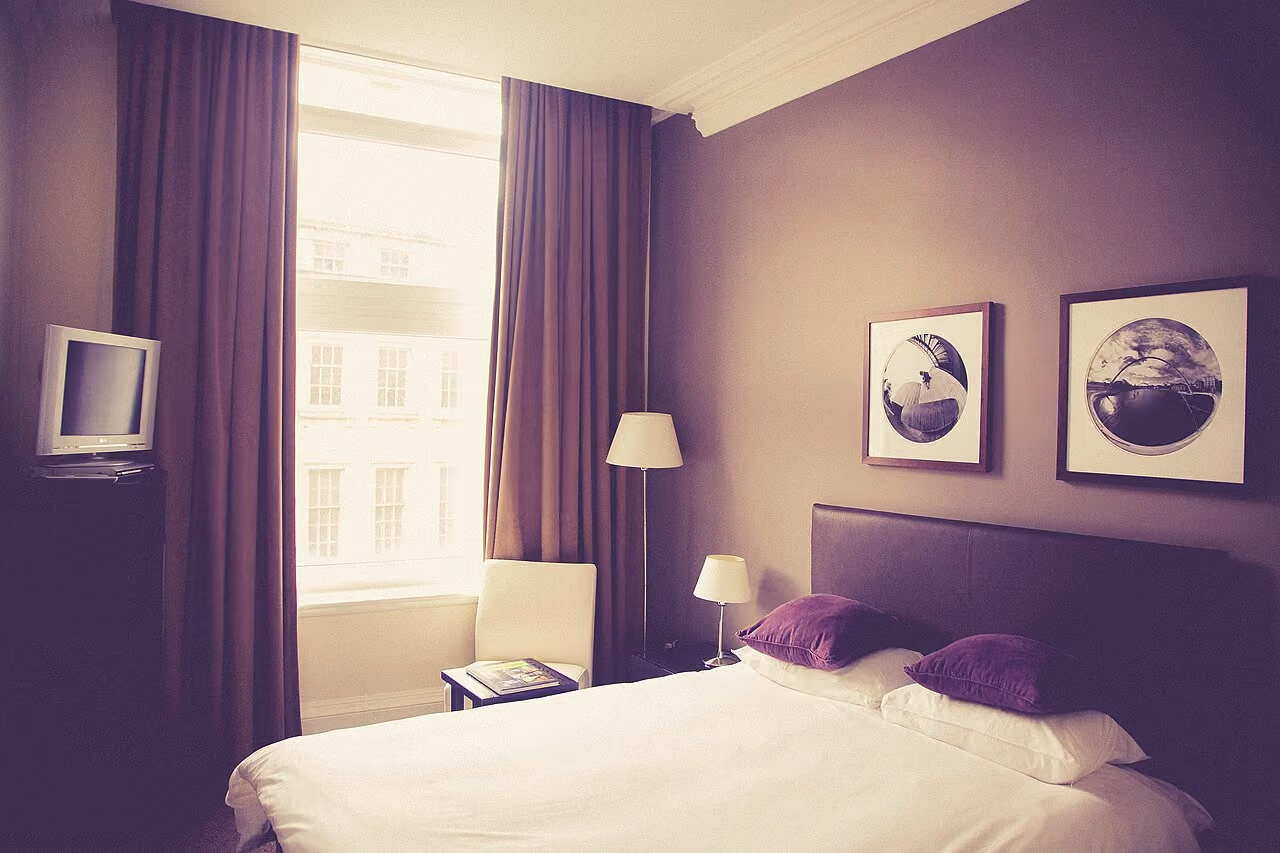
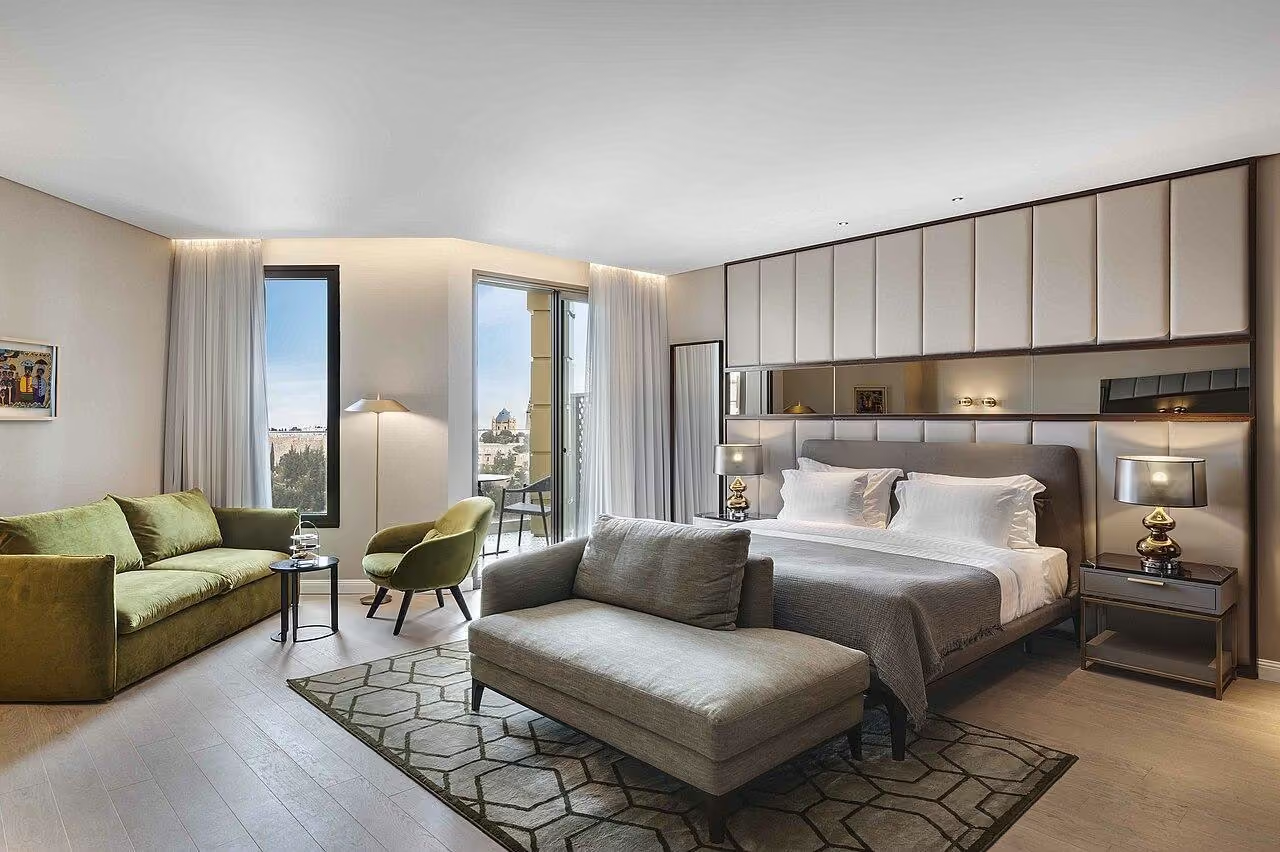
Give each resident a defined storage area for daily essentials. This is practical independence rather than a requirement for perfectly symmetrical furniture. One person may need a larger drawer, while another needs a shelf for books. The two sides can relate through color, material or height without being identical. A dusty rose textile, warm putty walls and dark timber can make varied bedside pieces feel coherent. Avoid buying a matching set that gives both people an unsuitable arrangement simply because it looks balanced from the doorway.
Consider sound and light together
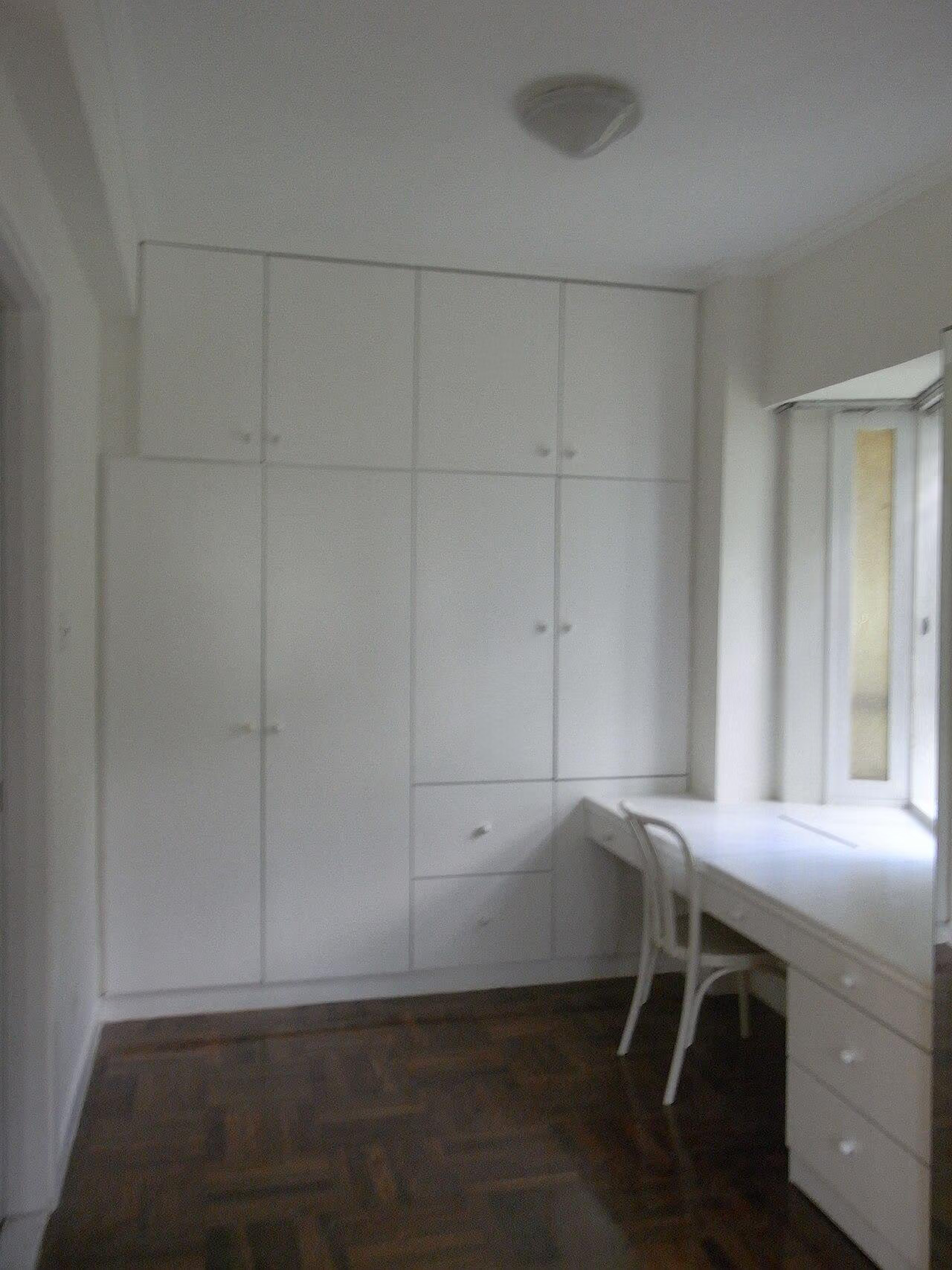
A bright wardrobe light facing the bed can undo careful bedside lighting. Check whether the storage can be lit locally without exposing the other pillow. Clothing selected in advance may reduce both light use and drawer noise. Window treatment also deserves attention if one person sleeps later, though the household must still maintain suitable ventilation and comfort. The right solution depends on the room and the actual sleep times rather than a universal preference for maximum darkness.
Furniture and textiles can soften some everyday sounds, but they cannot guarantee silence. A shared room remains a shared acoustic space. If one person needs calls, music or substantial activity during the other’s sleep, that activity may require another location. It is more honest to acknowledge this than to promise that a rug or upholstered headboard will create privacy. The design should support a household agreement, not pretend to replace one. Discuss which compromises are acceptable before money is spent on a visual transformation.
When the differing schedule includes daytime sleep, the bedroom needs a separate daylight-hour assessment. A Bedroom for a Shift Worker Who Sleeps in Daylight.
Rehearse the later arrival and the earlier departure
For several nights, try moving nonessential preparation outside the sleeping zone and using independent local lights. Observe where the routine still breaks down. Is the late reader comfortable? Can the early riser find clothing without opening several drawers? Does the charging position require a cable across the route? Record those specific problems and invest where they occur. New lamps and adjusted storage may be enough; moving wardrobes or rewiring controls should follow a tested need. Compare the practical benefit of each purchase rather than assigning equal budgets to matching sides. Different routines may justify different fittings without making the room feel unfair or visually incoherent.
This approach is unsuitable when the required activities cannot coexist with the other person’s sleep in the available space. No decorative scheme should promise otherwise. Before finalizing the room, check each person’s route, light control, reachable surface and storage operation. Include maintenance: lamp adjustments, cable condition and drawer hardware should remain accessible. In a clearly imagined scene, one person leaves a gentle lamp on for a partner returning late, then both can settle without rearranging the room. The romance is not forced togetherness. It is the care expressed by making different routines easier to share.
Check, record, then decide.
A proposed worksheet for your own observations. Use consistent units for dimensions and keep the conditions with each record.
Late-arrival sequence
Where to check From the bedroom entrance through changing, charging and the approach to bed.
- Record
- List each action and object handled, the doors opened and every crossing beside the sleeping partner; identify actions that can occur elsewhere.
- Read the result
- Repeated activity may cause more disturbance than the absence of matching lamps or symmetrical bedside furniture.
- If it does not work
- Relocate the landing tray or prepare clothing earlier without transferring disruption to another sleeping space.
Reading-light exposure
Where to check At both pillows with the reader in the normal posture.
- Record
- Record fitting position, page shadows, switch reach and visible bright sources from the other pillow; note settings actually chosen by each person.
- Read the result
- Independent control helps only when useful reading light does not require an unnecessarily exposed source facing the partner.
- If it does not work
- Change lamp position or fitting and retest before altering the whole room.
Quiet storage operation
Where to check At wardrobes, bedside drawers and hard landing surfaces used during mismatched hours.
- Record
- Note specific noises, bright wardrobe views, cable crossings and awkward reach; distinguish the furniture action from the sound of the activity itself.
- Read the result
- Hardware and layout can reduce some friction, but they cannot guarantee silence in a shared bedroom.
- If it does not work
- Move substantial activity out of the room or agree timing where furniture changes cannot resolve it.
A practical trial
- Trial several nights with late essentials near the entrance and record which interruptions remain.
- Check the earlier departure in low practical light with wardrobe doors and drawers actually open.
- Give each resident a useful reachable surface and storage arrangement, even when the two sides are not identical.
Compare the same scope
- Independent local lights and adjusted storage routines
- Relocated active storage near the entrance
- More extensive switching or wardrobe alterations after a trial
Cost drivers to discuss: Suitable light fittings and reachable physical controls; Quiet usable hardware and individual storage needs; Qualified electrical work or moving large fitted furniture.
Choose another route when: The shared arrangement cannot be solved by decoration when required calls, music or activity remain incompatible with the other person's sleep.
The download is a blank record template. Your completed notes remain wherever you choose to keep them; this page has no measurement-submission service.
Sources for this guide
Each reference’s supported point and limits appear beside the relevant passage above. Product documentation applies to the named product, rather than every similar item or the photographed room.
Source text checked November 4, 2026. Specifications can change; confirm the current instructions for the exact item before ordering.
Your questions, considered.
Do matching bedside lamps solve different bedtimes?
Not on their own. Test the full routine, including clothing, bags, keys and charging. Independent light control helps most when the layout also reduces repeated movement and bright storage activity.
Should both sides of the bed have identical storage?
They need credible, reachable arrangements rather than identical pieces. One person may need more book space and another a drawer. Relate the pieces visually while fitting their actual routines.
Can a rug stop one person's activity disturbing the other?
A rug may soften some sound within the room but cannot guarantee isolation. If calls, music or significant activity conflict with sleep, another location or household agreement is needed.
About this guide: written with AI assistance for TIANLICHUJU. These are general design ideas, not a measured survey or a completed client project. Any domestic vignette is fictional. Confirm product specifications, site dimensions and local requirements before construction; use qualified professionals for regulated work. Read our editorial approach or suggest a correction.