
Nighttime light gaps
A bright bedroom that also becomes dark enough at night
Diagnose unwanted light and separate the decorative curtain from the light-control layer.
Diagnose light gaps, compare the jobs of curtains and blinds, and plan bedroom privacy around real sleeping and waking routines.
Start by naming the unwanted light and the time it becomes a problem. Daylight, a streetlight, a visible screen and another person’s reading lamp require different responses. A pale, airy bedroom can still have effective nighttime light control when those jobs are planned separately.
Look from the position in which the light is bothersome: the pillow, a seated dressing position or the route from the door. Record whether light travels through a textile, around its edges, between panels or from a different source altogether. A daytime photograph cannot establish nighttime performance.
Use a safe, reversible observation to test the main source before ordering. The aim is to understand the light path, not to improvise a permanent window covering. Keep required escape, ventilation, heat sources and the window’s operation available. Product safety and installation instructions remain part of the choice.
An outer curtain can add texture and soften the room without being the sole light-control device. A separate blind, lining or other suitable treatment may address unwanted light. Compare the whole installed system, including gaps, stack space, handles and cleaning access, rather than comparing fabric names alone.
Privacy also changes between day and night. A textile that looks opaque against a bright window can reveal silhouettes when the room is lit from inside. Inspect a meaningful sample in both conditions. There is no useful universal promise that one pale fabric will satisfy every room, light source and household.
A shift worker needs a different brief from someone who wakes with daylight. Two people sharing a room may need separate reading sources and an agreed way to open the window layers. Motorisation can be convenient, but the controls, power and manual fallback should be understood before committing.
For homes with children, use the current product-safety guidance for window coverings and the actual installation. In the United States, CPSC advises cordless options where children may be present. Treat that as a safety decision, not a decorative detail, and check the requirements relevant to your location.
If light enters around an installed treatment, investigate coverage and operation before choosing another fabric.
Bedroom Curtain Light Gaps: Plan Two Working LayersIf the main sleeping period is during daylight, add household activity and daytime operating conditions to the brief.
Shift-Worker Bedroom Design for Sleeping During DaylightIf one person needs light while the other rests, compare independent local controls rather than one compromise setting.
Shared Bedrooms for Couples with Different Sleep SchedulesOnce the required jobs are clear, compare the exact lining, fabric, stack space and removal instructions.
Linen Curtain Selection: Privacy, Lining, Hem and CareUse the conditions above to choose your route. Each linked article separates the proposed decision from its published references and its blank observation worksheet.
| What you notice | What to investigate | Which decision comes first |
|---|---|---|
| Bright edges around a closed treatment | Top, side and panel overlap gaps from the pillow position | Installed coverage before another fabric purchase |
| A room that feels exposed after dark | Backlighting and silhouettes with indoor lamps on | Nighttime privacy before daytime styling |
| Two different sleeping schedules | Which light or control interrupts the other person | Independent local control and a workable routine |
| A textile that is difficult to maintain | Exact care instructions and removal method | Care and replacement before a custom order |
Diagnose unwanted light and separate the decorative curtain from the light-control layer.

Plan a shift worker’s daylight, privacy and household-interruption requirements.
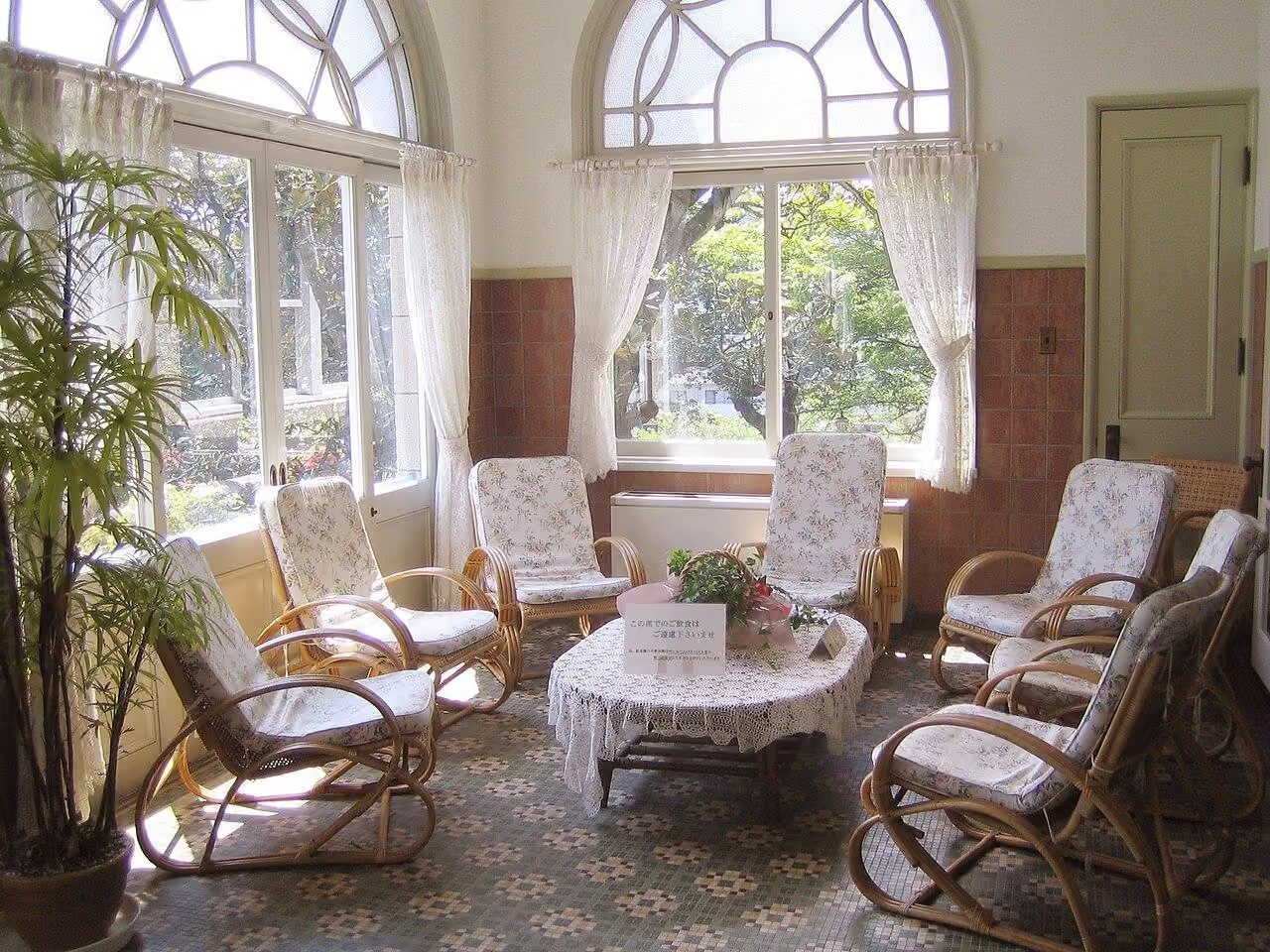
Compare fabric behaviour, cleaning and the installed treatment rather than a mood-board image.

Resolve shared controls and interruptions between two occupants.
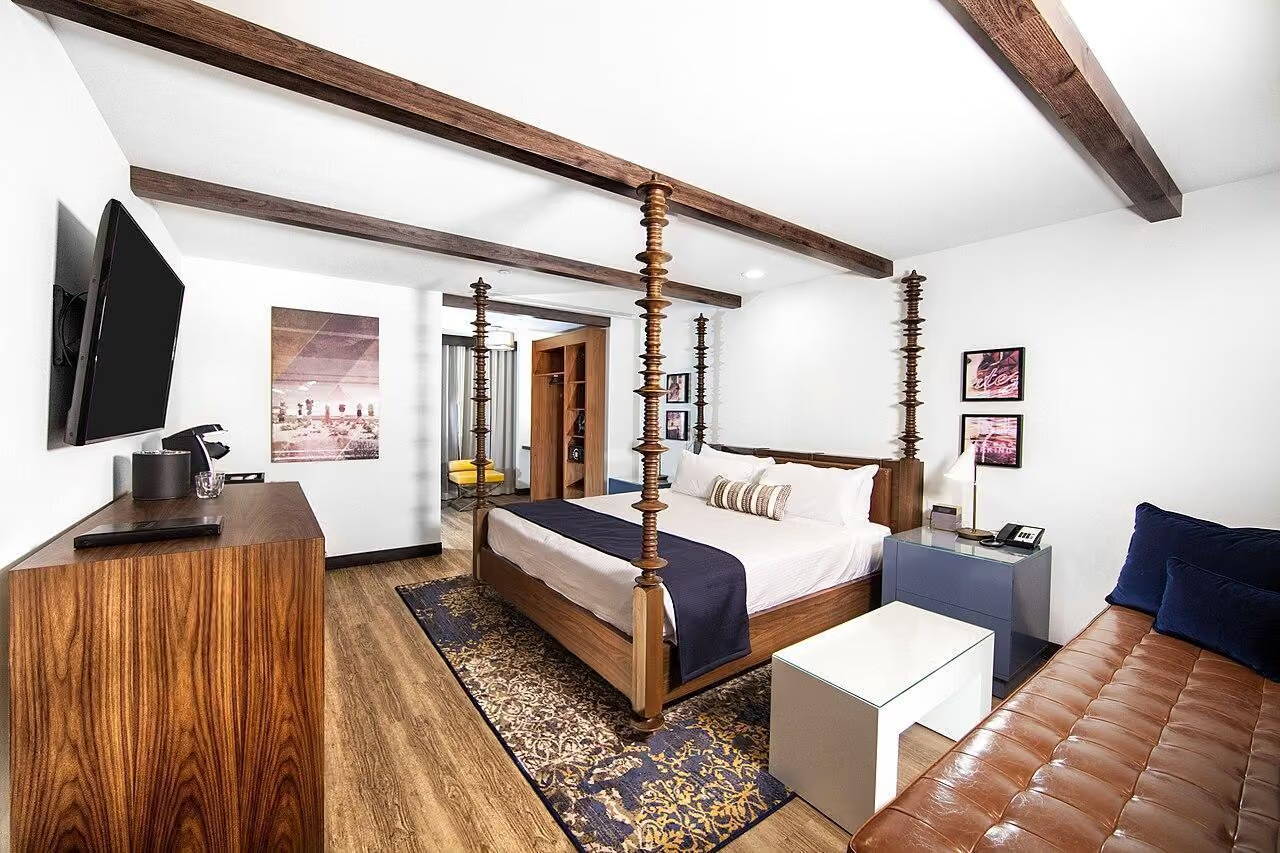
Give the bedroom an evening routine without depending on a television.

Keep useful devices and cables from taking over the resting space.
These articles belong to this guide’s primary reading route. Choose the problem you actually have; related articles address different decisions.