The decision, with conditions
- Choose this route when
- Choose a negotiated layout when the resident can study with the required equipment, keep suitable personal storage private and change ordinary expressive layers without replacing the whole room.
- Use the alternative when
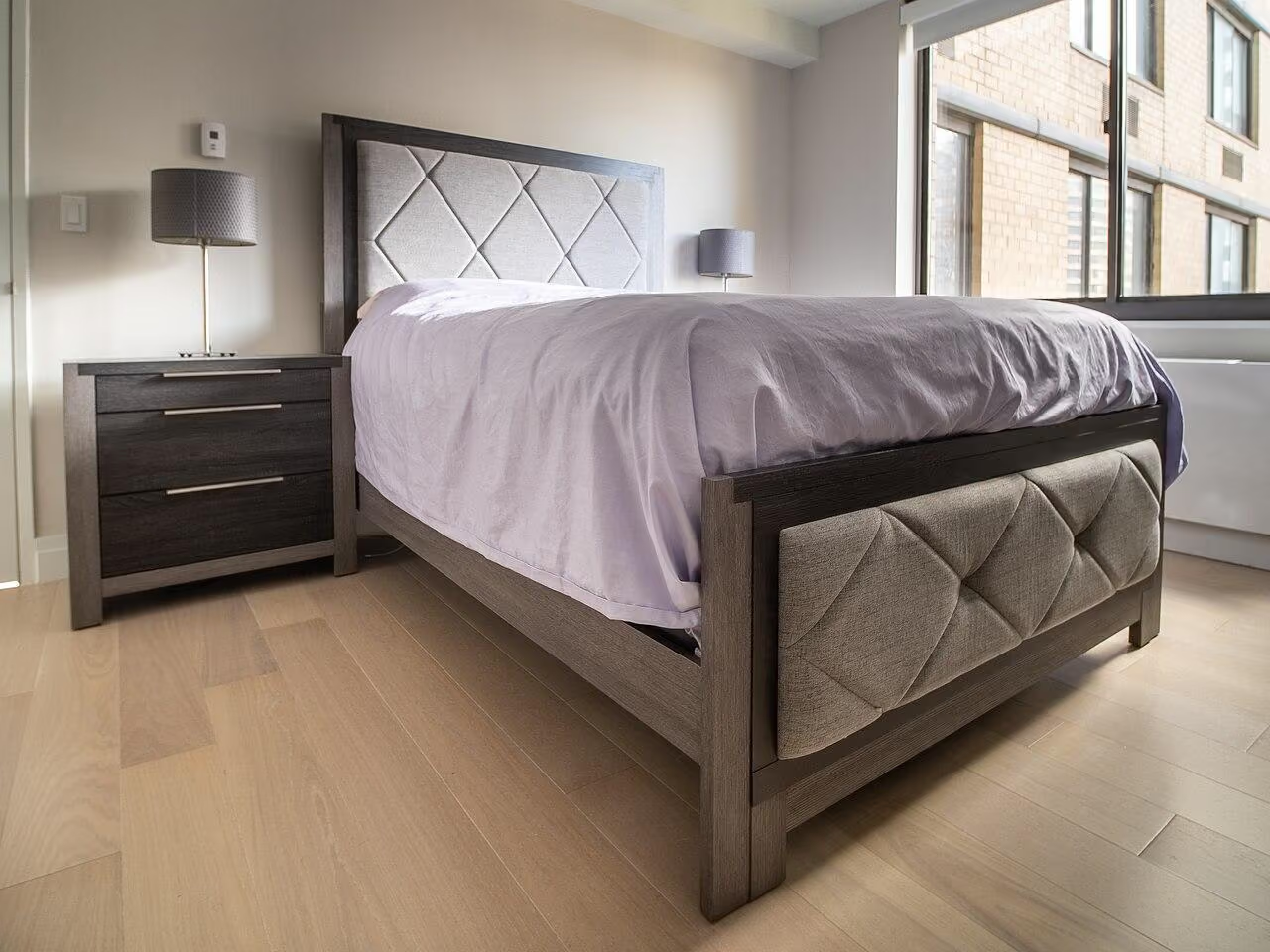
- If the matching bedroom desk is too shallow for real work, compare a separate suitable desk and simpler storage rather than prioritizing a coordinated furniture set.
- Stop or change the plan when
- Pause fitted orders when the resident’s routine has not been discussed or the proposed workstation produces discomfort. Privacy and independence should be practical agreements, not claims made by a styled photograph.
Compare the practical options
| Teen's use | Design response | Question to resolve together |
|---|---|---|
| Study and equipment | Usable desk, chair, light and power | Does the actual work fit without using the bed? |
| Private belongings | Defined closed storage | What should remain private and what should be visible? |
| Personal interests | Resident-chosen adaptable display area | Which objects matter even when they do not match? |
| Daily maintenance | Simple laundry and active-work destinations | Can the system be used during a busy week? |
Treat the bedroom as a real personal territory
Ask the teenager to describe a normal study day and an unstructured weekend before drawing the room. Privacy, charging, clothing and hobbies may reveal conflicts that a matching bedroom set cannot solve. Agree which decisions belong to the resident and which depend on budget or technical requirements, making personal ownership practical rather than merely decorative.
The most useful outcome is a room the teenager can operate and maintain with a reasonable degree of independence. That does not require accepting unsafe storage or ignoring shared-household needs. It means negotiating the brief honestly. A sophisticated palette imposed without consultation may be less successful than a simpler room with useful storage and a display area the resident actually chose. The room should acknowledge that this person’s preferences are developing, rather than freezing them into a decorative identity selected by someone else.
Separate study from sleep where the space allows
Lay out a real study task before choosing the desk: open book, active paper, device and the equipment actually used. Sit in the intended chair and check the approach, leg area, screen relationship and light from that position. Compare the matching furniture option with an independently selected desk using the same task. Take reported discomfort seriously rather than asking the resident to adapt to a coordinated set. Where individual ergonomic needs remain unresolved, seek appropriate guidance before fixing the arrangement permanently.
If possible, orient the desk so the bed is not its immediate working surface. This is less about a strict psychological rule than about keeping tasks legible: papers have somewhere to remain without displacing sleep. In a small room, overlap may be unavoidable. A folder or portable kit can then help the work pause cleanly. Do not force a second small surface into the room if it makes both positions uncomfortable. One genuinely useful desk is better than several symbolic zones.
If the bedroom cannot support study comfortably, a dining-table arrangement needs its own reset plan. A Homework Corner That Can Become a Dining Space Again.
Give privacy a practical form
Closed storage for personal belongings can be important even in a well-organized room. Decide what needs to be hidden, what should be accessible daily and what the resident enjoys displaying. A combination of drawers and a limited open area may work better than a wall of shelves that leaves everything visible. Privacy also involves the door and window treatment, which should function properly and suit the household’s arrangements.
Video calls or online study may influence the desk position. Check the actual camera frame for backlight, private information and the route used by other household members. A calm background can be useful without turning the bedroom into a professional set. Sound is a separate issue: furniture and textiles cannot guarantee privacy from the rest of the home. If simultaneous calls or music create conflict, discuss routines and suitable alternatives rather than promising that a decorative panel will isolate the room.
Camera framing can protect some visual privacy without pretending to isolate sound. A Video-Call Background That Still Belongs to Your Home.
Use color as a negotiated layer
Rose-gray, warm white and one deeper personal color can create a flexible framework, but the resident’s own preferences should determine whether that direction is appropriate. Large surfaces can remain relatively adaptable while bedding, artwork and selected objects carry stronger expression. This makes future changes possible without a complete refit. It also allows possessions that do not match the palette to remain meaningful parts of the room.
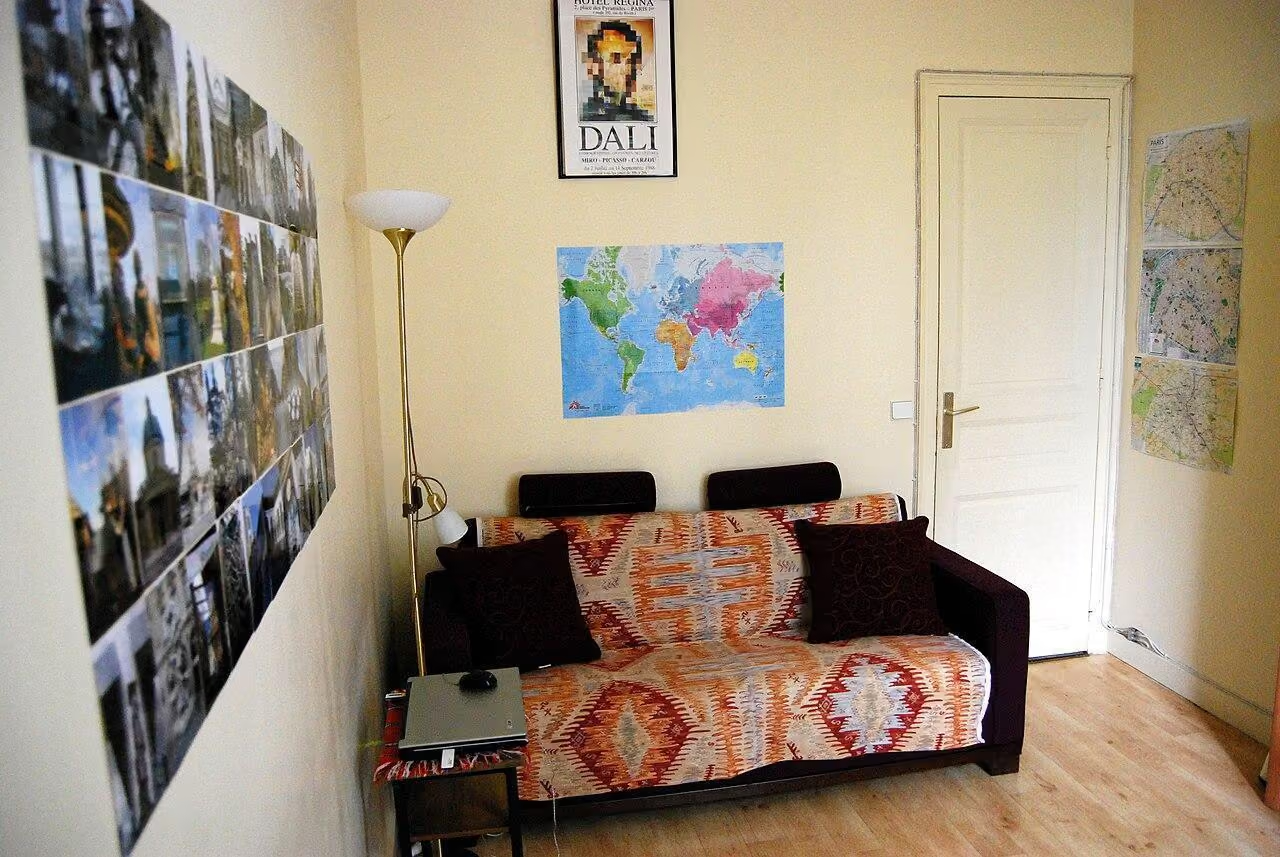
Avoid treating every visible object as clutter. A collection, hobby item or poster may be central to the room’s identity. The design task is to give it a credible place and prevent it from occupying the surfaces needed for sleep and study. A controlled display zone can be generous rather than restrictive if the teenager has real choice within it. Reversible hanging methods still need to suit the wall and permissions; heavier objects require appropriate fixing rather than a casual assumption that removable products can hold anything.
Plan charging and lighting without a cable tangle
Count the devices used and identify safe available power. Charging should not depend on cords crossing the route to the bed or being trapped by moving furniture. Follow equipment guidance and avoid concealing operating devices in unventilated storage. If new outlets are needed, have qualified electrical work planned before furniture is finalized. A room can look technologically tidy while remaining inconvenient if sockets end up hidden behind heavy cabinets.
Provide independent task and ambient light. The desk needs useful visibility; the evening room may need a gentler setting. Controls should be reachable from the intended positions and understandable without a complicated system. Decorative lighting can be included where suitable, but it should not replace adequate general light. Test reflections on screens and mirrors. The right light makes the activity easier rather than simply producing a colorful effect in the background of a photograph.
Make maintenance part of independence
Storage should be simple enough to use when busy. A laundry container near the place clothes are changed may work better than one chosen to balance the room visually. Drawers need to fit the actual contents, and the desk should have a place for active work rather than requiring every item to be filed perfectly. Review the plan with the teenager after a normal week. Ask what is awkward before assuming that an untidy result is solely a matter of effort.
Keep the next change affordable
Before committing to fitted work, ask what happens when the desk equipment, clothing or interests change. Adjustable shelves and simple replaceable fronts may be useful, but only if the adjustment can actually be made. Keep assembly information and spare fittings where they can be found. A reversible paint or textile change is often a better first step than replacing all the furniture. Agree on the budget and which decisions can wait, so the resident understands the tradeoff rather than receiving an unexplained final scheme.
Spend on the bed’s comfort, a usable work position and durable everyday storage before themed joinery. Interests and equipment can change quickly, so expensive fixed display features deserve caution. This proposal is unsuitable when the resident’s needs are ignored or safety is compromised for appearance. In an imagined evening, a notebook closes, a personal lamp comes on and a favorite poster remains in view. The room feels mature because it supports responsibility and privacy, while leaving enough room for the resident to keep becoming someone new.
Check, record, then decide.
A proposed worksheet for your own observations. Use consistent units for dimensions and keep the conditions with each record.
Resident's daily brief
Where to check In a conversation about ordinary weekdays and relaxed weekends in the bedroom.
- Record
- Record the teenager's study, calls, privacy, clothing and hobby needs in their words; separate practical requirements from adult assumptions about visible tidiness.
- Read the result
- A scheme can look mature while missing the resident's real uses and leaving no reason to maintain it.
- If it does not work
- Renegotiate the brief before buying a themed suite or imposing a palette.
Study and charging setup
Where to check At the proposed desk and safe available power with actual equipment present.
- Record
- Measure usable surface area with units; note user comfort, page shadows, charger routes and any work that still migrates onto the bed.
- Read the result
- A symbolic desk does not create useful study space if equipment, light or posture remains awkward.
- If it does not work
- Improve the work position or plan a suitable alternative table and achievable reset elsewhere.
Privacy and storage
Where to check At closed personal storage, selected display and the camera's actual view.
- Record
- List items to hide or display, door and curtain operation and background household movement; distinguish visual exposure from sound privacy.
- Read the result
- A personal territory needs usable private storage, while styling cannot guarantee an acoustically private room.
- If it does not work
- Alter camera orientation, storage or agreed routines and use another location when required privacy cannot be met.
A practical trial
- Trial the arrangement for an ordinary busy week and ask what is awkward before treating disorder as lack of effort.
- Check the laundry destination and active-work return position at the point those activities end.
- Keep spare fittings and adjustment information accessible, then review furniture needs when equipment or interests actually change.
Compare the same scope
- A usable existing desk with targeted light and storage changes
- Resident-chosen reversible display and textile layers
- New fitted work only for a demonstrated enduring requirement
Cost drivers to discuss: Daily sleep and study comfort; Useful private storage and appropriate power provision; Fixed themed construction versus replaceable expressive layers.
Choose another route when: The proposal is unsuitable if it overrides the resident's practical needs, compromises safe use or promises privacy the shared home cannot provide.
The download is a blank record template. Your completed notes remain wherever you choose to keep them; this page has no measurement-submission service.
Sources for this guide
Each reference’s supported point and limits appear beside the relevant passage above. Product documentation applies to the named product, rather than every similar item or the photographed room.
Source text checked November 4, 2026. Specifications can change; confirm the current instructions for the exact item before ordering.
Your questions, considered.
How much should a teenager choose in their bedroom?
Give meaningful input into practical needs and visual preferences, within agreed safety and budget limits. Ask about ordinary weekdays and weekends before selecting a palette or storage arrangement.
Can a teen bedroom support video calls and privacy?
Check the actual camera view, backlight and household movement. Visual arrangement does not guarantee sound privacy; calls or music that conflict with others may need a routine agreement or another location.
How can the room stay adaptable without looking unfinished?
Use suitable core furniture, clear storage and a coherent background, then let posters, bedding and selected objects carry personal expression. Adjustable useful interiors matter more than themed fitted display features.
About this guide: written with AI assistance for TIANLICHUJU. These are general design ideas, not a measured survey or a completed client project. Any domestic vignette is fictional. Confirm product specifications, site dimensions and local requirements before construction; use qualified professionals for regulated work. Read our editorial approach or suggest a correction.