The decision, with conditions
- Choose this route when
- Choose the palette and texture after an observation of the occupied schedule identifies the real room conditions, while windows and necessary systems remain usable and practical light control is resolved separately.
- Use the alternative when
- Try reversible furniture, curtain, or lighting changes before a full textured finish when they address the observed inconvenience with less disruption.
- Stop or change the plan when
- Stop decoration as the sole remedy when moisture, blocked system access, or unresolved environmental discomfort needs appropriate assessment rather than another color sample.
Compare the practical options
| Observed room condition | Priority before decorating | Decorative choice that can follow |
|---|---|---|
| Glare or unwanted outside light | Identify its timing and practical control | An outer curtain suited to the resulting palette |
| Restricted window or system access | Review furniture, fabric, and applicable requirements | A layout that preserves the necessary operation |
| Uncertain wall condition | Investigate before applying a coating | A suitable specified finish or reversible textile |
| Earthy color shifts unexpectedly | Test large samples across the actual light schedule | A palette related to the retained floor and bedding |
A sunwashed mood is different from the room's climate
Warm plaster-like color, linen, and earthy timber can give a bedroom a Mediterranean-inspired atmosphere. Those visual choices do not establish thermal comfort, ventilation, or useful daylight. A room with a strong afternoon sun, a shaded window, or a humid condition needs a response to its actual environment. Copying a holiday image may produce the desired color while leaving the main discomfort unchanged.
Write the desired mood separately from the room's practical needs. Color may supply warmth while useful control, system access, and any building work require their own evidence and specification.
Observe the bedroom through its real schedule
Observe when the bedroom is used and when discomfort appears. Record time, weather, light, window position, and equipment state; use these observations to frame the relevant question rather than diagnose its cause.
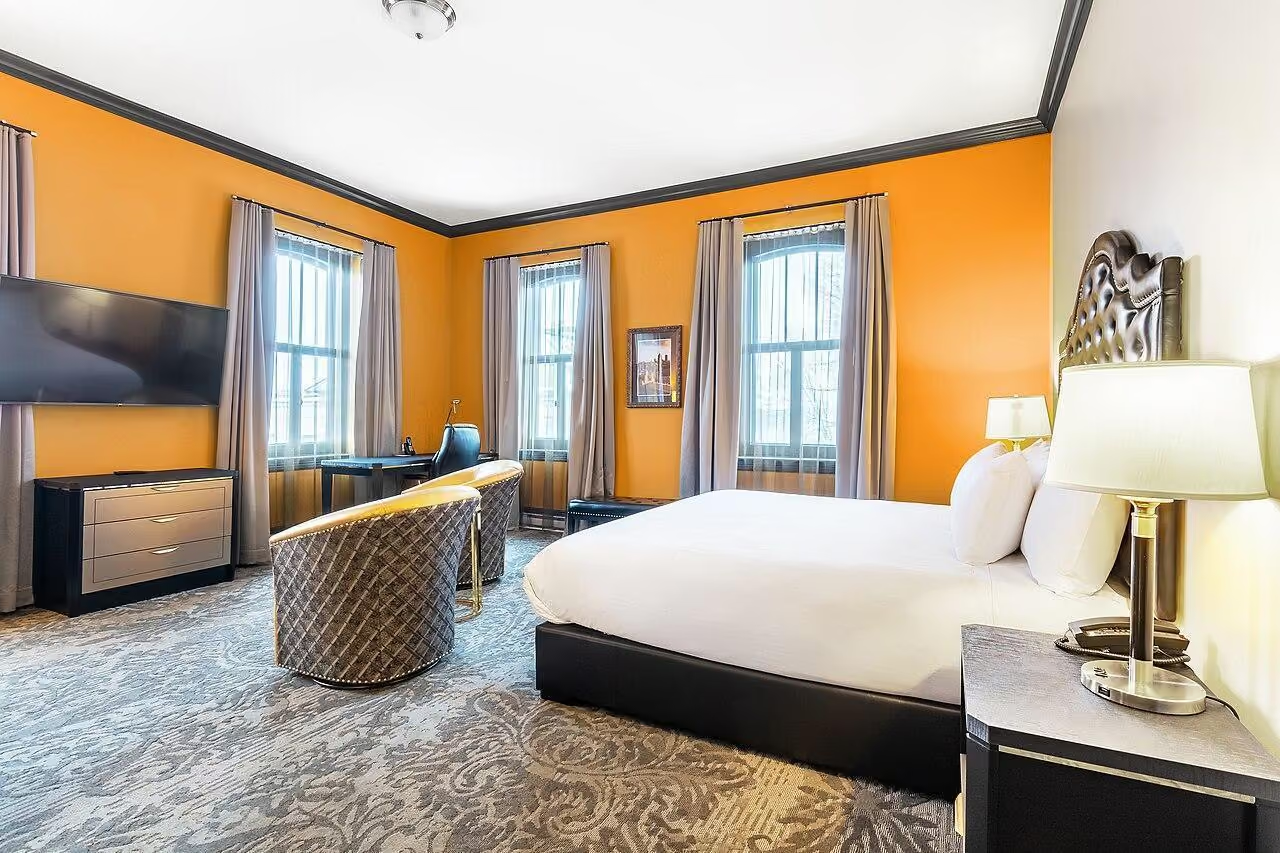
Include the normal furniture and window operation in the observation. A tall wardrobe may block a useful opening; a heavy curtain may cover a radiator; an attractive bed position may expose the pillow directly to unwanted light. The first improvement can be a layout change rather than a new finish. Test reversible changes before committing to permanent surfaces.
Preserve safe window and system access
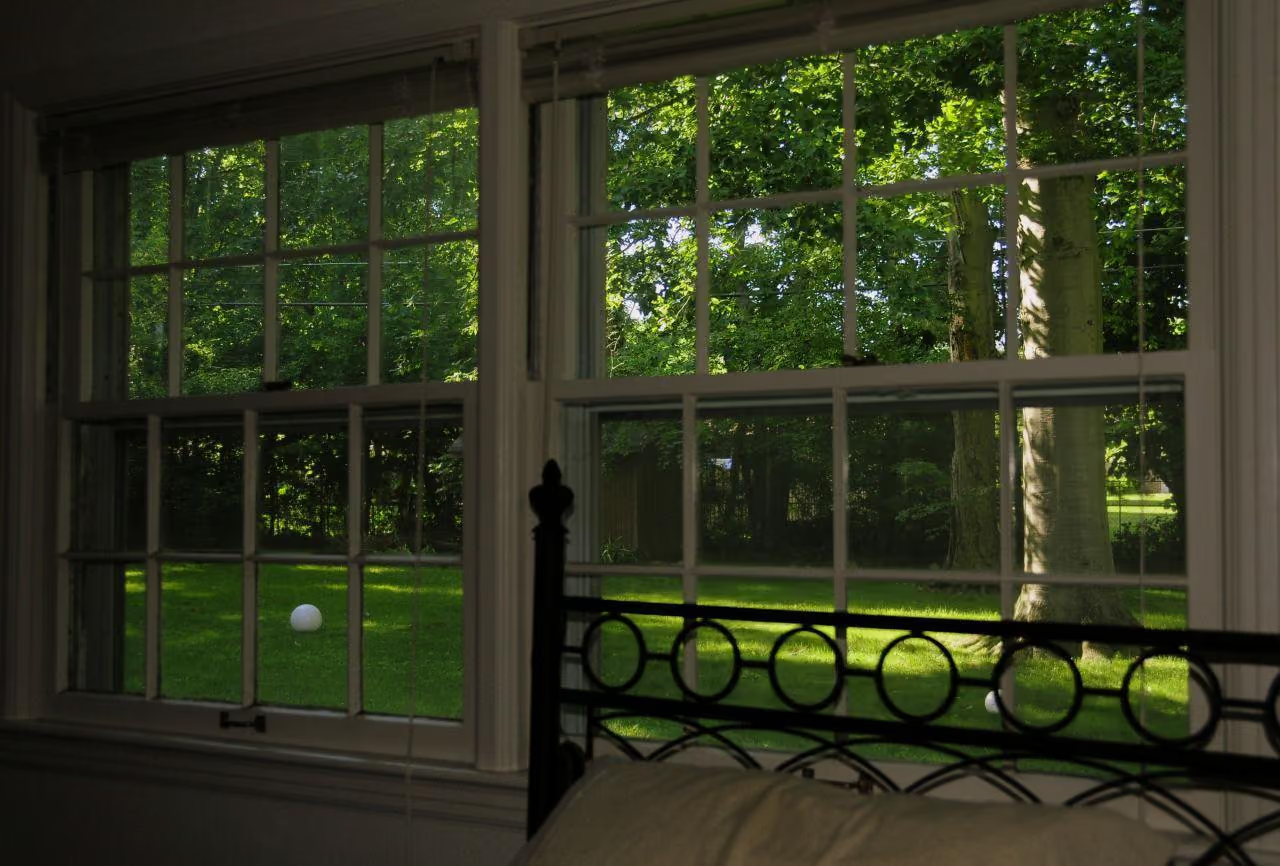
Any window treatment should allow appropriate operation, cleaning, ventilation, and required escape access. The applicable requirements depend on the building and location, so confirm them where needed. Do not cover a vent or obstruct equipment solely to create an uninterrupted wall. The calm image should rest on a functioning room.
If heating or cooling equipment is present, follow the relevant installation and use guidance. Furniture placement and fabric can affect access and operation. Decorative screens may be possible in some situations, but they need proper assessment rather than a visual assumption. The aim is to make necessary systems belong in the room without pretending they have no spatial requirements.
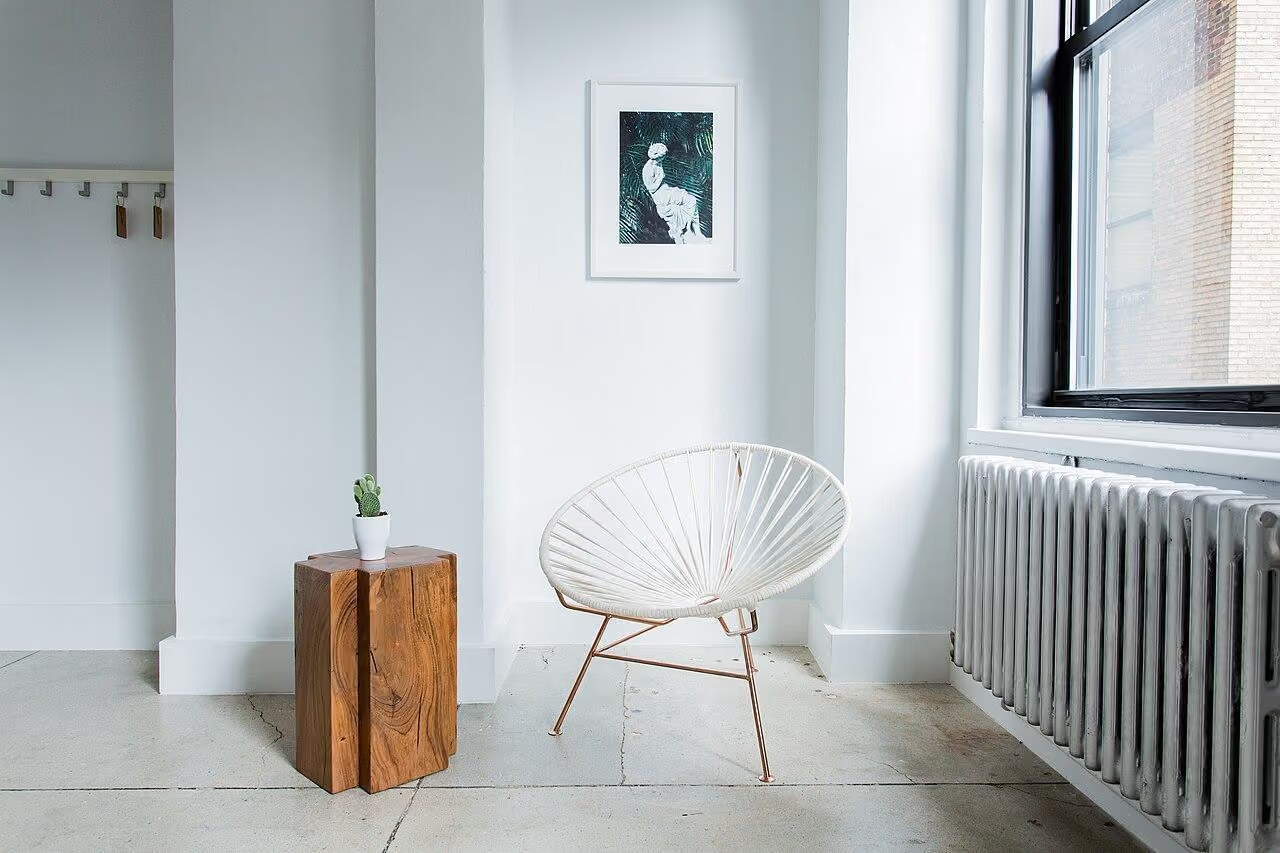
For a radiator that must remain functional within the scheme, review Designing around a Radiator without Pretending It Is Not There.
Choose the earthy palette from local light
Clay, chalk, olive, and faded blue can support the desired atmosphere, but they change under the room's daylight and lamps. Test large samples on more than one wall. A warm color may become quite saturated in strong sun or feel dull in a shaded room. There is no universal Mediterranean white that guarantees the same effect everywhere.
Keep the surrounding floor and bedding in the comparison. A new wall color can reveal undertones in an existing timber or tile that were previously less noticeable. Choose relationships rather than a palette of isolated favorite samples. A quieter background with one earthy textile may provide enough warmth while leaving the room adaptable.
Use texture with an appropriate specification
A mineral or lime-like finish can create subtle variation, but the actual product, substrate, preparation, and care matter. Obtain suitable advice before applying a new system to an existing wall. A decorative texture should not cover unresolved dampness, cracking, or failing material. Investigate the underlying condition before deciding what appearance to give it.
The most useful texture may be smaller and more reversible: a linen curtain, an upholstered headboard, or a ceramic lamp. These elements can introduce tactile character without changing the building fabric. Compare them with a full wall treatment, including cleaning and renewal. More permanent work is justified when it solves a clear need, not simply because it looks more complete in a reference image.
Let the bed remain straightforward
Choose the mattress and support system for the sleeper and the product requirements. A low platform or broad masonry-like base may look grounded, but its access and future adaptability deserve careful testing. A conventional bed can carry the same palette and soft material relationships without making the occupant's movement more difficult.
Keep bedside surfaces large enough for ordinary objects. A rustic stool may be charming but unstable or too small for a drink and lamp. Refined edges matter beside bare skin and in low light. The room's relaxed mood should come from ease, not from accepting awkward contact points as part of an informal aesthetic.
Make the evening light separate from the daylight problem
Useful dressing light, a reading source, and a gentler ambient layer can serve different moments. Do not rely on a single decorative pendant to do everything. Test reading light from the actual pillow and seated positions, and give each sleeper independent control where appropriate. A soft glow can be pleasant without being sufficient for a task.
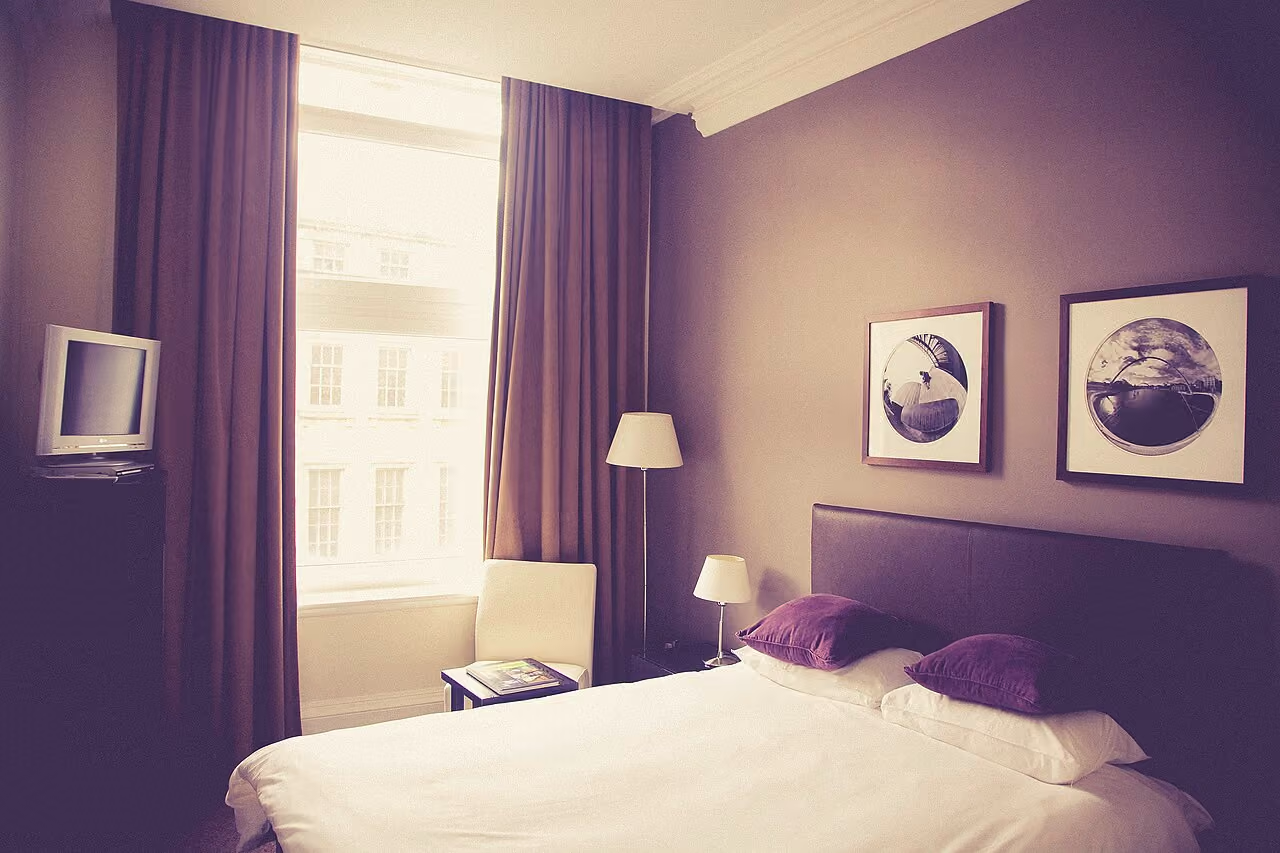
If the room needs strong outside-light control, choose that system separately from the visible curtain. A sheer fabric may supply atmosphere while another suitable layer performs the practical function. Check side gaps, stack space, and operation. The result should allow the occupants to choose daylight and privacy rather than accept one fixed decorative condition.
To resolve light leakage separately from curtain softness, compare A bright bedroom that also becomes dark enough at night.
Compare small interventions with larger work
Repositioning furniture, improving a blind, or adding a useful lamp may resolve much of the daily problem before a renovation is needed. Where a building-system change is warranted, obtain a professional scope and compare complete quotations. Do not spend the entire budget on a textured finish while leaving the main environmental discomfort unaddressed.
Keep product records and care instructions for finishes and textiles. Natural-looking materials are not automatically low maintenance or environmentally preferable. Make specific claims only when supported by reliable product information. The room can value tactile simplicity without turning broad aesthetic words into unverified performance promises.
Judge the room in ordinary weather
After changes, observe the same daily schedule again. Is window operation easier? Has glare been controlled? Does the bed position work in both morning and evening? A decorative photograph may confirm color relationships, but the occupied experience provides the more useful result. Adjust the scheme where the real conditions differ from the initial expectation.
In a fictional morning, warm color catches a little light while the occupant can open the window treatment comfortably and begin the day without fighting the room. That is the useful version of a sunwashed mood. Confirm schedule, building condition, system access, local light, finish suitability, bed function, and layered lighting. The atmosphere becomes convincing when it responds to the place where it actually exists.
Check, record, then decide.
A proposed worksheet for your own observations. Use consistent units for dimensions and keep the conditions with each record.
Actual environmental schedule
Where to check At the bed, dressing position, and window during the occupant's real sleeping and morning routine.
- Record
- Note time, weather, glare, drafts, perceived stuffiness, and active equipment; record thermometer readings in degrees Celsius or Fahrenheit only if actually taken.
- Read the result
- A room diary describes conditions, not ventilation adequacy, thermal performance, or the cause of discomfort.
- If it does not work
- Frame the specific building question for appropriate advice before treating earthy color or linen as an environmental solution.
Window and system operation
Where to check At openable windows, vents, heating or cooling equipment, and their cleaning or control points.
- Record
- Sketch furniture and fabric in normal positions, identify obstructed handles or access, and retain the actual product or building requirements.
- Read the result
- Visible access is one input, not proof that the proposed room meets ventilation, escape, or equipment-installation requirements.
- If it does not work
- Move the bed, wardrobe, or curtain arrangement rather than concealing a necessary system behind a decorative feature.
Palette under local light
Where to check On more than one bedroom wall beside the retained floor and bedding.
- Record
- Place large removable samples and note morning, afternoon, and lamp-lit color relationships; photograph with time and light source identified.
- Read the result
- A preferred warm appearance does not establish cooling, glare reduction, or suitability of a mineral coating on an uncertain substrate.
- If it does not work
- Use a smaller reversible textile or plain specified paint when the wall system or environmental need remains unresolved.
A practical trial
- Inspect the underlying wall condition before any textured coating is chosen.
- Test outside-light control separately from the visible curtain's softness.
- Repeat the observed schedule after a reversible layout change before commissioning larger work.
Compare the same scope
- Observed problem and appropriate building-system scope
- Reversible layout and window-control changes
- Finish preparation, bedding contact, and useful lighting
Cost drivers to discuss: Work to existing environmental systems; Window shape and practical light-control installation; Substrate preparation for mineral-looking finishes.
Choose another route when: A decorative-only sunwashed scheme is unsuitable as the sole response when actual heat, airflow, system access, or unresolved wall condition is the main concern.
The download is a blank record template. Your completed notes remain wherever you choose to keep them; this page has no measurement-submission service.
Sources for this guide
Each reference’s supported point and limits appear beside the relevant passage above. Product documentation applies to the named product, rather than every similar item or the photographed room.
Source text checked November 4, 2026. Specifications can change; confirm the current instructions for the exact item before ordering.
Your questions, considered.
Will a Mediterranean bedroom palette make the room cooler?
A visual mood does not establish environmental performance. Observe the actual problem and obtain appropriate advice for building systems rather than expecting color or linen to resolve it.
Should mineral-looking texture cover an imperfect bedroom wall?
Only after its condition is understood and the chosen product suits the substrate. Do not cover unresolved dampness or failing material merely to achieve a textured appearance.
How can I retain softness with stronger light control?
Separate the visible curtain from a suitable practical layer, then check gaps, stack space, access, and operation at the actual window.
About this guide: written with AI assistance for TIANLICHUJU. These are general design ideas, not a measured survey or a completed client project. Any domestic vignette is fictional. Confirm product specifications, site dimensions and local requirements before construction; use qualified professionals for regulated work. Read our editorial approach or suggest a correction.