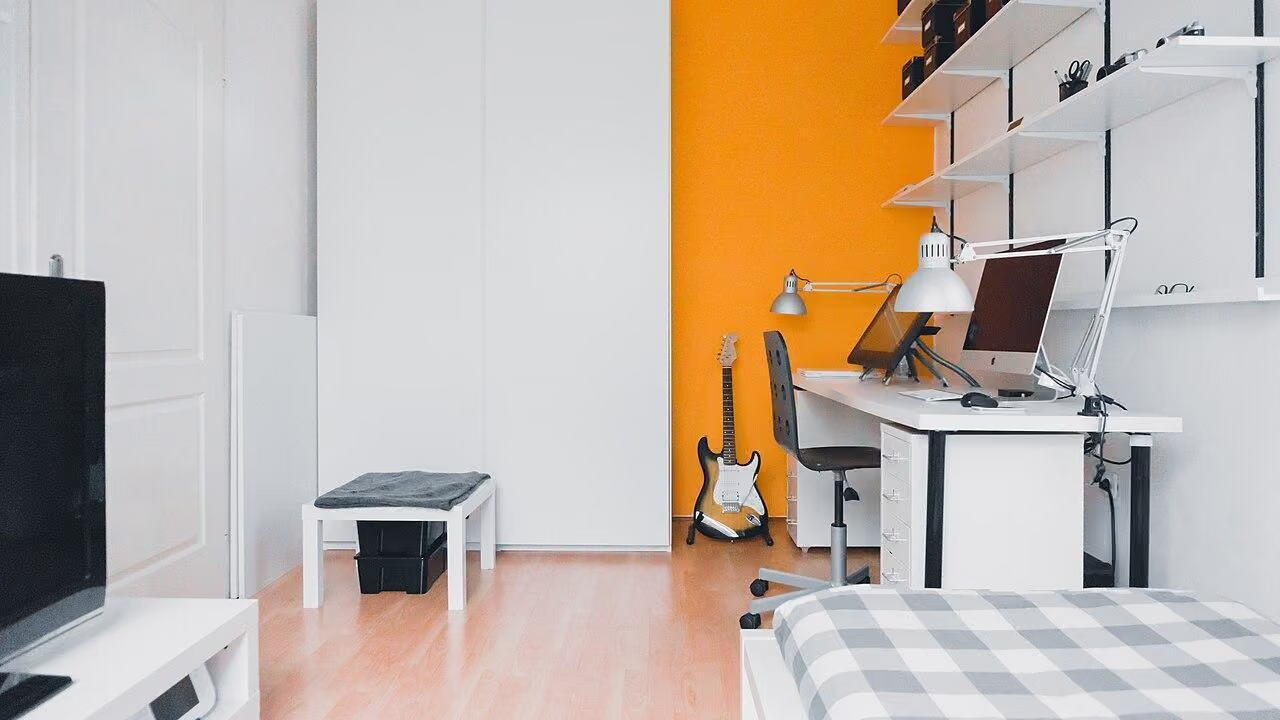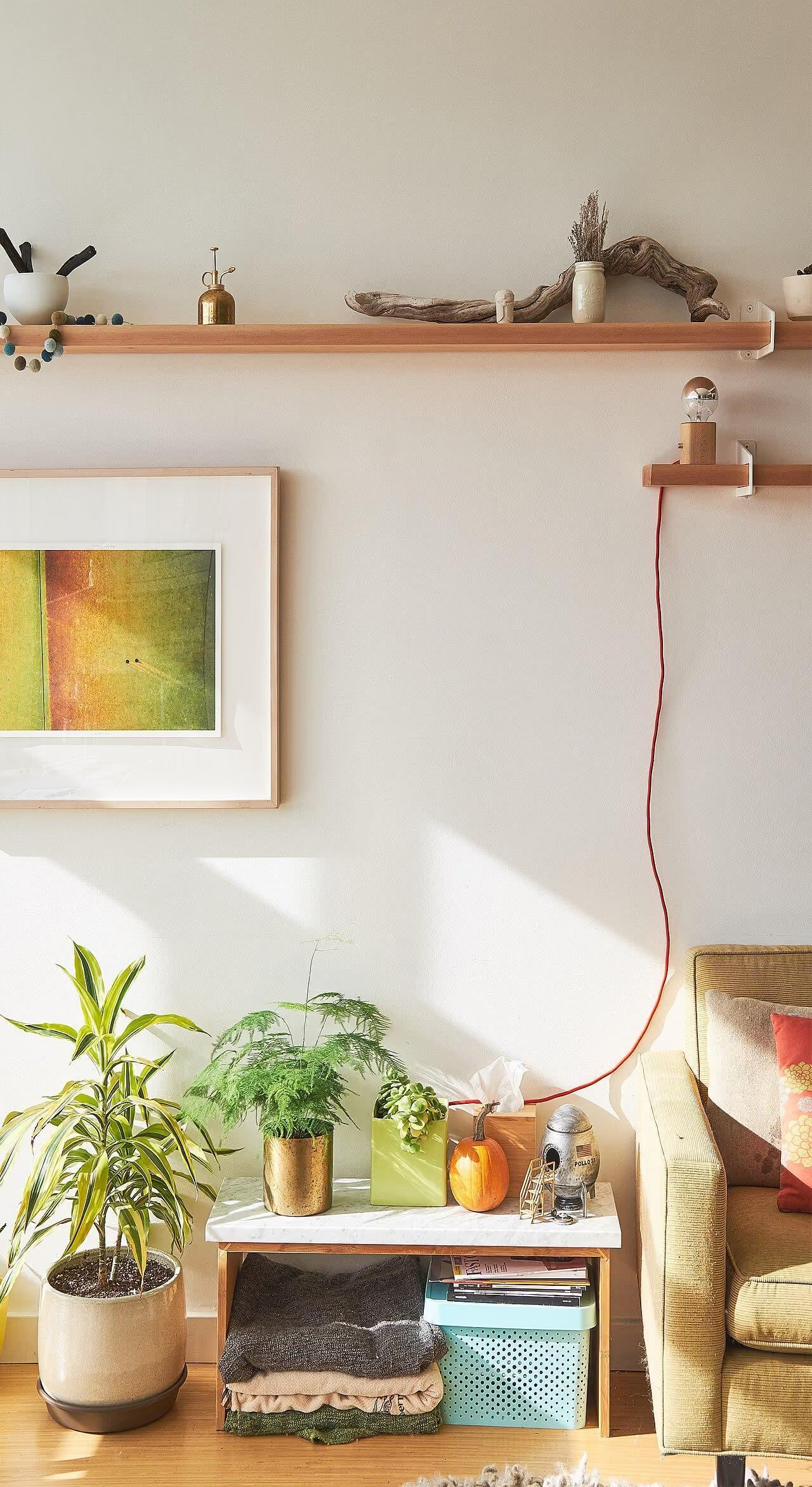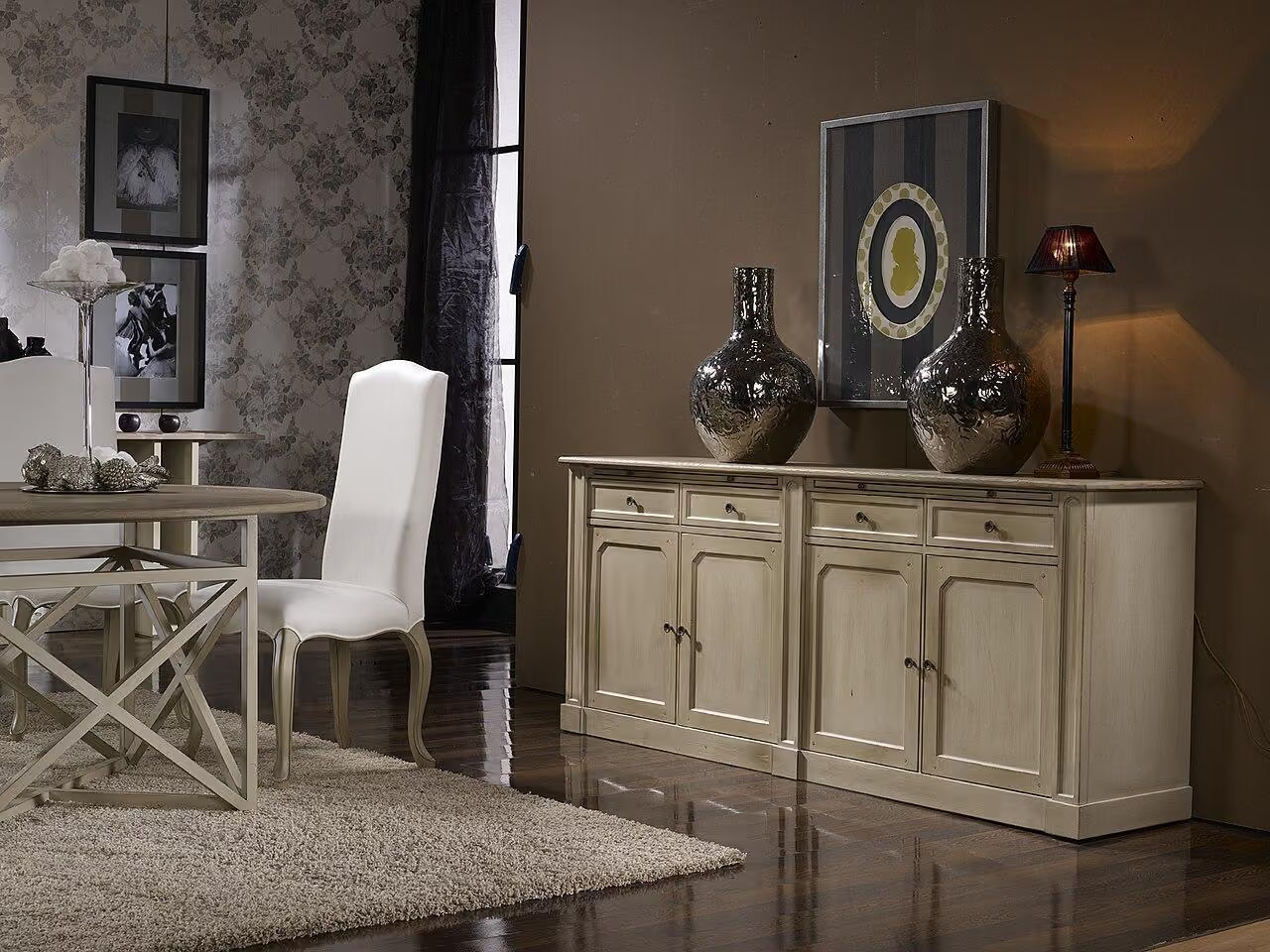
The decision, with conditions
- Choose this route when
- Choose the music corner when the instrument’s care requirements suit the location, the player can use a credible seat or support and accessories return to nearby storage.
- Use the alternative when
- If the attractive window position exposes the instrument to unsuitable conditions, compare another wall before buying an enclosure or decorative treatment to disguise the conflict.
- Stop or change the plan when
- Do not promise sound isolation from soft furnishings or approve a fitted surround that prevents maintenance. Instrument-specific advice and building-specific acoustic work may be needed beyond a room refresh.
Compare the practical options
| Music-corner need | Practical response | Do not assume |
|---|---|---|
| Instrument protection | Suitable stand, fixing and environmental conditions | A sunny decorative position suits every instrument |
| Playing comfort | Actual seat, pedals, elbows and music stand in use | A reading chair automatically supports playing |
| Easy start and reset | Current music and accessories stored near the session | A display shelf can organize every cable and tool |
| Shared-household sound | Agreed timing and appropriate equipment options | A rug or decorative panel creates sound isolation |
Make music easy to begin and easy to put away
Identify what currently delays playing: finding a seat, retrieving music, moving the instrument or untangling accessories. Solve that friction while keeping the instrument’s care requirements visible. The living-room arrangement should support actual practice and pack-away; treating the instrument as sculpture can create an impressive corner that is inconvenient to use or maintain.
The answer differs by instrument. A guitar, keyboard and upright piano have very different requirements for support, power, environmental conditions and movement. Follow the instrument and equipment guidance rather than assuming every music corner can use the same furniture. The design should encourage an existing creative routine, not promise that a styled space will create a new habit. If the resident rarely plays because of time or noise constraints, those issues need an honest discussion alongside the visual plan.
Protect the instrument before composing the corner
List the actual instrument and its support, then check the proposed location against its care information before styling it. Record nearby glazing, heat sources, likely knocks and the route required for maintenance or removal. Where the instructions leave uncertainty, ask the maker or an appropriate instrument specialist rather than adapting generic furniture advice. If the preferred location fails this check, move the music corner. A cabinet finish or attractive curtain cannot by itself make an unsuitable environment appropriate for the instrument.
Stands and supports need to be stable and intended for the instrument. Avoid resting equipment on a narrow occasional table simply because it fits the palette. Consider the movement of children, pets and visitors around the corner. The instrument should not sit in a route where it is repeatedly brushed or where its cable crosses the floor. If wall mounting is considered, use the correct product and fixing for the instrument and wall, with permission where required. A secure practical detail is the foundation of a relaxed musical presence.
Give the player a credible working position
Use the actual playing posture to test the seat and surface. A lounge chair may be comfortable for reading but unsuitable for holding an instrument. A keyboard needs an appropriate support and a relationship to the player’s seat that should be assessed individually. General room-planning advice is not a playing-technique or ergonomic prescription. If discomfort occurs, seek relevant guidance rather than adjusting the room solely by appearance.
Include the space needed for elbows, feet, pedals, music stands and another person passing nearby. The corner’s footprint is larger in use than when the instrument is stored. A chair that blocks the main route every time practice begins can create household resentment. Where space is limited, a dedicated compact playing position may be better than moving the entire sofa group. The aim is an activity that fits into ordinary life with minimal disruption, while still being comfortable enough to sustain.
Put accessories where the session ends
Sheet music, tuners, headphones and cables need defined storage close to the playing position. A drawer or closed cabinet can keep the living room visually calm, but its internal arrangement should fit the actual objects. Do not force long cables into tiny compartments that encourage tangling. Separate the current material from archives so starting a session does not require searching through the entire collection.
Power supplies and equipment need the conditions specified by their instructions, including ventilation where relevant. Keep cables inspectable and avoid trapping them under furniture or moving panels. A closing cabinet can hide equipment after use, but it should not become a place where heat-producing devices run unseen in unsuitable conditions. If new electrical work is needed, use a qualified professional. The visual goal of fewer wires should support a safer and more maintainable arrangement, not conceal a poor one.
Instrument accessories are easier to maintain when powered equipment has a planned service route. Living with Exposed Cables in a Room You Cannot Rewire.
Treat acoustics and neighbor relations as separate questions
Soft furnishings may reduce the sense of echo within a hard living room, but they do not automatically isolate sound from neighboring homes. Decorative acoustic-looking panels should not be presented as a complete soundproofing solution. If significant isolation is required, obtain an appropriate building-specific assessment. The cost and construction scope can be very different from a simple room refresh.
Discuss timing and expectations with the household. Headphones may be useful for compatible electronic instruments, but they do not apply to every activity and should be used according to the equipment and personal comfort. A visually perfect music corner cannot solve incompatible schedules on its own. The room can make practice easier to organize, while agreements make it easier to share. Be clear about what the design can and cannot achieve before investing in fitted storage or an elaborate backdrop.
Shared remote work raises a comparable distinction between visual separation and speech privacy. A Home with Two Workstations and One Living Room.
Let the instrument supply character
Smoky rose, oak and soft black can create a warm setting that does not compete with the instrument. A focused score light may be useful, with a separate softer source for the rest of the room. Test the light from the player’s position and avoid glare on glossy music pages or screens. A lamp should remain stable and its cord should not become part of the player’s foot space.
Leave room for care and repair
The instrument may need tuning, adjustment or other specialist maintenance, so preserve access around it and follow the relevant care advice. A fitted enclosure that makes a technician’s work difficult can be an expensive decorative mistake. Keep stands, moving parts and cables in suitable condition, and replace damaged components rather than disguising them with a cover. Store the product information and any assembly instructions where the next person maintaining the equipment can find them. If the instrument changes, review the support and environment instead of assuming the previous arrangement remains appropriate. A music corner should be able to evolve with the player’s practice.
The instrument already gives the corner identity. Additional themed artwork, display shelves and decorative objects may be unnecessary. Spend first on sound support, usable storage and appropriate light. Compare portable stands with fitted furniture by their actual stability, access and repair needs. This proposal is unsuitable when the instrument’s care conditions or the household’s noise requirements cannot be met. In an imagined evening, someone plays a familiar piece while another person reads nearby. The corner succeeds because music can begin naturally and end tidily, leaving the room available for the next ordinary pleasure.
Check, record, then decide.
A proposed worksheet for your own observations. Use consistent units for dimensions and keep the conditions with each record.
Instrument conditions and support
Where to check At the proposed instrument position near windows, heaters and household movement.
- Record
- Identify the actual instrument, maker's care guidance, stand or mounting specification and local exposure; list unresolved heat, moisture or knock risks.
- Read the result
- A pleasing focal position may be unsuitable for the instrument or its supporting product.
- If it does not work
- Move the instrument or obtain a suitable support and specialist guidance before integrating it decoratively.
Player's occupied footprint
Where to check At the playing seat with pedals, music stand and normal accessory arrangement.
- Record
- Sketch elbows, feet, equipment and passing routes; record dimensions with units and the player's feedback during a representative session.
- Read the result
- The stored instrument footprint understates the space needed to play comfortably and share the room.
- If it does not work
- Reorient the station or use a different suitable position rather than relying on furniture shuffling every session.
Session start and return
Where to check Between current music, cables, equipment storage and the playing position.
- Record
- List retrieval and pack-away movements, tangled connections and items without homes; note overlap with household calls or neighboring quiet expectations.
- Read the result
- Storage can shorten setup, but visual organization does not establish sound isolation or resolve conflicting schedules.
- If it does not work
- Simplify current accessories, agree practice arrangements or seek an appropriate acoustic assessment when required.
A practical trial
- Set up, play and pack away with the actual equipment before commissioning a fitted music cabinet.
- Test score lighting from the player's posture without glare or cords entering the foot space.
- Preserve access for tuning, repair and equipment replacement, keeping relevant care and support information available.
Compare the same scope
- Suitable portable stand and nearby current-accessory storage
- Fitted furniture with verified support and service access
- Separate technical scope if real sound isolation is necessary
Cost drivers to discuss: Instrument-appropriate support and environmental requirements; Reliable accessories, useful light and safe power access; Repair access and any professionally assessed acoustic work.
Choose another route when: A decorative corner is unsuitable when instrument care, stable support or the household's real noise requirements cannot be met.
The download is a blank record template. Your completed notes remain wherever you choose to keep them; this page has no measurement-submission service.
Sources for this guide
Each reference’s supported point and limits appear beside the relevant passage above. Product documentation applies to the named product, rather than every similar item or the photographed room.
Source text checked November 4, 2026. Specifications can change; confirm the current instructions for the exact item before ordering.
Your questions, considered.
Can I place an instrument beside a sunny window?
Check the instrument's own care requirements first. Sun, heat and moisture may make an attractive position unsuitable. Seek relevant maker or specialist advice rather than placing it for the room's symmetry.
Will soft furnishings soundproof a music corner?
They may soften some room reflections but should not be presented as sound isolation. Significant separation from neighbors or other rooms needs a suitable assessment, alongside household timing agreements.
What should be stored nearest the playing position?
Keep the current music, tuner, headphones or other regularly used accessories close enough to start and finish easily. Separate archives and route powered equipment safely with appropriate access and ventilation.
About this guide: written with AI assistance for TIANLICHUJU. These are general design ideas, not a measured survey or a completed client project. Any domestic vignette is fictional. Confirm product specifications, site dimensions and local requirements before construction; use qualified professionals for regulated work. Read our editorial approach or suggest a correction.