The decision, with conditions
- Choose this route when
- Choose an adaptable dining table when the largest regularly played game fits with personal areas, comfortable reach and useful lighting from every occupied seat.
- Use the alternative when
- If one occasional game overwhelms the table, compare a different setup or play location before buying a specialist table whose recessed surface compromises ordinary meals.
- Stop or change the plan when
- Do not infer play capacity from tabletop area alone. Revise the plan when components sit beyond comfortable reach, drinks threaten the layout or the changeover repeatedly displaces furniture into the route.
Compare the practical options
| Game-night requirement | Test with the real group | Furniture implication |
|---|---|---|
| Board and personal play areas | Lay out cards, pieces and drinks | Overall table area alone does not establish useful reach |
| Long seated session | Stay seated beyond the meal | Prioritize comfortable compatible chairs |
| Small text and glossy pieces | View every place under evening light | Use even useful light without distracting glare |
| Packing and ongoing games | Store actual boxes and pause a project | Provide realistic nearby storage or an alternative temporary surface |
Start with the game on the table
Set out the regularly played game before choosing a table by appearance or box size. Personal areas, shared components and the people reaching them all belong in the trial. Keep ordinary dining in the same comparison, so a specialist feature is purchased for a recurring need rather than a hypothetical game night.
This approach suits households whose evenings often move from dinner to shared play. It does not require a dedicated gaming table or a themed room. The main goal is comfortable sustained seating, useful light and a manageable transition between food and games. If the activity is only occasional, adaptable ordinary furniture may be more sensible than a specialized purchase. If it happens frequently, the room deserves to be evaluated for the full duration of use rather than only for a short meal.
Choose chairs for the second hour
Trial the same chairs used for dinner with the actual game set out. Include waiting as well as reaching: a player may hold cards, read a personal area and lean toward shared pieces over a long session. Ask each regular user to approach the table and stand without moving another person’s chair. If discomfort comes from the chair rather than the table, compare seats before purchasing a specialized surface. Preserve the caveat that a brief showroom sit cannot establish comfort for every player.
Mixed chairs can work well if their proportions are compatible. There is no need for a perfectly matching set, but everyone should have a credible seat. Keep a suitable spare where it can be retrieved without moving several other objects. The room should allow people to leave the table without disturbing the entire group. A bench may save space but can trap the person in the middle, so test entry and exit rather than assuming fixed seating is automatically the most efficient choice.
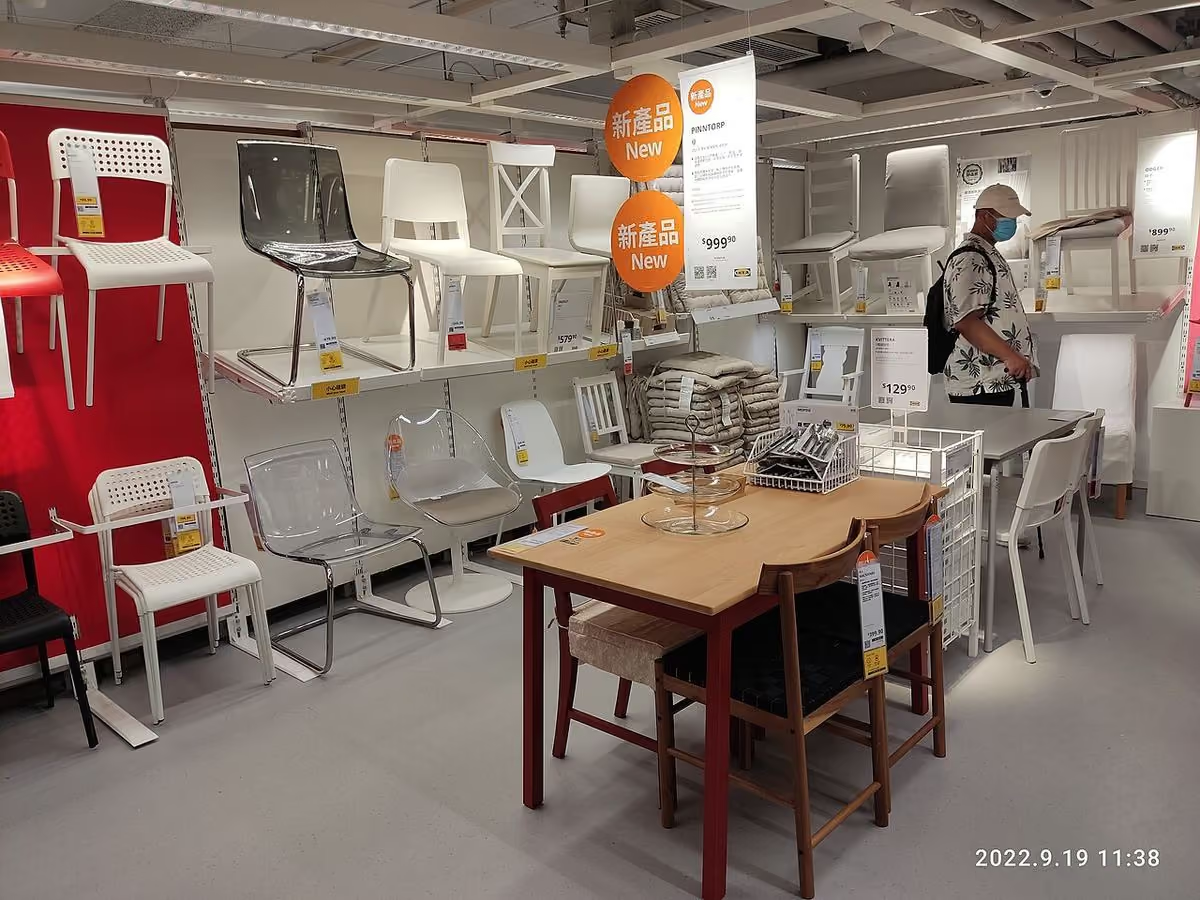
Chair arms and table fit deserve a specific test before committing to a long seated session. Dining chairs with arms: table fit, reach and standing space.
Protect usable area from decorative occupation
The table needs to remain a working social surface. A large centerpiece or collection of candles may leave less room than expected once the game is set out. Choose decoration that can move easily to a defined nearby location, or keep the main surface simple. The room’s character can come from wall color, chairs and lighting rather than objects occupying the play area.
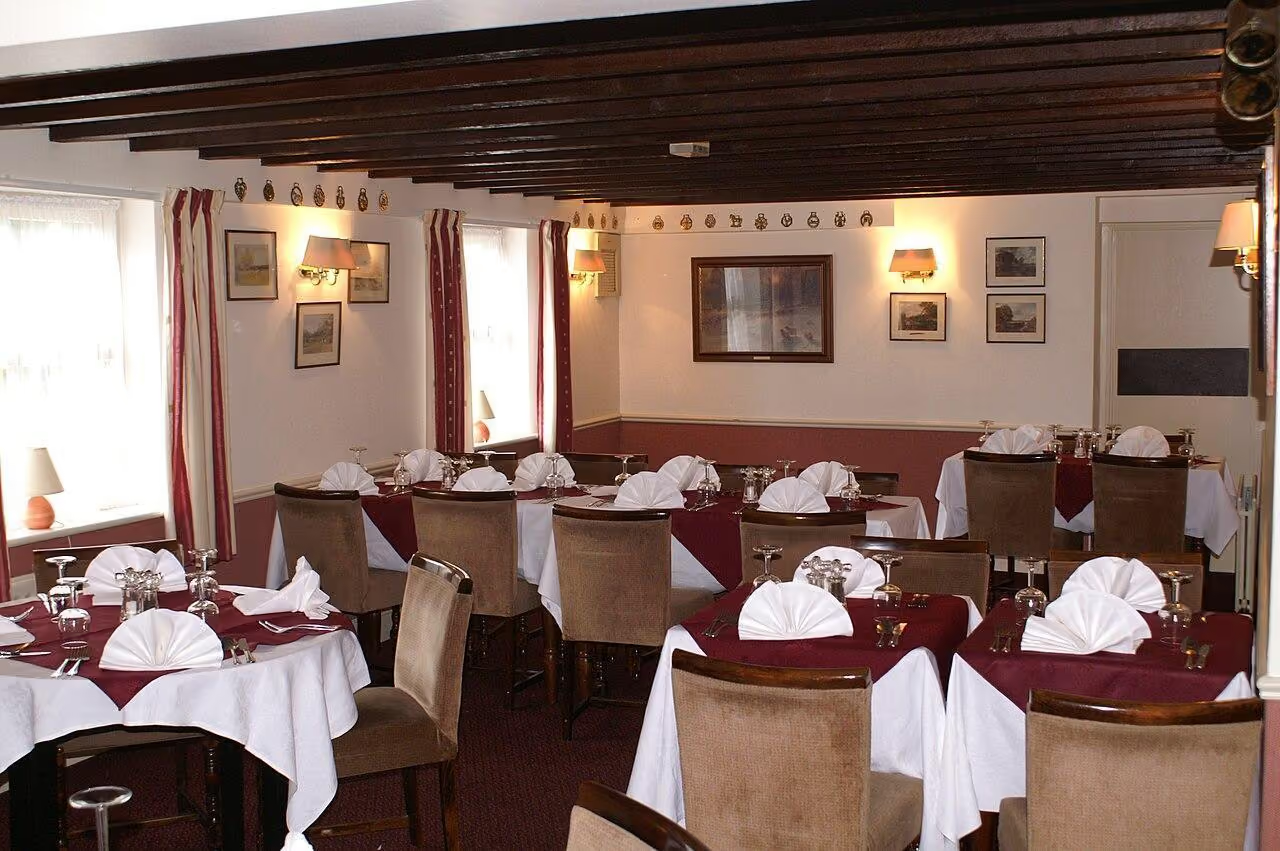
Dusty pink, honey-colored wood and a deeper brown can make the setting warm without prescribing a particular style of game night. Check the tabletop’s care instructions before choosing a protective layer. Cards, boards and drinks may benefit from a suitable mat, but it should lie securely and be easy to store. A deep padded cover may alter how pieces stand or make writing awkward. Test the actual activity rather than buying an accessory because it is marketed as universally useful.
Light faces and the surface together
Even tabletop light helps players read small text and distinguish pieces. A bright pendant that creates glare on glossy cards may be less useful than a softer, broader source. Test the light from every regular seat, including the end positions. The center of the table is not the only place that needs visibility. At the same time, people should be able to see one another comfortably; the room is a social setting, not simply an illuminated board.
Independent control can help the space change from dinner to play. If a dimmer or new fitting is added, use suitable products and qualified electrical work where required. Avoid loose lamp cords crossing the route around the table. Decorative low light may be atmospheric for dessert but insufficient for detailed rules or small pieces. The most flexible arrangement allows the group to adjust without moving furniture or holding phones over the board as improvised task lights.
Store boxes according to the real collection
Measure the game boxes before choosing the cabinet. Many collections include irregular sizes that do not fit a standard decorative cube. Adjustable shelves can be useful, but the furniture must support the actual load and be fixed as required. Store frequently played games where they can be retrieved comfortably, and avoid precarious stacks that require several boxes to be removed for one choice.
Small pieces need a return system that is easy to maintain. Keep the original organization where it works or use suitable internal containers without turning packing away into a lengthy sorting project. A game that remains in progress may need a protected alternative location if the dining table is required the next morning. Plan that exception honestly. A room cannot remain available for meals if an unfinished game permanently occupies its only useful surface. The household should agree which activities take priority and when.
Compare specialized furniture with ordinary adaptability
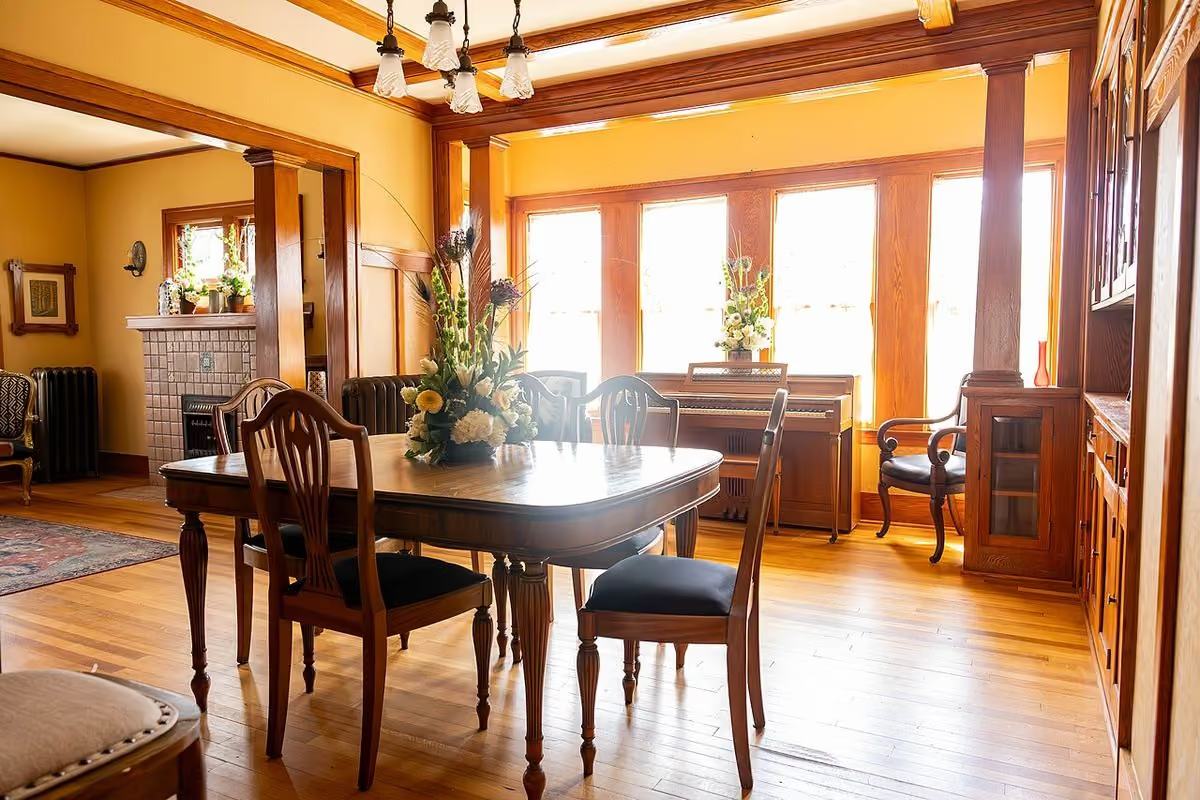
A dedicated game table may offer features the household values, but those features should answer actual use. Consider height, reach, cleaning, repair and how the table works for ordinary meals. A recessed play area may not suit every game or every diner. A high-quality standard table with comfortable chairs and good storage can be a more adaptable investment, particularly if the home may change.
Include the cost of delivery, any required assembly and suitable storage rather than comparing only the tabletop price. Existing furniture may need only a better light or a more useful cabinet. Try those focused changes first where possible. The proposal is unsuitable when the table or chairs cannot support comfortable sustained use, or when the open arrangement blocks necessary circulation. The fact that a game fits does not establish that the room works for the people playing it.
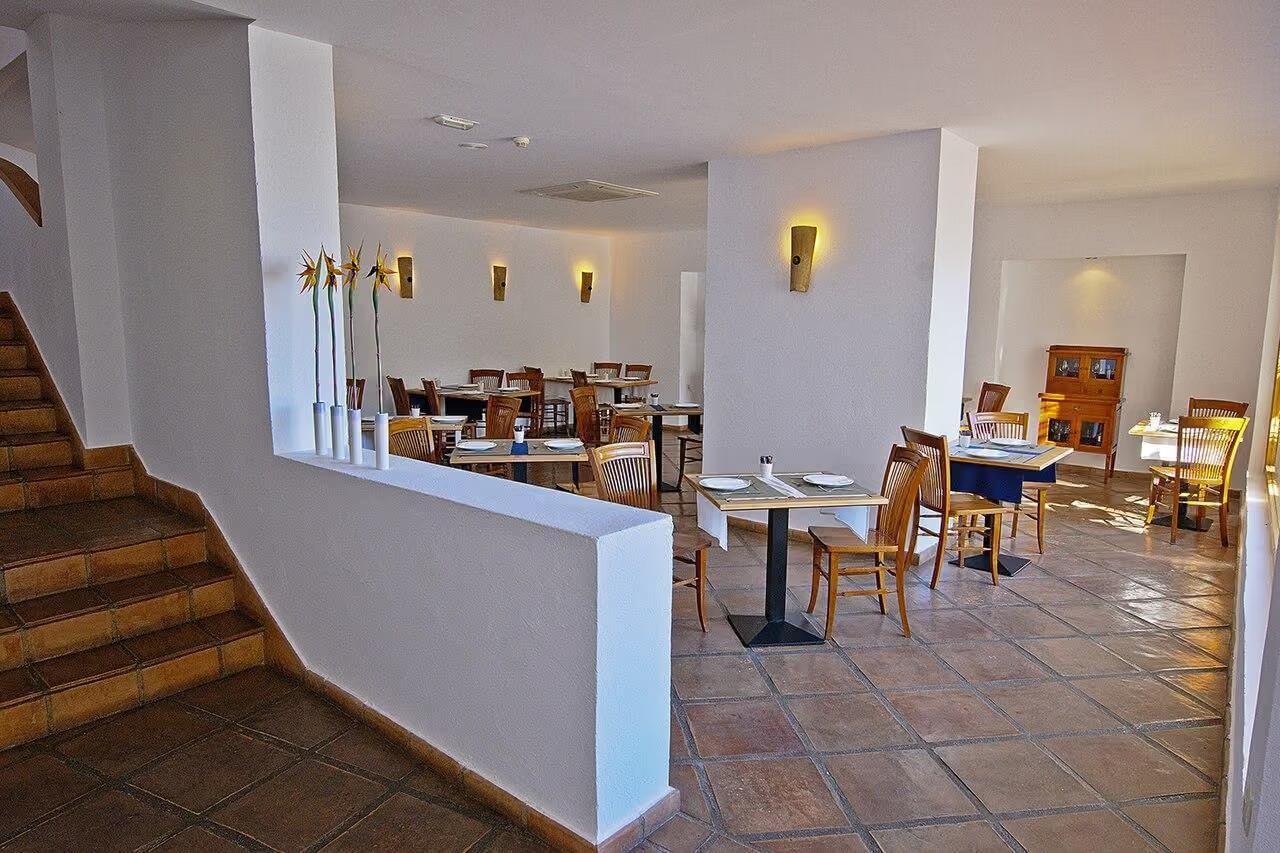
An extendable table can add hosting capacity only if both of its layouts remain comfortable. An Extendable Table for a Home That Hosts Occasionally.
Rehearse the full evening
Serve a normal meal, clear the dishes, set out a familiar game and later pack it away. Notice which part of the transition creates friction. Are drinks too close to vulnerable components? Does someone repeatedly stand to retrieve supplies? Is the spare chair uncomfortable? Those observations should guide the final purchases.
In a clearly imagined scene, plates leave the table and a friendly rivalry begins without rearranging the whole room. The lighting remains useful, each person can leave their chair and the boxes have a nearby home afterward. The room succeeds because it gives food, play and conversation a fair share of the same space, rather than treating one use as a decorative photograph and the others as inconvenience.
Check, record, then decide.
A proposed worksheet for your own observations. Use consistent units for dimensions and keep the conditions with each record.
Real game layout
Where to check Across the actual tabletop with the largest game regularly played.
- Record
- Set out board, cards, personal areas and drinks; measure the occupied arrangement with units and note which central elements each seated player can reach.
- Read the result
- A large tabletop can still be awkward if its shape or depth creates inaccessible play positions.
- If it does not work
- Try a different layout or suitable table rather than relying on the advertised seating count.
Second-hour seating
Where to check At every regular chair during a meal followed by a representative play session.
- Record
- Note session duration, comfort, arm and table interaction and entry or exit conflicts; include the spare place rather than only favored seats.
- Read the result
- Comfort at a short meal does not establish suitability for a longer seated social activity.
- If it does not work
- Repair or replace unsuitable seats and reduce places rather than assigning an inferior perch.
Light and pack-away
Where to check At each player's view and between the table and actual game-box storage.
- Record
- Record glare, shadows on small text, box dimensions with units and the destination of a game left unfinished when the next meal is due.
- Read the result
- Storage and lighting must serve actual pieces and household timing, not a symbolic box on a shelf.
- If it does not work
- Change useful light or storage and agree a protected alternative surface for ongoing games.
A practical trial
- Serve a meal, clear it, set out the chosen game and pack it away to expose transition problems.
- Test a proposed protective surface with actual pieces, checking stability and the tabletop's care requirements.
- Walk around occupied chairs and retrieve a game without disrupting other players or blocking the kitchen route.
Compare the same scope
- A suitable standard dining table with comfortable chairs
- Targeted lighting and box-sized storage improvements
- Specialized game furniture only for features the household uses
Cost drivers to discuss: Long-session chair comfort and useful table dimensions; Actual collection storage and suitable surface protection; Specialized features, delivery and maintenance obligations.
Choose another route when: The arrangement is unsuitable when players cannot sit, reach or leave comfortably or an ongoing game permanently prevents necessary meals.
The download is a blank record template. Your completed notes remain wherever you choose to keep them; this page has no measurement-submission service.
Sources for this guide
Each reference’s supported point and limits appear beside the relevant passage above. Product documentation applies to the named product, rather than every similar item or the photographed room.
Source text checked November 4, 2026. Specifications can change; confirm the current instructions for the exact item before ordering.
Your questions, considered.
Do I need a dedicated board-game table?
Not necessarily. A suitable standard table, comfortable chairs and useful storage may serve both meals and games better. Evaluate specialized features against the actual games, cleaning and ordinary dining use.
How can I tell whether a dining table is large enough for games?
Set out the largest regular game with personal areas and drinks, then test visibility and reach from every seat. A wide surface may still leave the center awkward to use.
What should happen to an unfinished game at breakfast time?
Plan an appropriate protected alternative if the dining table must be available. Agree priorities and storage rather than assuming an unfinished game can permanently occupy the household's only meal surface.
About this guide: written with AI assistance for TIANLICHUJU. These are general design ideas, not a measured survey or a completed client project. Any domestic vignette is fictional. Confirm product specifications, site dimensions and local requirements before construction; use qualified professionals for regulated work. Read our editorial approach or suggest a correction.