The decision, with conditions
- Choose this route when
- Choose the pairing after the cabinet's role and condition are understood and actual upholstery samples, floor, access, and visual mass form a deliberate relationship in the room.
- Use the alternative when
- Keep the cabinet in another useful role or use a lighter supporting piece when restoration or a forced placement would compromise the living area's main activity.
- Stop or change the plan when
- Stop irreversible alteration if construction or coating is uncertain, or if adapting the cabinet for equipment destroys the material qualities that justified keeping it.
Compare the practical options
| Old-and-new decision | Useful evidence | Avoid |
|---|---|---|
| Why retain the cabinet? | Emotional value, sound condition, or a real inventory | Treating it as an obstacle with no defined role |
| Which sofa fabric relates? | Large samples beside the actual cabinet and floor | Matching from a phone photograph |
| What connects the periods? | One repeated curve, tone, or modest detail | Buying another major piece only to mediate |
| Should the cabinet be refinished? | Construction, condition, value, and competent advice | Irreversible cosmetic work before understanding the piece |
Give the inherited piece a clear role
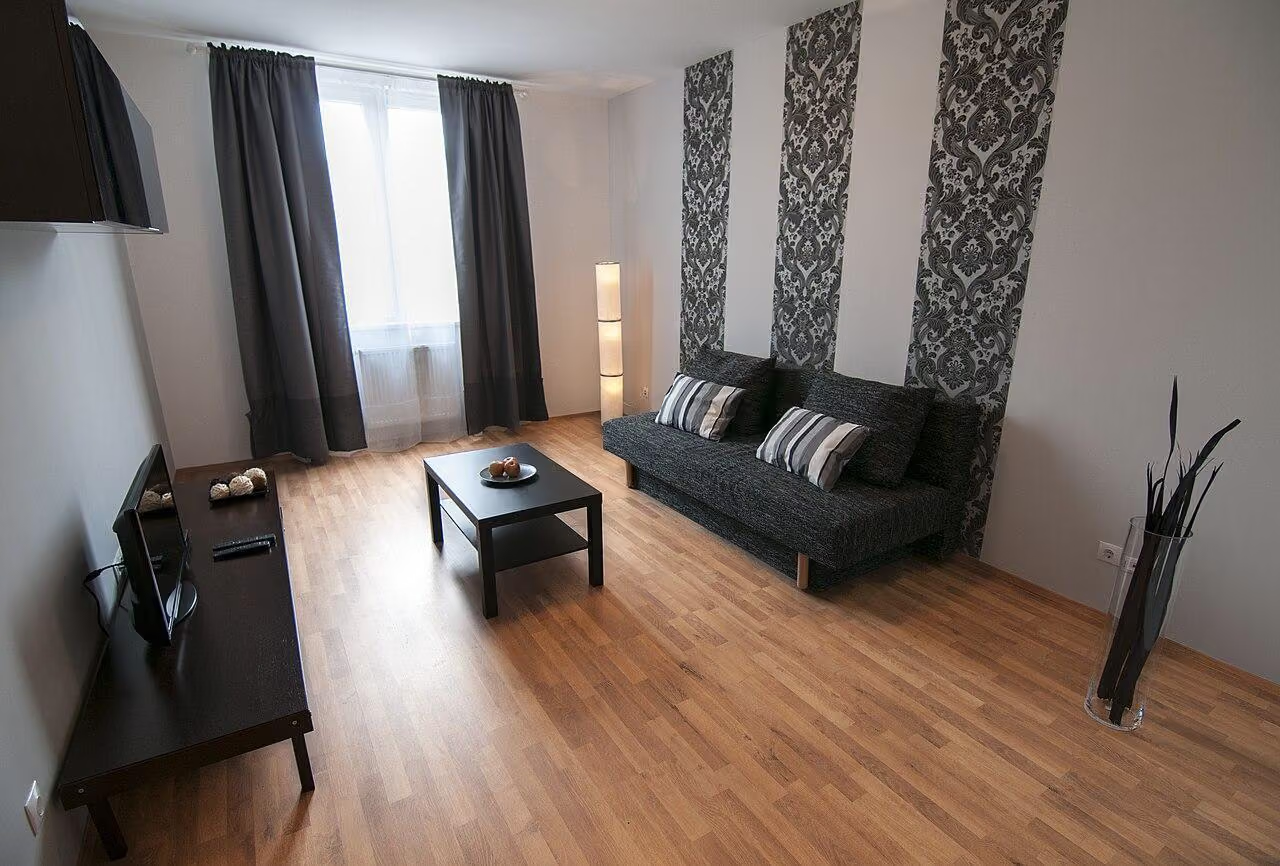
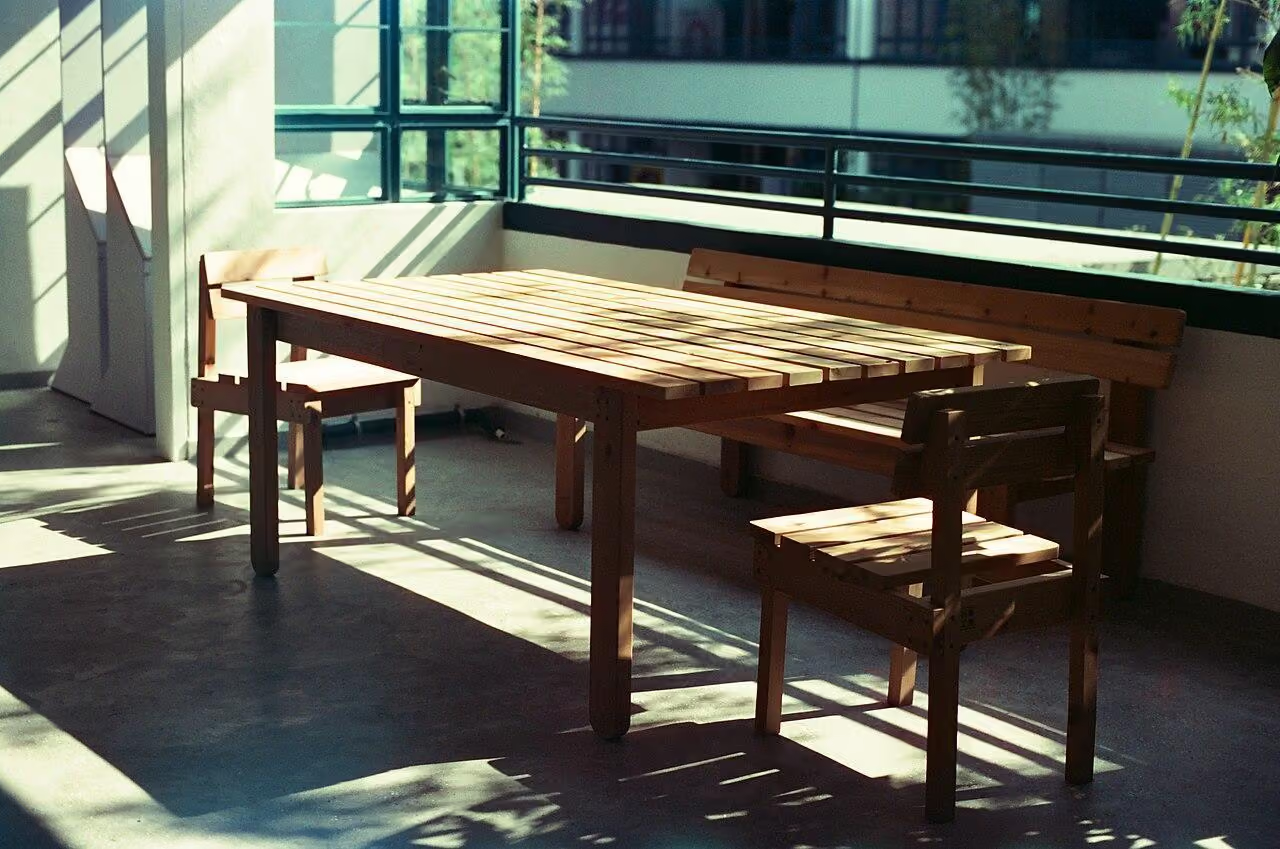
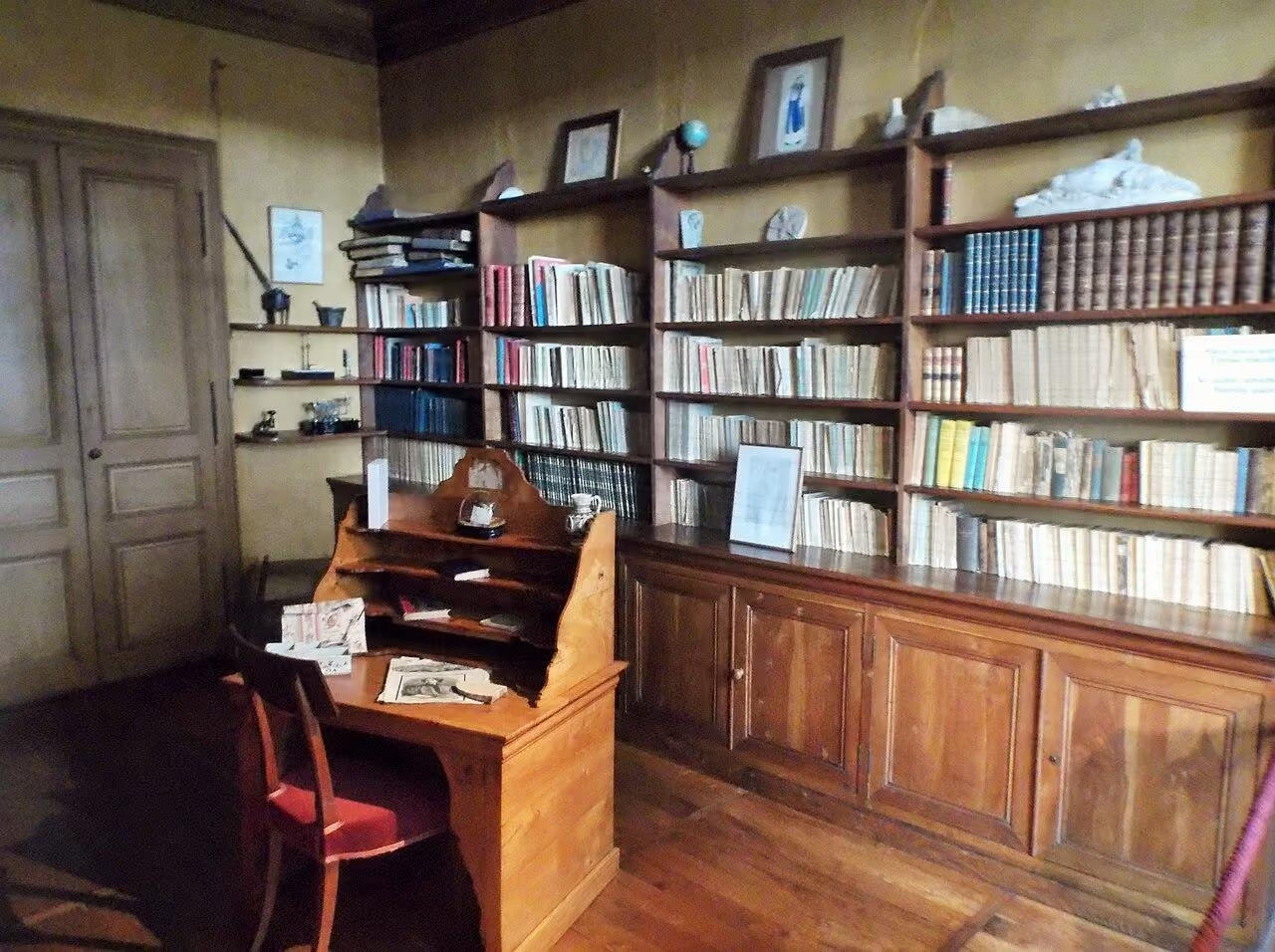
An inherited cabinet can feel difficult to place beside a new contemporary sofa. The cabinet may have a darker finish, a more detailed profile, or a scale associated with another room. Replacing it is not the only route to coherence, and surrounding it with more traditional furniture may make the living room heavier than intended. A transitional approach lets each piece contribute something different within a clear arrangement.
State why the cabinet stays and what it will hold. A meaningful object belongs more convincingly when it has a useful role than when accessories try to disguise its difference from new seating.
Inspect condition before building the scheme around it
Check joints, doors, shelves, feet, and the existing finish. A cabinet that has moved between homes may need adjustment or repair before daily use. Ask a competent restorer for advice where condition or material is uncertain. Do not assume an old piece is structurally sound because it has survived for many years.
Consider the intended inventory. A cabinet designed for linen may not be suitable for heavy books or enclosed electronics without assessment. Measure internal clear dimensions and check access. Avoid irreversible changes simply to make the piece behave like a new media unit. Another storage role may preserve both usefulness and character while a separate item serves the technical equipment.
For a sound repair that respects visible age, examine A wabi-sabi living room with a sound repaired centerpiece.
Compare the cabinet's visual mass with the sofa
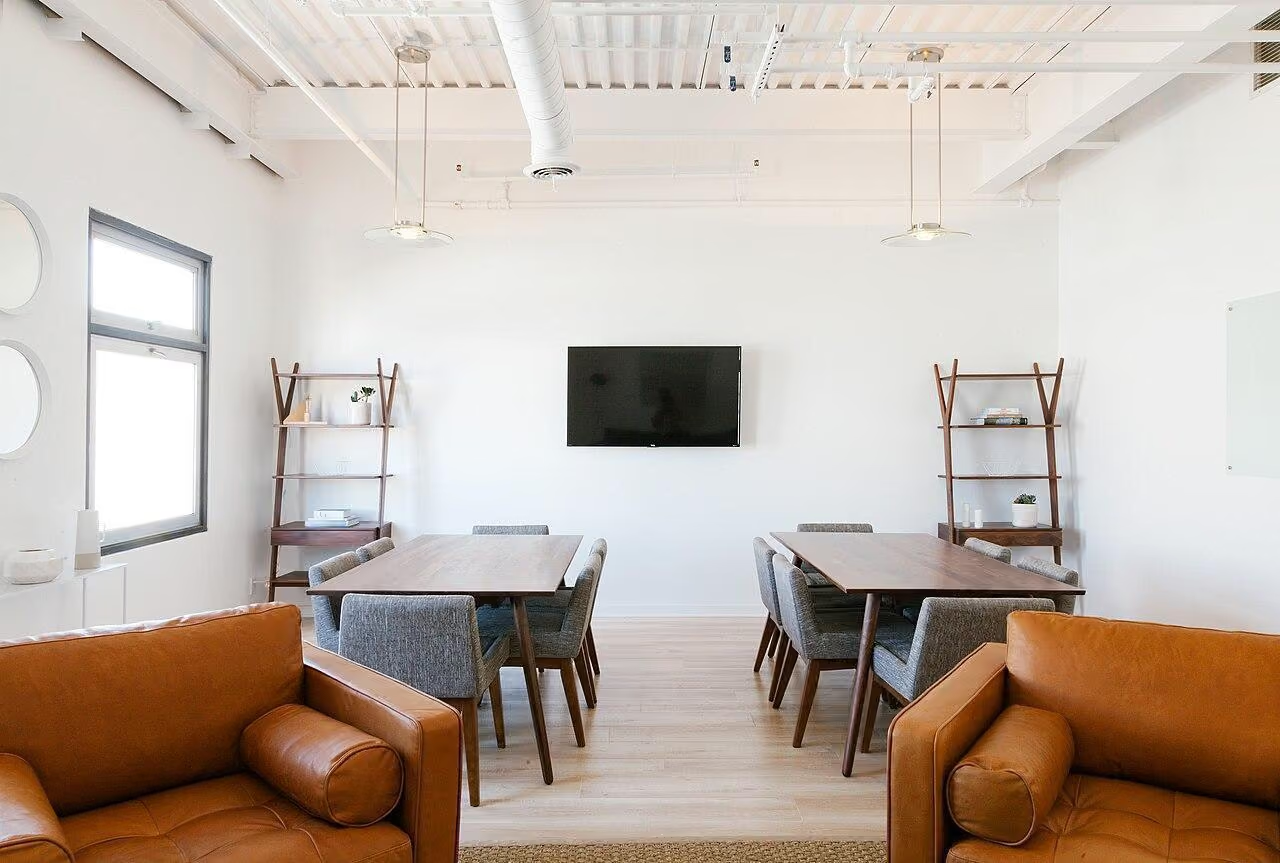
Place the cabinet where it can be read as a warm anchor rather than one part of a continuous dark wall. A lighter sofa fabric or a cleaner-lined seat can provide useful contrast. The pieces do not need equal size, but their visual weight should feel considered within the whole room. Include the floor and wall color in the comparison.
Use large upholstery samples beside the actual cabinet, not a photograph of it on a phone. Timber and fabric change under local light. A neutral that looks safe in a shop may make the cabinet appear unexpectedly orange or dull. Choose the relationship that feels deliberate rather than trying to find a fabric that erases the difference between old and new.
Let the plan decide their positions
The cabinet should remain accessible and the sofa should support conversation, reading, and movement. Do not place one awkwardly merely to create a balanced photograph. Draw the cabinet with doors open and the sofa occupied. Check the route between the entrance, window, and adjacent rooms. The furniture should not require constant negotiation during ordinary use.
If the cabinet's top is useful, assign it a limited role: a lamp, a landing tray, or a small display. Avoid covering it with accessories intended to make it look more contemporary. A few well-placed objects can connect the room, but a large styling exercise may simply hide the cabinet's proportions. Let its existing material character remain visible.
Choose one bridge between the periods
Choose one bridge already available in the room: a curve, timber value, fabric color, or modest dark accent. Test that relationship before purchasing a third major piece to mediate the first two.
Avoid transitional choices so cautious that every object becomes an indistinct compromise. The cabinet can remain clearly older and the sofa clearly newer. Their difference is part of the room's depth. The shared relationship should make that contrast understandable, not remove all personality from both. A calm background often provides enough common ground.
If more of the home is arriving before everything matches, compare A First Apartment That Feels Finished before Everything Matches.
Keep supporting tables and storage simpler
Once the cabinet carries detail, a plain side table or low table can provide visual rest. Test reach from the seats and the surface needed for drinks or books. A sculptural table may be attractive but should not compete with the cabinet while failing its everyday task. Useful modest furniture can make the main pieces feel more intentional.
Do not add a matching cabinet on the opposite wall merely to balance the first. Use the actual storage need and room capacity. A lighter chair, artwork, or clear wall may provide a better relationship. Transitional design is an edit between existing and new elements, not a requirement to accumulate equal quantities from different styles.
Use light to bring both pieces into the evening room
A shaded lamp on or near the cabinet can reveal timber warmth while a separate source serves the sofa. Check the occupied view for glare and reflections. The older piece should not become an isolated display while the main seat remains dim. Useful light can connect the room more naturally than another decorative object.
Keep cables and outlets accessible, especially if the cabinet sits close to a wall with limited power. Do not cut openings or trap cords without a considered plan. Fixed electrical changes need appropriate professional work. The visual relationship should remain calm because the practical routes are resolved, not because cables have been temporarily hidden for a photograph.
Decide on restoration without forcing a match
Repainting or refinishing may be appropriate in some cases, but it should follow an understanding of the piece's construction, condition, and value. Ask what original material would be altered and how the treatment could be maintained. A quick cosmetic change can be difficult to reverse, particularly on veneer or an unfamiliar old coating.
Compare repair and retention with replacement honestly. Include transport, restoration, adaptation, and future care. Emotional value can justify work that is not the cheapest option, but it should not be disguised as an automatic saving. The design gains clarity when each reason for keeping or changing a piece is understood.
Let ordinary use finish the conversation
Live with the main arrangement before buying the final accents. Notice whether the cabinet is used, whether the sofa feels comfortably placed, and which surfaces attract everyday objects. Adjust those relationships first. A room often becomes more coherent through a useful routine than through a carefully selected set of accessories.
In a fictional evening, the inherited cabinet holds a familiar game while the newer sofa gives a comfortable place to gather. Neither piece has to apologize for its age or style. Confirm condition, inventory, visual mass, occupied layout, one connecting relationship, light, and restoration scope. A transitional living room succeeds when old and new contribute to the same present life.
Check, record, then decide.
A proposed worksheet for your own observations. Use consistent units for dimensions and keep the conditions with each record.
Reason and condition for retention
Where to check At the inherited cabinet, including interior shelves, moving parts, feet, and existing repairs.
- Record
- Write its emotional or practical role, intended contents, visible condition concerns, and any unknown finish or construction before discussing decoration.
- Read the result
- Personal value is a valid reason to retain it but does not establish structural quality, equipment suitability, or an automatic financial saving.
- If it does not work
- Give it a less-demanding role or obtain a defined restoration assessment before adapting it to a new use.
Actual sofa-to-timber relationship
Where to check Beside the cabinet in its intended room with large upholstery samples and the existing floor visible.
- Record
- Compare daylight and evening views; note which sample makes the cabinet feel deliberate, too dominant, or unexpectedly different in tone.
- Read the result
- The comparison tests local color relationships, not a universal rule that older timber needs pale upholstery or matching wood.
- If it does not work
- Use a quieter supporting piece or acknowledged contrast instead of refinishing a meaningful cabinet solely to chase a near-match.
Two useful positions
Where to check At the cabinet with doors open and the sofa occupied along the normal entrance-to-window route.
- Record
- Mark real footprint dimensions in centimeters, storage retrieval, reachable side surfaces, and any cable or equipment access separately.
- Read the result
- A successful photograph does not prove the cabinet remains used or the sofa's placement supports daily conversation and reading.
- If it does not work
- Move one piece or simplify surrounding furniture rather than adding a third major item merely to connect the styles.
A practical trial
- Try one shared color or curve without repeating every furniture profile.
- Ask what material a proposed refinishing treatment would remove or alter.
- Live with the main arrangement before purchasing its final decorative accents.
Compare the same scope
- Retention purpose and condition-based restoration
- Sofa comfort and room-scale material relationship
- Transport, useful placement, care, and future adaptation
Cost drivers to discuss: Uncertain old coatings and repairs; Large inherited-piece transport and access; Irreversible modifications for modern equipment.
Choose another route when: The proposed pairing is unsuitable when keeping the cabinet in that role blocks practical seating or requires alteration that destroys the qualities the owner values.
The download is a blank record template. Your completed notes remain wherever you choose to keep them; this page has no measurement-submission service.
Sources for this guide
Each reference’s supported point and limits appear beside the relevant passage above. Product documentation applies to the named product, rather than every similar item or the photographed room.
Source text checked November 4, 2026. Specifications can change; confirm the current instructions for the exact item before ordering.
Your questions, considered.
Can an inherited traditional cabinet work with a modern sofa?
Yes. Give both a useful position, compare real visual weight, and establish one connecting relationship while allowing each piece to retain its character.
Should I paint an inherited cabinet to match new furniture?
Not automatically. Understand its construction, condition, finish, and value first, then compare informed restoration with leaving it as a deliberate warm contrast.
How do I choose sofa fabric beside dark inherited timber?
Use large samples beside the actual piece under room lighting. Judge the cabinet, floor, wall, and fabric together rather than selecting a neutral from an isolated shop swatch.
About this guide: written with AI assistance for TIANLICHUJU. These are general design ideas, not a measured survey or a completed client project. Any domestic vignette is fictional. Confirm product specifications, site dimensions and local requirements before construction; use qualified professionals for regulated work. Read our editorial approach or suggest a correction.