The decision, with conditions
- Choose this route when
- Choose a selected display when individual objects remain legible, its supports suit their actual loads and the items left off view have appropriate retrievable storage.
- Use the alternative when
- Keep a denser collection if that is genuinely enjoyed, but reserve useful working surfaces and correct unstable or inaccessible storage independently of the visual preference.
- Stop or change the plan when
- Stop a display plan when the location or handling routine cannot support appropriate care, or when attractive light and shelving conceal unresolved material or stability requirements.
Compare the practical options
| Collection decision | What to establish | Useful result |
|---|---|---|
| Current display selection | What the resident most wants to enjoy now | Individual shapes remain visible rather than competing everywhere |
| Shelf and support | Real object dimensions, loads and fixing | Stable display with comfortable retrieval |
| Lighting and environment | Material sensitivity and appropriate preservation advice | Attention without treating every object as spotlight-safe |
| Reserve storage and rotation | Protection, identification and manageable handling | A changing display without careless hidden storage |
Display should help individual objects remain visible
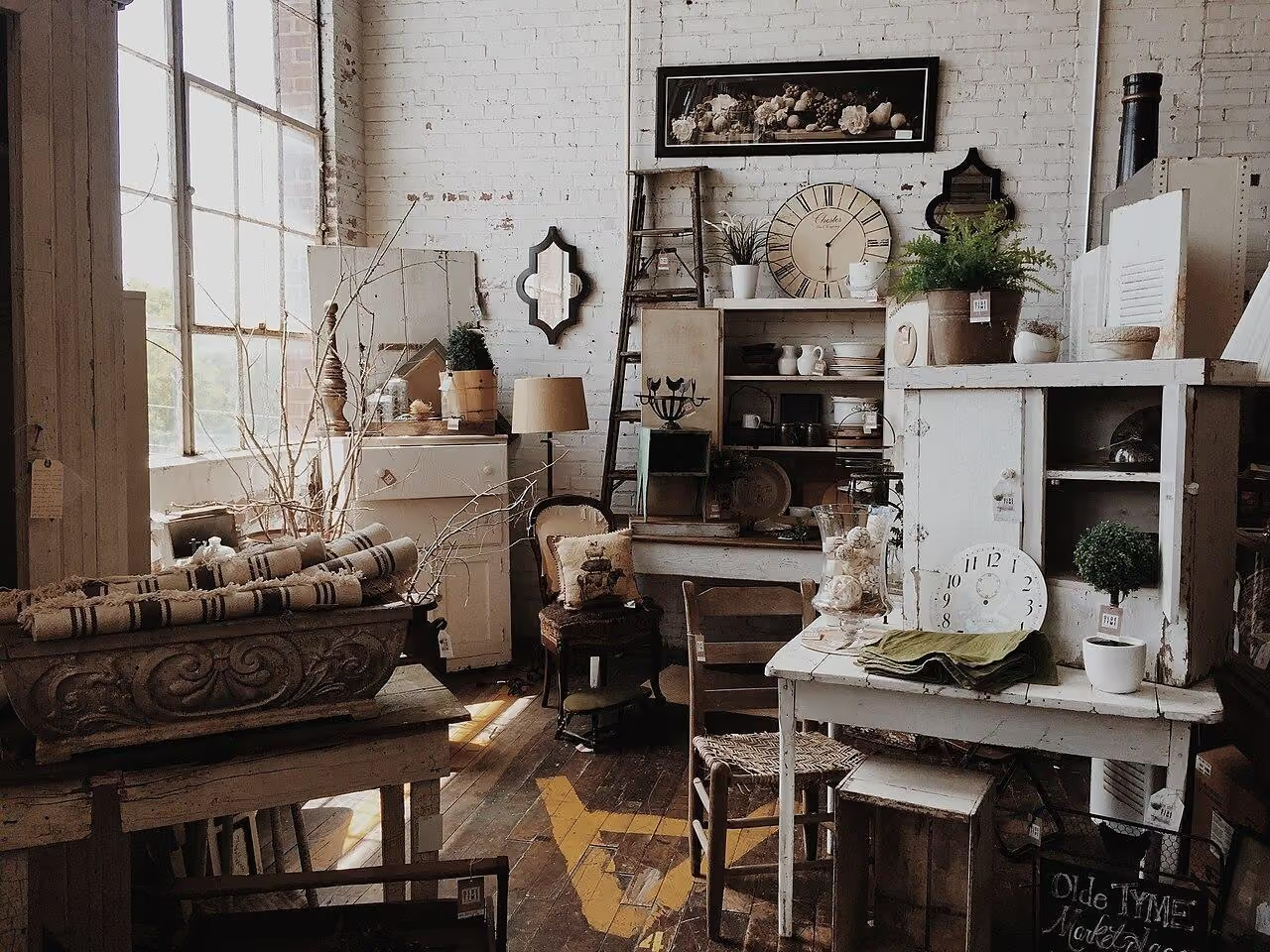
Select the objects you want to encounter now and assign the rest an appropriate accessible home. Then arrange the visible group so each shape can be seen and retrieved without disturbing several others. This is not a numerical rule for owning less. It is a test of whether the display improves enjoyment while the room's working surfaces and the collection's care remain credible.
This approach suits people with books, ceramics or other meaningful objects who want a room that remains usable. It is unsuitable when the items require environmental, security or conservation conditions that an ordinary open display cannot provide. Valuable or sensitive objects may need specialist advice. Do not assume a beautiful shelf and a spotlight are appropriate for every material. The collection’s actual needs should shape the display, rather than the room demanding that every object perform as decoration.
Give groups enough breathing space
Place related objects together by a connection that matters to the collector: use, material, period or personal story, where that story is known. Avoid inventing provenance or significance to make a display sound richer. A familiar bowl can be meaningful without a dramatic narrative. Leave enough space around selected pieces that their shapes can be read. Empty shelf area is not wasted capacity when it allows the collection to be seen more clearly.
Vary group scale without turning the arrangement into a fixed styling rule. Some objects may need stable supports or protective cases, which should be chosen for their actual requirements. Test the view from the main seats and from the entrance. A delicate small group may disappear on a distant high shelf, while a large object can dominate a narrow room. The display should relate to how the room is occupied, not only to a close-up photograph taken directly in front of the cabinet.
Build storage for weight and retrieval
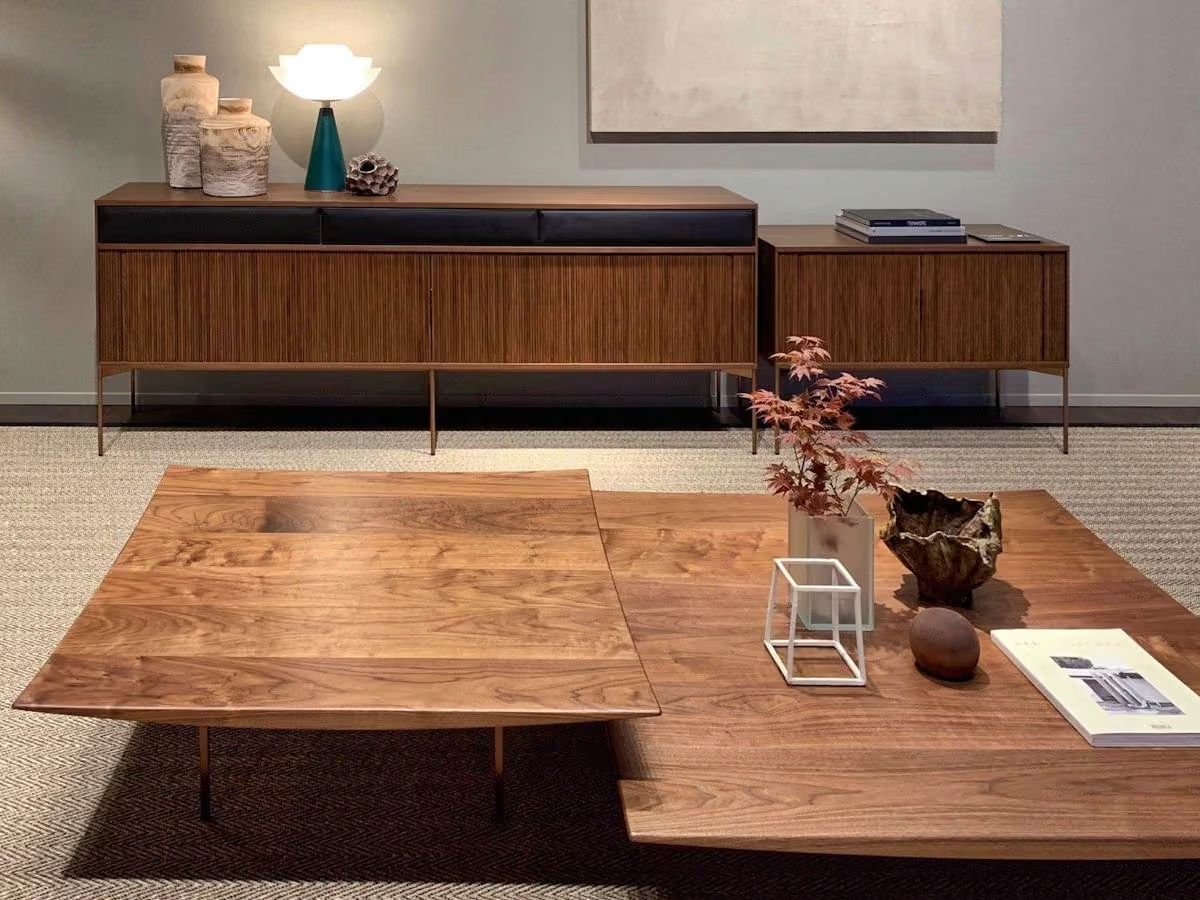
Measure representative objects and check shelf load capacity, supports and fixing. Books and ceramics can be heavier than an ornamental shelf is designed to carry. Follow furniture guidance and use suitable installation for the actual wall. Tall units may require anchoring. Do not let the desire for a visually light display create an unstable arrangement, particularly in homes with children, pets or frequent movement nearby.
Keep fragile pieces away from narrow routes where bags or clothing may brush them. Consider how an object is lifted from the shelf and whether another piece must move first. Heavy items should be placed where the resident can handle them comfortably. General advice cannot establish the right reaching arrangement for every person, so test it with the actual user. A collection is more enjoyable when access feels straightforward rather than risky. The furniture should serve the objects and the person caring for them equally.
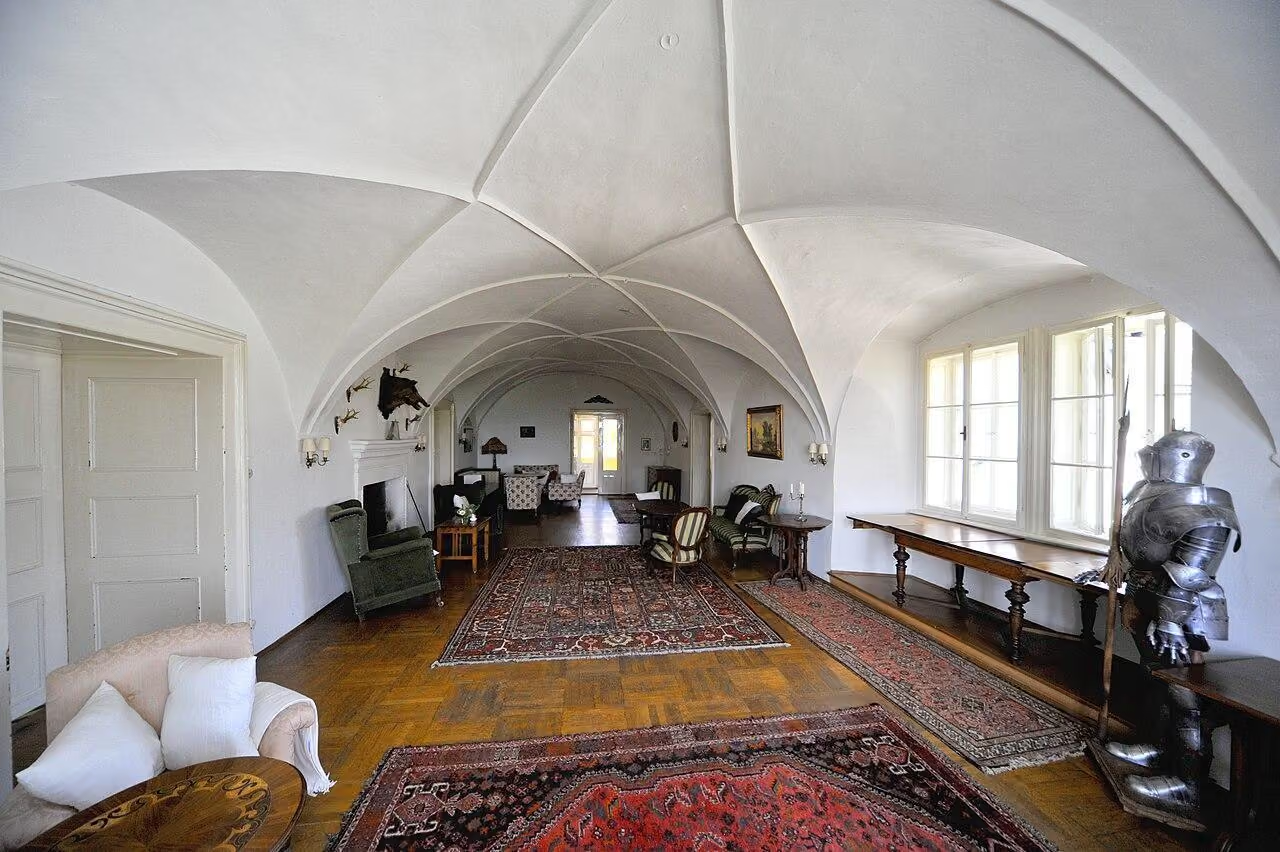
A hallway library needs the same realistic book-load assessment while giving circulation priority. A Hallway Library without a Bottleneck.
Use a quiet background deliberately
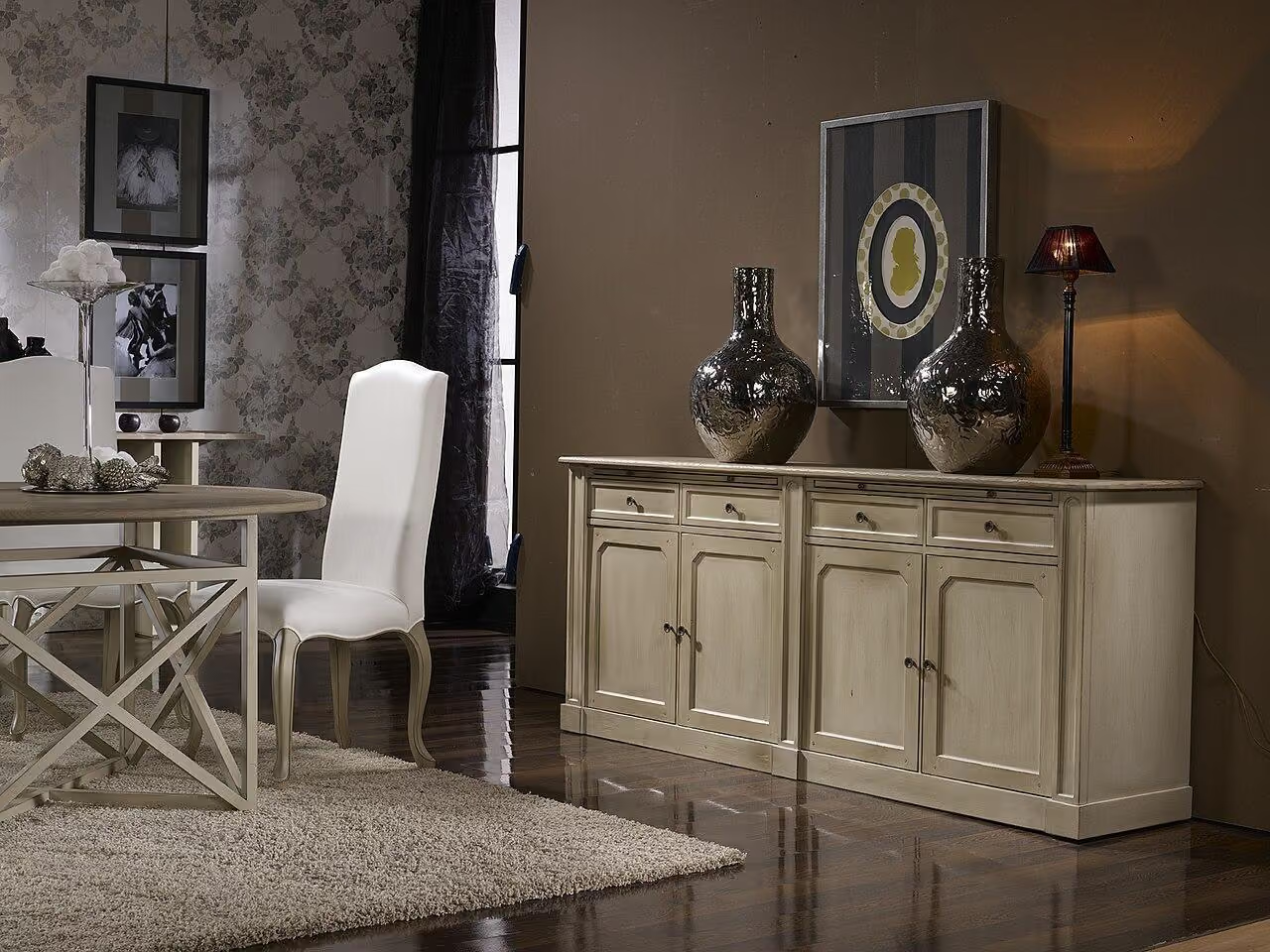
Rose-gray, warm white and a darker cabinet interior can create depth without competing with varied objects. Test the background with the actual collection. A dark field may emphasize a pale ceramic, while a complex patterned wall can make fine details difficult to read. There is no universal best color. The useful choice is the one that allows the objects to retain their individuality within the room’s broader palette.
Keep nearby textiles and large furniture relatively calm if the collection is visually active. This does not require a minimalist room; it creates hierarchy. The sofa, rug and curtains can provide comfort while the display supplies much of the character. Avoid buying extra ornaments simply to fill perceived gaps. A personal collection should not need generic filler to look complete. Let the arrangement change as the resident’s attention shifts, with some pieces resting in storage while others become the focus for a while.
Treat light as care as well as atmosphere
Display lighting should be appropriate to the materials. Some objects may be sensitive to light or heat, so seek relevant preservation guidance where needed. Do not assume a decorative spotlight is harmless because it looks small. Test glare, reflections in glazing and the view from seated positions. The light should reveal the collection without becoming a series of bright points that dominate the living room.
General and task lighting still need to serve reading, conversation and movement. The room is not solely an exhibition space. A gently lit cabinet can coexist with useful local lamps, but the controls should be simple and the installation suitable. Qualified electrical work is required for fixed changes where appropriate. If the budget is limited, a stable well-placed cabinet and good general light may be more valuable than an elaborate integrated lighting system added before the collection’s care needs are understood.
Pictures and photographs introduce additional framing and light-exposure questions within a personal display. A Gallery Wall in a Room with Very Little Wall Space.
Give the reserve collection an appropriate home
Plan the reserve by material and retrieval rather than by the space left in a cupboard. Identify what can share a container, what needs protection and what must not be handled repeatedly for rotation. Keep labels understandable and record any care question requiring suitable specialist advice. If the reserve has no appropriate destination, reduce the proposed rotation instead of treating unseen storage as consequence-free capacity.
Plan dusting and handling realistically. Crowded arrangements can be difficult to clean safely, and frequent rearrangement may create unnecessary risk for fragile pieces. The resident should choose a manageable rhythm rather than feel obliged to restyle constantly. Ask whether damaged supports, cabinet hardware or glazing can be repaired. Complete ownership cost includes protection and maintenance, not just the furniture purchase. More display volume is not always the best investment if it simply increases the area that must be managed.
Trial one shelf before redesigning the room
Clear a small section and arrange a few selected objects with generous space. Live with it and notice whether the pieces become more enjoyable. Use that trial to guide the rest of the display. This scheme is unsuitable when stability or appropriate object care cannot be achieved in the proposed location.
In an imagined afternoon, the resident changes one small group and remembers where each piece came from, without needing to clear the whole room. The collection feels richer because individual objects can be noticed. The design has made space for attention, allowing personal abundance to coexist with comfortable furniture, useful surfaces and the ordinary life happening around the shelves.
Check, record, then decide.
A proposed worksheet for your own observations. Use consistent units for dimensions and keep the conditions with each record.
Selected display group
Where to check On one cleared representative shelf viewed from the entrance and usual seats.
- Record
- List the actual pieces chosen, their dimensions with units where useful and the connections known by the collector; note what becomes easier or harder to see.
- Read the result
- Breathing space can reveal individual objects without requiring a fabricated provenance or a universal sparse style.
- If it does not work
- Reduce the group or change its location while storing other pieces appropriately.
Support and handling
Where to check At the proposed shelves, cabinet fixing and the route used to lift each object.
- Record
- Identify actual dimensions, relevant weights or load information, wall conditions and reach difficulties; record where fragile pieces meet a narrow passing route.
- Read the result
- A visually light installation is not evidence of suitable support or comfortable safe retrieval.
- If it does not work
- Use an appropriate supported system and relocate heavy or vulnerable pieces before filling the display.
Exposure and reserves
Where to check At display light, windows and the storage for items not currently on view.
- Record
- Name sensitive materials, available preservation guidance and intended protection; note direct light, reflections and the handling needed to rotate or dust.
- Read the result
- Unseen reserves still need care, and a decorative spotlight is not automatically appropriate for every collection.
- If it does not work
- Seek relevant preservation advice, reduce exposure or choose a better protected display and storage method.
A practical trial
- Trial one shelf before purchasing more furniture, checking whether the resident enjoys individual pieces more clearly.
- Retrieve and return representative objects without reaching across fragile neighbors or using improvised climbing.
- Plan a manageable cleaning and rotation rhythm, keeping object identification and appropriate protection with reserve items.
Compare the same scope
- A selected display with suitable reserve storage
- Existing furniture upgraded for verified support and protection
- Additional cabinetry only for a demonstrated collection-care need
Cost drivers to discuss: Appropriate load support and anchoring; Protection, preservation advice and suitable lighting; Maintenance area, reserve storage and repairable cabinet details.
Choose another route when: Open display is unsuitable where the objects' environmental, security or handling needs cannot be met by the proposed location and furniture.
The download is a blank record template. Your completed notes remain wherever you choose to keep them; this page has no measurement-submission service.
Sources for this guide
Each reference’s supported point and limits appear beside the relevant passage above. Product documentation applies to the named product, rather than every similar item or the photographed room.
- Canadian Conservation Institute: Caring for Photographic Materials · Read the supported point and its limits
Source text checked November 4, 2026. Specifications can change; confirm the current instructions for the exact item before ordering.
Your questions, considered.
Do I need to display the entire collection at once?
No. Selected groups can make individual pieces more enjoyable, provided the remaining objects have appropriate protected storage. Rotation should suit the collection's care needs and the resident's practical capacity.
How should heavy books or ceramics be displayed?
Use suitable shelf capacity, supports and fixing for the actual loads, and place items where the resident can retrieve them comfortably. A visually light shelf is not evidence of adequate strength.
Should every collection have display spotlights?
No. Some materials are sensitive to light or heat, and good general lighting may suffice. Seek appropriate preservation advice for valuable or delicate objects before adding dedicated display lighting.
About this guide: written with AI assistance for TIANLICHUJU. These are general design ideas, not a measured survey or a completed client project. Any domestic vignette is fictional. Confirm product specifications, site dimensions and local requirements before construction; use qualified professionals for regulated work. Read our editorial approach or suggest a correction.