The decision, with conditions
- Choose this route when
- Choose electric candle-like accents with useful nearby task lighting when the scene can be switched on, used and cleared without sacrificing safe movement or stable places for food and drinks.
- Use the alternative when
- Use one shaded lamp or a simpler dimmable arrangement when a collection of small decorative lights adds batteries, charging and daily handling without improving the desired evening activity.
- Stop or change the plan when
- Do not retain open flames as an essential part of a bedroom or unattended scene; revise the atmosphere around an alternative source and the actual household's operating routine.
Compare the practical options
| Atmospheric goal | Option to test | Keep practical |
|---|---|---|
| Warm background behind the table | A suitable shaded source on nearby furniture | Stable placement and clear cable routes |
| Small sparkling accents | Selective glass or reflective objects | No reflected bright source in a seated sightline |
| A portable tabletop glow | A modest suitable product with an identified home | Serving space and product care or charging instructions |
| Lower evening intensity | Compatible dimming or separate useful sources | An ordinary brighter state for other tasks |
Identify what you like about candlelight
Describe the part of candlelight you actually want: scattered points of brightness, a softly lit face or a room that feels different from daytime. Give each effect a possible electric source, then test the simplest arrangement. Do not let decorative points become the only light for carrying a tray or clearing dishes. The scene should remain practical for the ordinary evening it is intended to support.
A flame independent arrangement can suit households that prefer simpler operation, share space with children or pets, or use the dining table for several activities. It is not a claim that every substitute is appropriate in every setting. Electrical and battery products still need suitable use and care according to their instructions. The design advantage is that atmosphere can become an ordinary repeatable setting, with useful light and clear routes, rather than an elaborate ritual required before each meal.
Use several gentle sources rather than one dramatic object
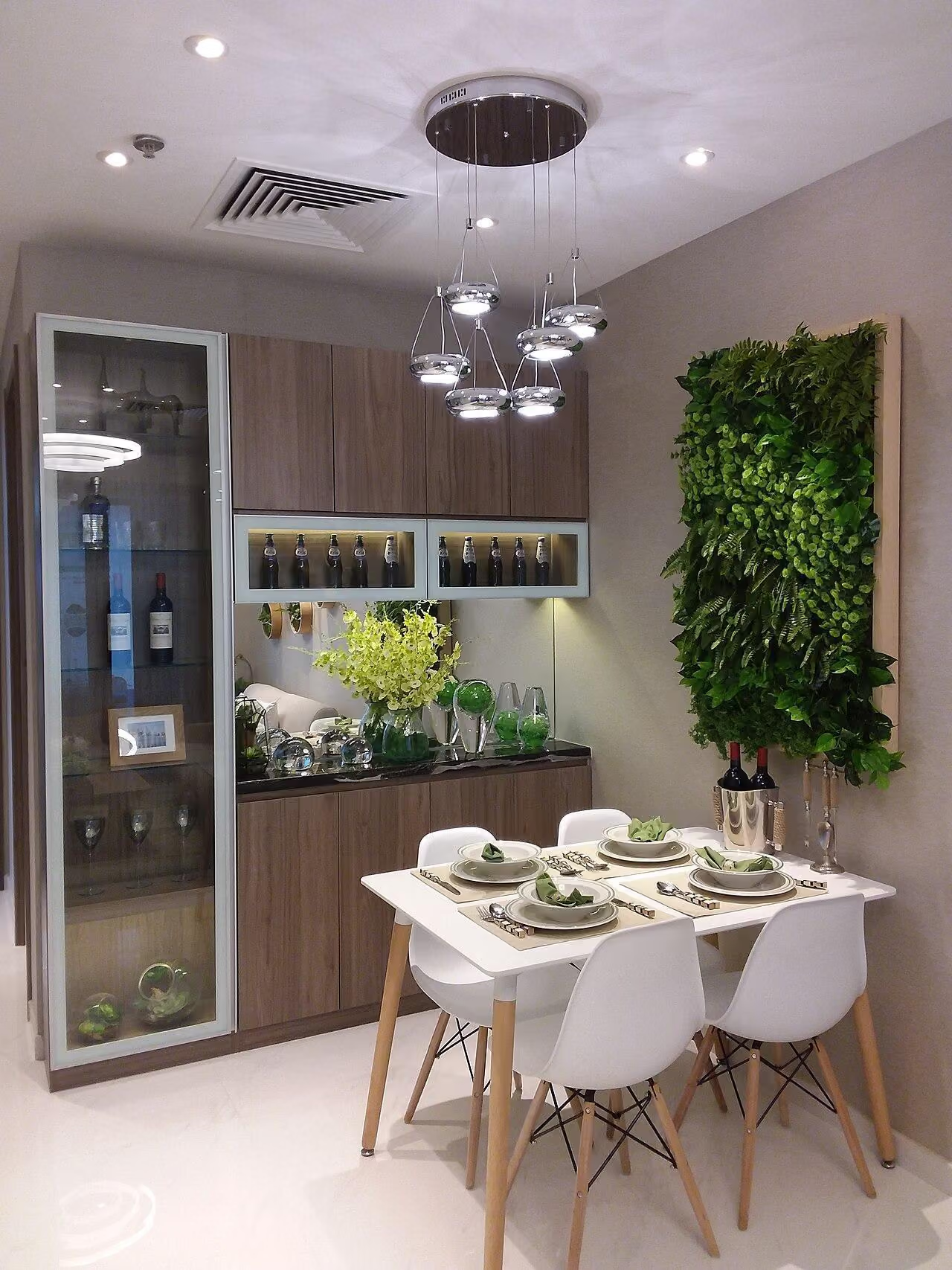
Consider how light reaches the table, the surrounding wall, and the people seated there. A small shaded lamp on nearby serving furniture may add a warm background, while the main fitting provides usable light for food. A modest decorative source can then act as an accent rather than carrying the whole task. The relationship matters more than the number of lights. Too many small points can create visual clutter or reflections that compete with conversation.
Try existing lamps before purchasing. Move a suitable lamp to a safe stable surface near the dining area and assess the result from each chair. Keep cords and equipment out of routes and follow the product's placement instructions. A lamp intended for another environment should not be assumed suitable beside food or moisture. The trial can still reveal whether a low side source creates the desired atmosphere, allowing the eventual product choice to be based on a demonstrated need rather than on its decorative shape.
Keep the table useful for the meal
A candlelike effect does not require filling the center with devices. Lay the table with the actual dishes and serving pieces, then identify what space remains. Small portable lights may be convenient, but they still occupy surface area and can interrupt sightlines. Choose a height and base that do not obstruct faces or the movement of shared dishes. The dining room should be atmospheric while food is present, not only when the table is empty except for its lighting arrangement.
If a light must move during the meal, give it a stable alternative location. Avoid a setup that requires balancing equipment on a chair or floor because the centerpiece has become inconvenient. A nearby sideboard can support a decorative source if part of its surface remains available. Follow the product's operating and charging requirements. A portable form does not remove the need to consider suitable placement, access, and the way it will be returned to use after the meal.
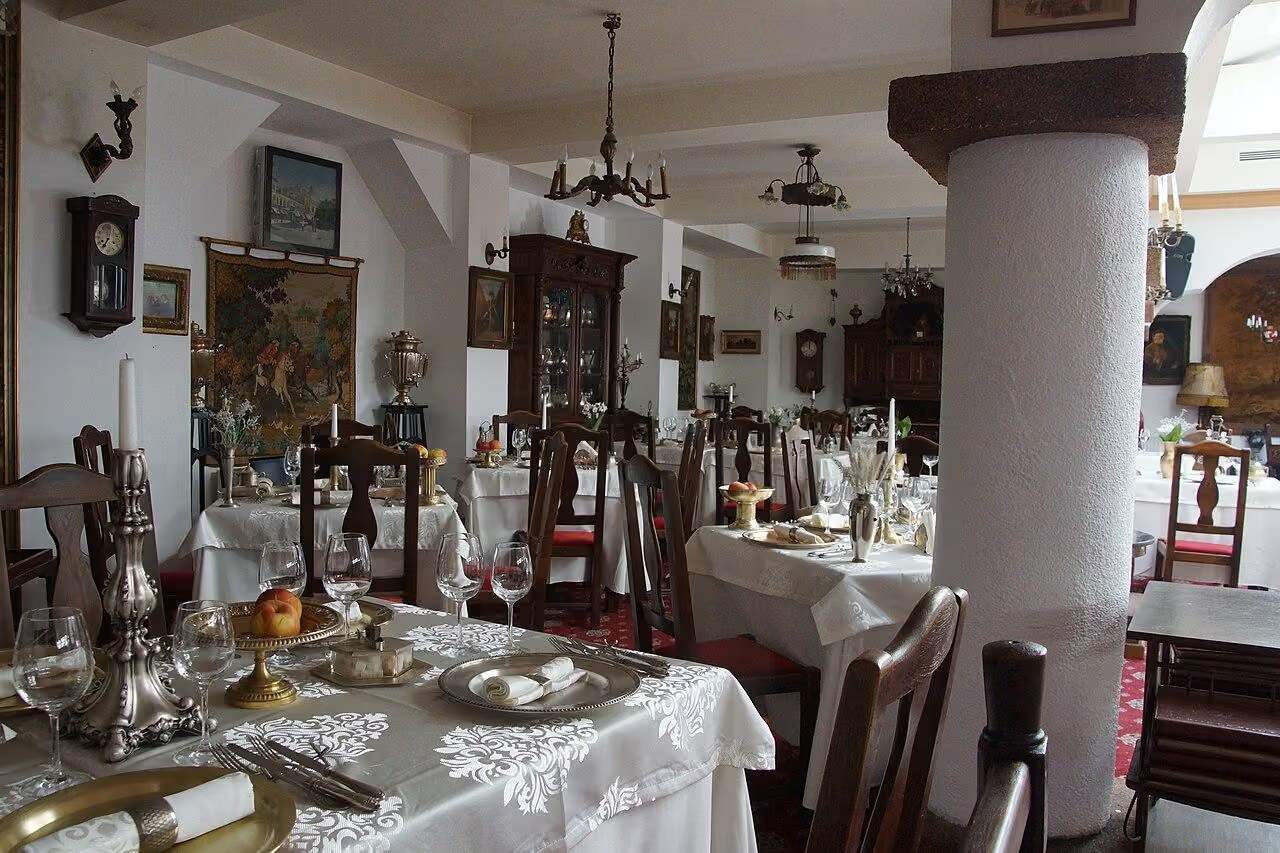
For a richer room whose table remains ready for food, read A richly framed dining room where the table stays clear.
Judge warmth by the room, not by the label alone
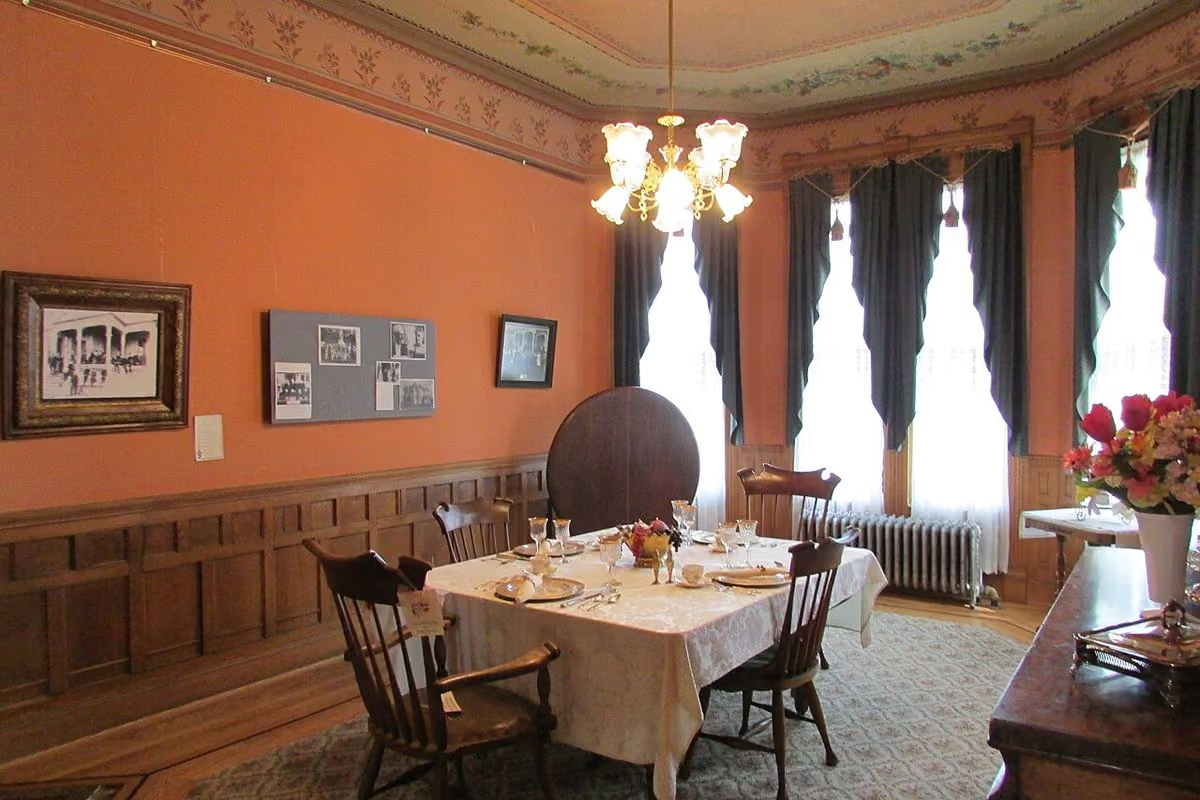
Products described as warm can still look quite different beside the room's materials and other light sources. Compare a sample or a returnable suitable product in the actual setting where possible. Pink walls, timber, glass, and metallic finishes can shift the impression. A very amber effect may be enjoyable as an accent while making food or faces look unusual if it is the only source. Keep an ordinary useful light option available so the atmosphere can be adjusted to the activity and occupants.
Dimming can help where the fitting, light source, and control are compatible. Verify that compatibility rather than assuming any dimmable label guarantees a smooth result with existing equipment. Test low settings for flicker or unstable operation according to product guidance and obtain appropriate advice if there is a problem. The desired effect should not depend on operating a product outside its intended conditions. A simpler source with reliable control may be preferable to a more dramatic fitting that behaves inconsistently.
If pale surfaces also need clearer definition, compare A pale dining room with enough visual contrast.
Use reflection selectively
Glassware, a polished object, or a mirror can extend the impression of small light sources, but reflections can also become glare. Evaluate them from the seated positions. A mirror may reflect an exposed bulb directly toward someone even when it looks attractive from the door. A glossy tabletop can create a bright patch that competes with the meal. Move the source or change the reflective relationship before adding more light. The useful glow is a controlled effect, not the maximum number of sparkling surfaces.
A textured or softly reflective background can provide depth without a sharp image of the source. Compare the actual material rather than assuming a matte finish is always quiet or a metallic one always dramatic. Scale matters too. A small reflective tray may be manageable, while a large mirrored wall can multiply every active element in the room. Keep the room's broader palette and pattern in mind so the lighting effect adds a layer of atmosphere rather than intensifying an already busy composition.
Make the routine simple enough for a weekday
Rehearse the end of the evening as carefully as its first impression. Identify what is switched off, what needs charging and which small pieces have a storage destination. Let another household member repeat the sequence. If maintaining the atmosphere requires collecting many loose objects every night, reduce the number of accents or use a fixed source that produces the valued effect with less handling.
Keep the decorative setting separate from the light needed for clearing and cleaning. After the meal, the room may need a brighter practical state. Make that transition straightforward. A scheme that is attractive only at one low level can become irritating when someone wants to find a dropped item or read a label. Flexibility is part of a successful atmospheric room, allowing the same space to support dinner, work, and cleanup without changing the entire arrangement of objects.
Keep the effect proportionate to the occasion
Try the arrangement through an ordinary meal, including serving and clearing. Ask whether people can see one another and whether the light feels pleasant without being constantly noticed. If the effect dominates conversation or the devices consume useful space, simplify. You may need only a side lamp and a lower setting on the main fitting. A restrained result can feel more intimate than a large display because it leaves attention available for the people at the table.
The finished room can suggest candlelit warmth through its pattern of brightness, reflective details, and calm background while remaining independent of open flames. It need not imitate a candle exactly. Its value is a reliable atmosphere that can be adjusted and maintained with modest effort. The table stays available, routes remain clear, and the room can return to an ordinary useful setting immediately. That makes the mood part of daily life rather than an occasional performance that the household must prepare around.
Check, record, then decide.
A proposed worksheet for your own observations. Use consistent units for dimensions and keep the conditions with each record.
Light effect rather than candle form
Where to check From each dining seat with a suitable trial side source and ordinary table light operating.
- Record
- Describe useful pools of light, visible faces and reflections that feel pleasant or distracting.
- Read the result
- The desired atmosphere may not require a tabletop object or literal flame imitation.
- If it does not work
- Use a simpler shaded source or adjust the ordinary lighting relationship.
Meal space and sightlines
Where to check Across the table laid with real food and dishes, including the tallest proposed decorative source.
- Record
- Note blocked faces, interrupted serving paths and clear surface dimensions in centimeters.
- Read the result
- A small portable light can still occupy space the meal requires.
- If it does not work
- Move it to a stable suitable nearby surface or reduce the arrangement.
Repeatable operating routine
Where to check At the controls, appropriate charging or battery-maintenance location and brighter cleanup setting.
- Record
- List the steps and product instructions required to start, maintain and end the scene.
- Read the result
- An atmospheric setup is not convenient if it depends on several depleted or inaccessible devices.
- If it does not work
- Reduce the product count and keep a clear practical lighting option.
A practical trial
- Use the arrangement through serving and clearing rather than judging only the empty table.
- Compare warm light with the actual pink, timber or metallic finishes and retain a useful ordinary alternative.
- Check reflected sources in mirrors and glass from occupied positions before adding more reflective accessories.
Compare the same scope
- Useful table and background light roles
- Occupied surface and sightline footprint
- Compatible control or dimming arrangement
- Product care and routine maintenance
Cost drivers to discuss: Suitable local lighting products; Compatible control changes; Additional provision or accessible charging location.
Choose another route when: A decorative light arrangement is unsuitable when it consumes necessary serving area or leaves no convenient practical setting for other dining tasks.
The download is a blank record template. Your completed notes remain wherever you choose to keep them; this page has no measurement-submission service.
Sources for this guide
Each reference’s supported point and limits appear beside the relevant passage above. Product documentation applies to the named product, rather than every similar item or the photographed room.
Source text checked November 4, 2026. Specifications can change; confirm the current instructions for the exact item before ordering.
Your questions, considered.
Do I need imitation candles for a candlelit feeling?
No. Small pools of light, warm reflections and a quieter background can create atmosphere without literal candle forms.
How can I keep atmospheric lighting from crowding dinner?
Lay out the actual meal first and choose only the remaining suitable space. Consider nearby serving furniture and provide an alternative stable location for movable products.
Why should a dining lighting scheme have a brighter setting?
Serving, reading, clearing and finding dropped objects need practical visibility. Atmosphere should be an available state rather than the room's only usable setting.
About this guide: written with AI assistance for TIANLICHUJU. These are general design ideas, not a measured survey or a completed client project. Any domestic vignette is fictional. Confirm product specifications, site dimensions and local requirements before construction; use qualified professionals for regulated work. Read our editorial approach or suggest a correction.