The decision, with conditions
- Choose this route when
- Choose visible rustic character where its prepared contact surfaces remain comfortable and sound, keeping rougher expression in places that do not snag fabrics or interrupt ordinary movement.
- Use the alternative when
- Use a smoother suitable edge or another known timber piece when a favored texture fails the touch trial; preserve character through grain and contrast rather than compulsory roughness.
- Stop or change the plan when
- Stop sanding or refinishing an uncertain old coating until its condition and relevant hazards are understood; an aged appearance is not evidence of an appropriate indoor surface.
Compare the practical options
| Rustic element | Acceptable character to assess | Separate issue to resolve |
|---|---|---|
| Weathered table face | Visible grain and irregular color | Splintering edges, unstable glasses or snagged fabric |
| Reclaimed timber | A known prepared material with history | Unknown coatings, contamination or unsuitable condition |
| Stone or brick background | An expressive rough surface | Loose material, dust and inappropriate sealing |
| Coarse upholstery | Tactile interest where welcome | Skin comfort, snagging and realistic cleaning |
Keep character where it can be enjoyed
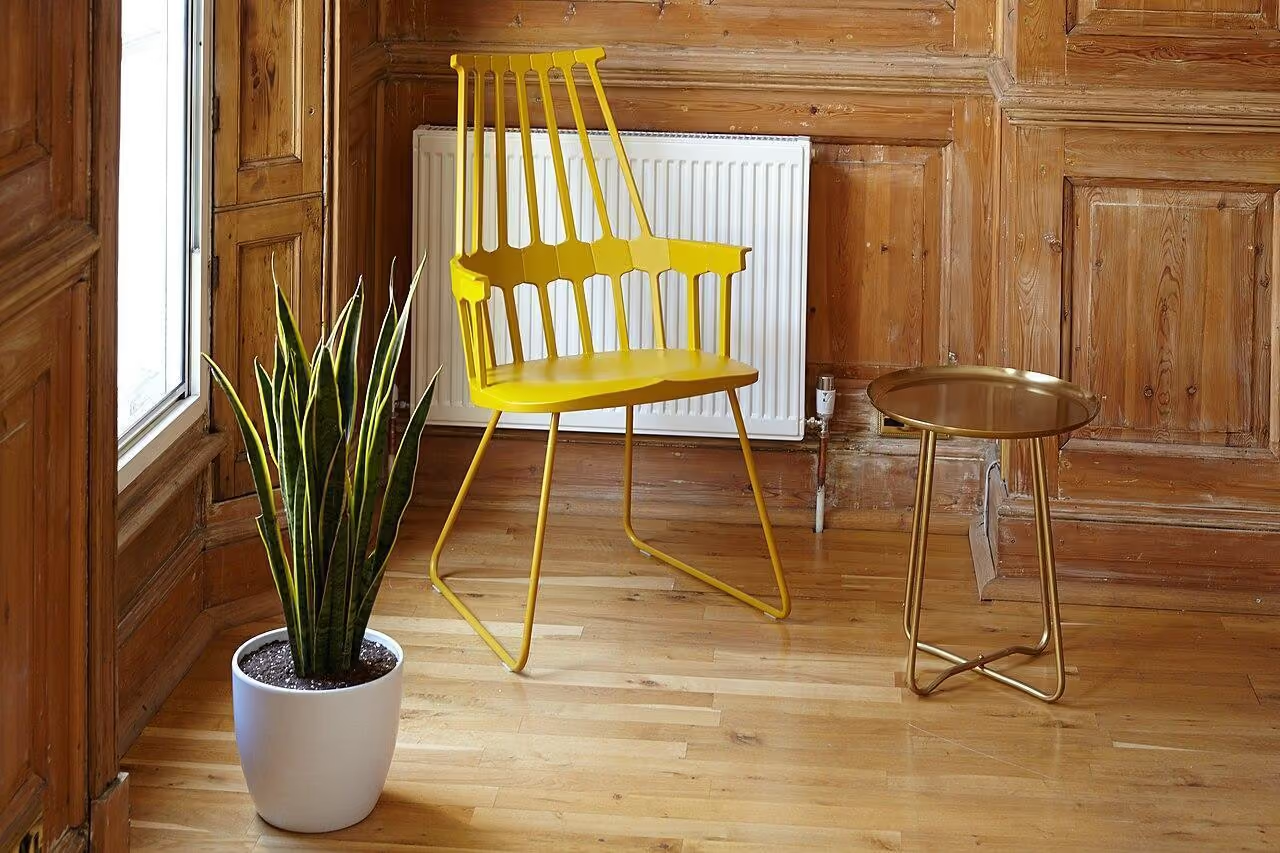
Separate surfaces people admire from surfaces they touch. A rough wall element and a hand-resting table edge have different jobs, even when they share the same rustic finish. Map skin, fabric and cleaning contact before deciding which texture to keep expressive. Unknown old coatings also require investigation before any proposed disturbance.
This approach suits people who enjoy aged timber, stone, and substantial textiles but do not want to live around furniture that snags clothing or sheds grit. It also helps when combining inherited pieces with newer construction. A piece can keep its irregular face while receiving a carefully finished touch edge, provided the work is suitable for the material and its significance. Rustic character does not depend on every surface remaining rough, and comfort does not require erasing every trace of age.
Make a map of hands, feet, and fabrics
Test contact points separately from the broad decorative field: the coffee-table edge, underside of a pull, chair arm and the path of a blanket being retrieved. Record the exact snag or uncomfortable point rather than calling the entire piece too rustic. A competent maker may be able to refine that detail while retaining visible grain elsewhere. Do not begin an improvised stripping or sanding trial on an unknown old coating; material condition and appropriate preparation must be resolved before the touch test becomes a finishing project.
Try representative materials before buying. Slide the type of fabric used on your clothing or throws gently across a sample, inspect exposed joints, and feel the edges you will handle. Do not perform destructive tests on a seller's piece without permission. Ask what preparation and finish have already been applied and whether the surface is intended for furniture use. A board sold for decorative cladding may not be ready to become a tabletop simply because it has the desired color and weathered appearance.
Reclaimed timber needs a known condition
The word reclaimed describes an origin, not a complete specification. Ask what is known about the timber's previous use, treatment, condition, and preparation. Old coatings or contamination can require assessment beyond ordinary sanding, and unknown material should not be brought indoors on appearance alone. A reputable supplier should be able to explain what has been done to make the product appropriate for its intended use. If that information is missing, a new timber product with a suitable finish may be the more sensible choice.
Inspect stability and construction separately from surface character. Checks, knots, and irregular grain may be part of the desired look, but a loose joint or unstable base is a different issue. Seek competent repair advice for furniture that moves unexpectedly or has damaged connections. Do not use a decorative finish to disguise a structural problem. The room will feel more relaxed when objects can be handled normally, without instructions to avoid leaning on a particular edge or moving a table from one side.
Before turning reclaimed timber into wall-mounted kitchen storage, see A rustic kitchen shelf specified for indoor conditions.
Give stone and masonry a controlled boundary
Exposed stone or brick can provide a strong rustic background, but it should not automatically extend to every contact surface. Dust, friable mortar, and uneven projections can affect nearby furniture and cleaning. Assess the wall's actual condition before placing a pale sofa against it or adding a textile that rubs along its face. If repair or sealing is proposed, use advice suitable for the existing construction rather than applying a generic coating because it promises a cleaner appearance.
A smooth timber ledge, a simple hearth edge, or a carefully detailed junction can make a rough surface easier to live beside. The boundary should be appropriate to the setting and any heat or building requirements involved. Where a fireplace is present, follow the appliance and installation requirements and obtain qualified guidance for changes. A material's rustic appearance does not establish its suitability near heat. The visible contrast between rough background and refined contact edge can become a design strength when the practical requirements are resolved first.
Avoid layering every kind of roughness
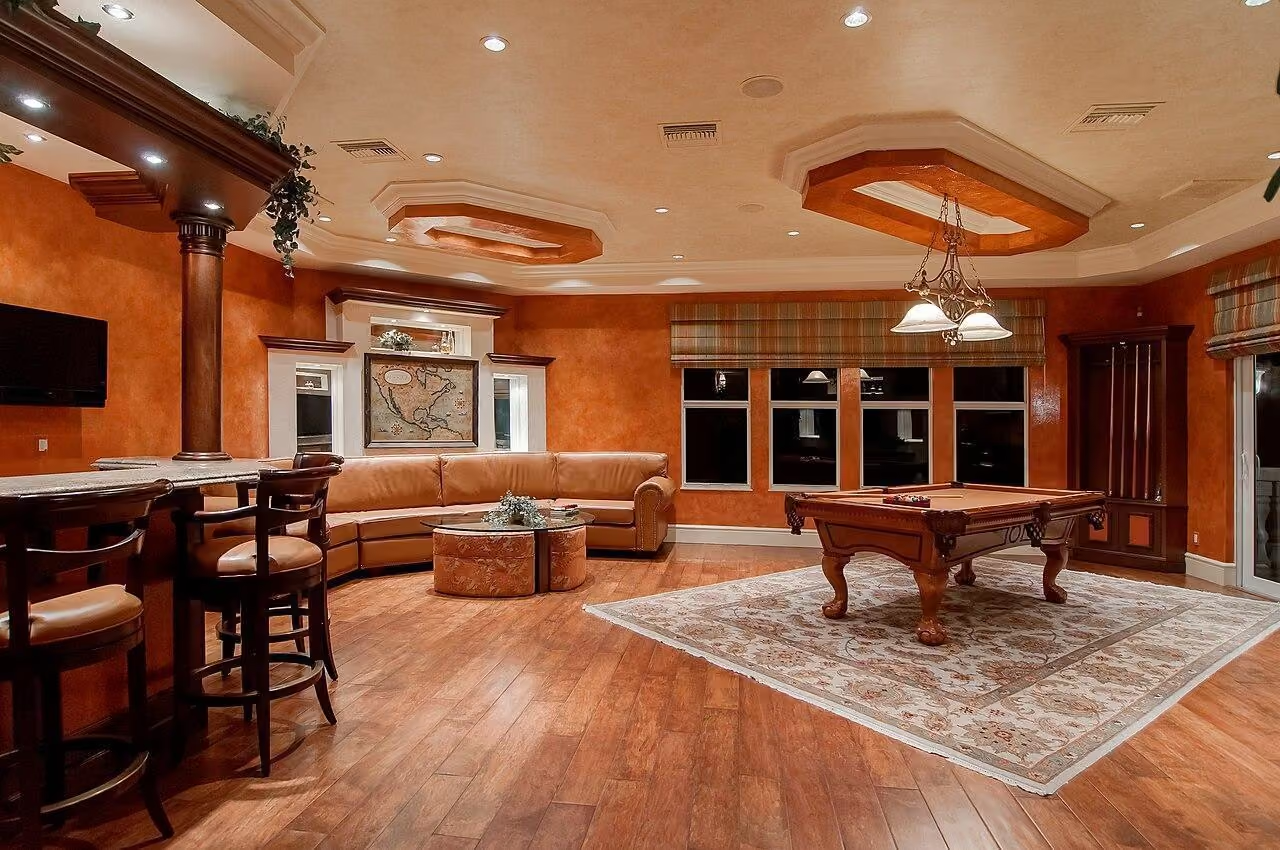
A room with a textured wall, coarse rug, rough table, distressed cabinet, and heavily patterned upholstery can become visually and physically demanding. Choose a main source of rustic character and let some surfaces remain quiet. A worn timber table can sit beside a plain washable sofa fabric. Stone can be balanced by a smooth painted cabinet. These contrasts make each material easier to appreciate and reduce the number of different cleaning methods needed in a single seating area.
Textiles deserve particular scrutiny because their texture meets skin and clothing directly. A coarse weave may be enjoyable as a small cushion cover but irritating across an entire seat. Test samples for the intended contact and read the care instructions. If pets or children use the room, consider how the construction responds to the actual activities rather than relying on a general claim that rustic materials are forgiving. Some visible wear may be welcome; snagging, unstable fibers, and difficult cleaning are separate questions.
To assess a rough surface through meals, games and drinks, compare A farmhouse living room where the timber table has a job.
Repair without pretending the piece is untouched
A useful repair can remain honest about what changed. A smoothed edge need not be distressed again to imitate damage, and a replaced handle can be chosen for comfortable use rather than false age. If a piece has historic or sentimental significance, discuss the scope with a suitable conservator or restorer before irreversible work. For ordinary furniture, clarify which surfaces can be refinished and what the result is expected to look like. Photographs of a similar piece cannot guarantee the same color on different timber.
Keep the maintenance routine proportionate to the household. Identify the product approved for cleaning, the response to spills, and the way the piece can be moved. Avoid accumulating several overlapping oils, waxes, or coatings without knowing their compatibility. The most attractive patina is often the one that develops through ordinary use on a well prepared surface. A deliberate finishing decision can allow the material to age without making the room feel fragile.
Before calling the room complete, use every seat and every frequently handled storage piece. Put down a drink, pull out a blanket, open a drawer, and walk the usual route in the lighting you normally use. Any moment that causes hesitation deserves attention. The finished room can retain rough grain, irregular color, and a strong connection to natural material while offering smooth contact where it matters. That distinction turns rustic design from a collection of visual effects into a comfortable place to spend time.
Check, record, then decide.
A proposed worksheet for your own observations. Use consistent units for dimensions and keep the conditions with each record.
Contact map
Where to check Along table edges, chair arms, cabinet pulls and the path used to retrieve a blanket.
- Record
- List the surface touched by hands, bare feet or fabric and note snagging or uncomfortable edges.
- Read the result
- Decorative texture and contact texture have different requirements even on the same piece.
- If it does not work
- Refine appropriate touch edges or move expressive roughness to a less handled location.
Reclaimed material information
Where to check In supplier records for the actual timber or furniture, before purchase or irreversible refinishing.
- Record
- Record known previous use, treatment, preparation and unanswered condition questions.
- Read the result
- A reclaimed label does not establish that unknown coatings or material are suitable for indoor furniture.
- If it does not work
- Choose material with a clearer specification or obtain appropriate assessment before proceeding.
Condition versus character
Where to check At joints, feet, loose masonry and the underside of frequently handled surfaces.
- Record
- Separate visible grain or color variation from movement, loose material and damaged connections.
- Read the result
- Instability and shedding should not be accepted merely as an aged appearance.
- If it does not work
- Resolve condition with suitable repair advice before introducing the piece into everyday use.
A practical trial
- With permission, pass a representative cloth gently across an approved sample and inspect the edges it catches.
- Sit in every regular place and use the drawer, drink surface and textile storage under normal evening light.
- Obtain material-specific cleaning and repair instructions before combining oils, waxes or other finishes.
Compare the same scope
- Actual contact surfaces and edge treatment
- Documented reclaimed preparation
- Structural and surface condition
- Permitted cleaning and local repair method
Cost drivers to discuss: Assessment and preparation of reclaimed material; Joinery or surface repairs; Suitable finishing and specialist conservation where relevant.
Choose another route when: Do not retain a rough or aged effect where it prevents dependable handling or conceals an unresolved material or structural problem.
The download is a blank record template. Your completed notes remain wherever you choose to keep them; this page has no measurement-submission service.
Sources for this guide
Each reference’s supported point and limits appear beside the relevant passage above. Product documentation applies to the named product, rather than every similar item or the photographed room.
Source text checked November 4, 2026. Specifications can change; confirm the current instructions for the exact item before ordering.
Your questions, considered.
Can rustic furniture keep rough faces but smooth edges?
Yes. Decorative faces and frequently touched edges have different jobs. Refining contact points can preserve character while making the piece more comfortable.
Does sanding make any reclaimed board suitable indoors?
No. Previous treatment, contamination and condition may require assessment beyond sanding. Ask a knowledgeable supplier about preparation and intended use.
Should I distress a repair to make it look old?
Not necessarily. A useful repair can remain honest. Obtain suitable advice before irreversible work on historically or personally significant pieces.
About this guide: written with AI assistance for TIANLICHUJU. These are general design ideas, not a measured survey or a completed client project. Any domestic vignette is fictional. Confirm product specifications, site dimensions and local requirements before construction; use qualified professionals for regulated work. Read our editorial approach or suggest a correction.