The decision, with conditions
- Choose this route when
- Choose the pale covered sofa when its actual comfort and complete care instructions fit the household's facilities and effort, with a demonstrated removal process and understood replacement support.
- Use the alternative when
- Use a more forgiving tone, another fabric, or an informed professional-care route when the desired removable cover cannot be conveniently washed and dried as specified.
- Stop or change the plan when
- Stop relying on the words removable or washable if the largest section, safe equipment capacity, refitting method, or exact product support remains unknown.
Compare the practical options
| Cover-system promise | Evidence to obtain | Practical decision |
|---|---|---|
| Removable | A demonstration or clear instructions for body and cushions | Can the household reasonably perform the process? |
| Washable | Exact cycle, equipment, drying, and fitting guidance | Do the actual laundry facilities suit the largest section? |
| Replaceable | Model, size, fabric code, and current supplier support | What happens if a component is damaged later? |
| Relaxed pale appearance | Real fabric touch and daily seating setup | Choose a tone and routine that invite ordinary use |
A pale sofa should invite use rather than caution
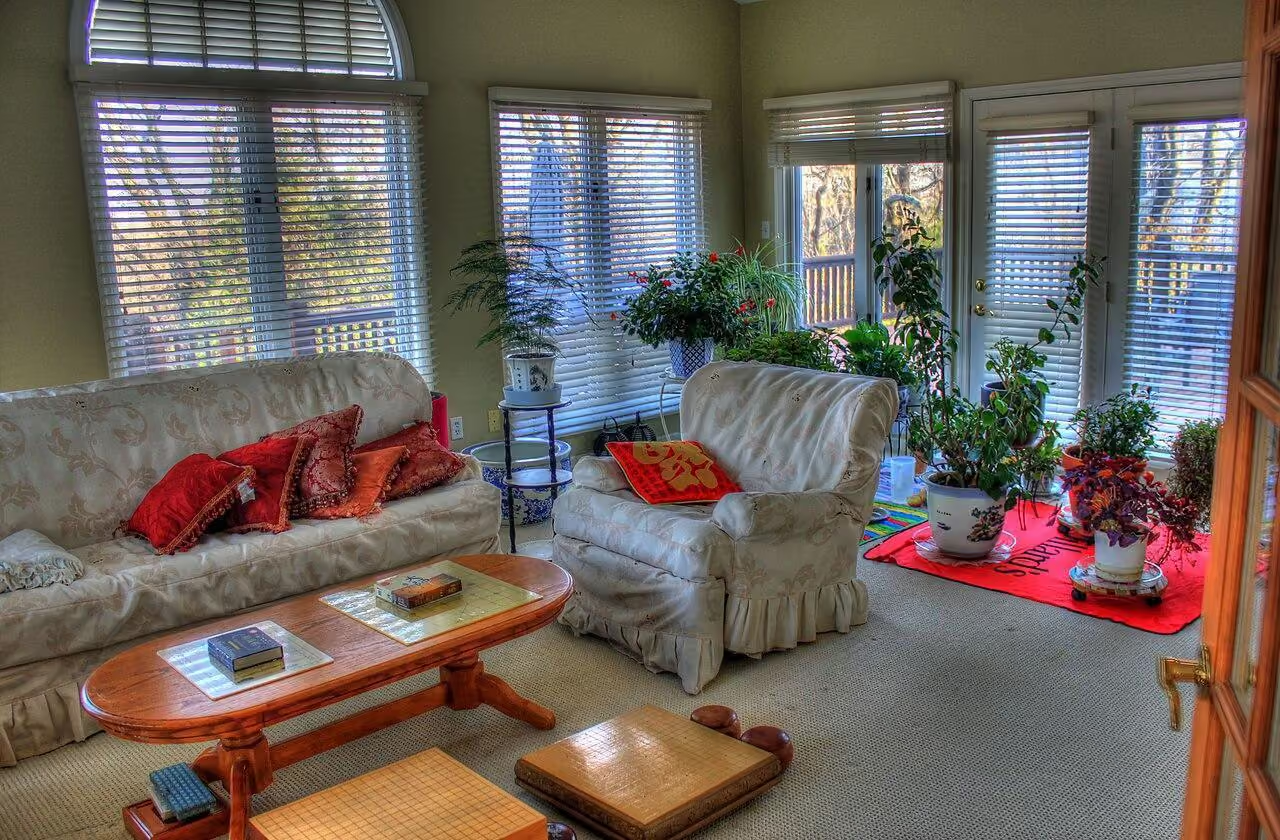
A coastal-inspired living room can feel relaxed through light surfaces, washed color, and natural-looking texture. A pale sofa often becomes the center of that image. The promise of a removable cover can make the choice seem straightforward, but removable and conveniently washable are not the same thing. The useful decision depends on the cover's instructions, its size, the effort of taking it off, and the household's actual laundry facilities.
Match the cover process to everyday use before choosing the palest color. The main seat should invite ordinary life, not depend on permanent protective layers or warnings to preserve its image.
Read the complete care information
Ask for the instructions for the exact cover and fabric being considered. A sample labeled washable may not explain temperature, cycle, drying, ironing, or restrictions on cleaning individual sections. Do not infer those details from fiber content or a sales description. Different constructions and finishes can require different care even when both look like plain cotton or linen.
Check whether the cover is designed for home washing, professional cleaning, or another specified method. Ask what the supplier recommends for routine marks and what actions could affect fit or appearance. The goal is not to find a universal easy-care fabric. It is to choose a product whose real requirements fit the person responsible for maintaining it.
Inspect the removal process
Request removal and refitting instructions for both the body and cushion covers. Note assistance, fastening, and handling needs; technically removable does not mean a convenient repeated home-care task.
Consider how the cover is put back on according to the instructions. Tight tailoring can produce a crisp outline but require careful fitting. A relaxed slipcover may be easier in some designs, yet its appearance and movement will differ. Choose the construction intentionally rather than expecting one product to provide both a tailored image and an effortless reset without tradeoffs.
Compare the cover with the actual laundry setup
Measure the largest removable section and ask the supplier about suitable washing equipment. Do not assume a domestic machine can accommodate it safely simply because the cover can be removed. The relevant machine and fabric guidance should be followed. An overloaded or unsuitable wash is not a reasonable maintenance plan for a costly piece of furniture.
Drying space is equally important. A large cover may need a particular method or substantial room to dry. Think about the season when cleaning is most likely to be needed and whether the sofa can remain partly uncovered during that period. If the household cannot perform the specified process conveniently, another fabric or a supported professional-care route may be more realistic.
If the cover's drying needs expose a wider laundry-space problem, compare A Small Apartment with a Real Place for Laundry.
Ask about replacement availability
A replacement cover can make a sound sofa more adaptable, but availability should be checked rather than assumed. Ask which models and sizes are supported, whether the system is proprietary, and what information should be retained. Keep the exact product, size, fabric code, and care record. A general photograph of a pale sofa is not enough to identify a later replacement.
Do not expect a new section to match an older one perfectly. Light exposure, wear, and product variation can affect appearance. Discuss whether replacing a complete cover or a single component is the realistic route. The value of a cover system lies in its actual support and construction, not merely the reassuring word replaceable in a description.
Test the fabric as a touch surface
Sit on the actual upholstery where possible. A textured pale cloth can look inviting while feeling coarse against bare arms or catching on clothing. Consider how the seat behaves during a long evening, not only how it appears beneath a showroom light. The sofa's support, seat depth, and ease of rising remain more important than the cover's color.
Ask for samples and permitted care demonstrations rather than improvising damaging stain tests. Evaluate the fabric beside the room's floor, curtains, and daylight. A warm off-white may work better than a stark white, or a slightly deeper washed tone may reduce the maintenance anxiety while preserving the light atmosphere. Coastal character does not require the palest possible fabric.
Give the pale sofa a practical setting
A light timber table, washed blue or sea-glass green accent, and a restrained background can support the sofa without nautical props. Keep a reachable surface beside the main seats so that drinks and food do not balance on the upholstery. A suitable tray or side table can reduce avoidable spills more usefully than another decorative cushion.
Plan the route from outside doors and the household's normal landing points. Shoes, wet coats, and pet routines may suggest a different sofa position or a more appropriate entry surface. The design should respond to those habits rather than expect everyone to protect a pale seat through constant vigilance. A relaxed room is one whose practical setting makes relaxed behavior reasonable.
For a seating setup shared with pets, explore A Pet-Friendly Living Room That Still Feels Considered.
Keep protection compatible with the product
A washable throw may be useful in a particular seat or during a predictable activity, but it should not conceal a fundamentally unsuitable fabric choice. Follow the sofa and textile guidance, and avoid assuming that a third-party treatment is appropriate without checking. Product-specific information is more reliable than a blanket promise of stain resistance or easy cleaning.
If a throw is used, give it a clear home when removed and choose a manageable size. Layers can make the room warmer, but they also add laundry and visual activity. A few useful pieces are enough. The goal is a sofa that remains available for ordinary life, not an attractive seat permanently buried beneath protective textiles.
Compare the full care cost before buying
Consider purchase, delivery, removal effort, cleaning, drying, replacement covers, and the ability to repair the underlying frame and cushions. A cheap removable cover may not be economical if its supported care is impractical. A more expensive product may be worthwhile when the complete system suits the household, but price alone does not establish convenience or durability.
In a fictional afternoon, someone settles into the pale sofa with a book and a cup placed safely on a nearby table. The room feels light without demanding caution. Before ordering, confirm the exact care label, removal demonstration, laundry capacity, drying method, replacement support, touch, everyday setting, and total care. The most convincing coastal sofa is one the household can comfortably use and confidently maintain.
Check, record, then decide.
A proposed worksheet for your own observations. Use consistent units for dimensions and keep the conditions with each record.
Actual removal and refitting
Where to check At the exact sofa model with its body cover, separate cushions, zips, and fastenings represented.
- Record
- Request a demonstration or clear instructions; note assistance needed, sections that must move, fitting sequence, and the largest cover's dimensions in centimeters.
- Read the result
- Removable describes construction, not convenient home washing, easy refitting, or the household's ability to handle a wet cover.
- If it does not work
- Choose another supported cover system or an informed professional-care route if the real process is unreasonable.
Laundry and drying match
Where to check Beside the actual washing equipment and the space available for the prescribed drying method.
- Record
- Match the exact care label to equipment guidance, cover size, permitted cycle, drying, and fitting instructions; list any unresolved compatibility.
- Read the result
- A fabric sample or generic washable label cannot establish machine capacity, shrinkage behavior, or permission to improvise a different process.
- If it does not work
- Do not overload equipment or invent care methods; select a practical alternative when the specified process does not fit the facilities.
Replacement and everyday setting
Where to check At the proposed sofa beside its reachable table, entrance route, and normal pet or family activities.
- Record
- Retain model, size, fabric code, actual supplier support information, and touch feedback; note routines that repeatedly place wet or dirty items on the seat.
- Read the result
- Current replacement information is not a guarantee of future availability or an exact color match after wear.
- If it does not work
- Choose a more forgiving tone or routine-compatible fabric rather than expecting permanent protective layers to rescue an unsuitable main seat.
A practical trial
- Read the complete label for the exact cover, not just its fiber name.
- Ask how one damaged section is replaced and whether a new piece may differ.
- Place a normal cup safely on a reachable table during the seating trial.
Compare the same scope
- Sofa comfort and cover construction
- Prescribed removal, washing, drying, and refitting
- Replacement support, upholstery care, and daily setting
Cost drivers to discuss: Professional cleaning or oversized laundry requirements; Proprietary replacement cover systems; Transport, spare covers, and cushion repairs.
Choose another route when: A pale removable cover is unsuitable when its cleaning, drying, refitting, or routine use creates a care burden the household cannot realistically sustain.
The download is a blank record template. Your completed notes remain wherever you choose to keep them; this page has no measurement-submission service.
Sources for this guide
Each reference’s supported point and limits appear beside the relevant passage above. Product documentation applies to the named product, rather than every similar item or the photographed room.
Source text checked November 4, 2026. Specifications can change; confirm the current instructions for the exact item before ordering.
Your questions, considered.
Are removable sofa covers always machine washable at home?
No. Follow the exact fabric and cover instructions, including suitable equipment, washing, drying, and refitting. Removal alone does not establish a convenient home-laundry process.
What should I ask about a replacement sofa cover?
Confirm support for the actual model and size, retain product and fabric codes, and discuss whether a later section may differ from an older cover in appearance.
How can a pale sofa remain relaxed around everyday life?
Choose care the household can sustain, test fabric comfort, and provide reachable tables and sensible entry routines. A main seat should not depend on constant warnings or permanent protective layers.
About this guide: written with AI assistance for TIANLICHUJU. These are general design ideas, not a measured survey or a completed client project. Any domestic vignette is fictional. Confirm product specifications, site dimensions and local requirements before construction; use qualified professionals for regulated work. Read our editorial approach or suggest a correction.