The decision, with conditions
- Choose this route when
- Choose a tea corner when a comfortable seat, reachable cup surface and manageable route from suitable brewing equipment already form a clear ordinary sequence.
- Use the alternative when
- Keep brewing in the kitchen and bring a prepared drink to an existing chair when moving the appliance would create more heat, moisture or power complications.
- Stop or change the plan when
- Do not install the proposed station if it requires unstable hot-water handling, unsuitable equipment placement or removal of a necessary household route.
Compare the practical options
| Tea-corner choice | Works when | Test before committing |
|---|---|---|
| Brewing at the corner | Equipment, power and surface conditions are appropriate | The full hot-water process follows product guidance |
| Brewing in the kitchen | The sitting area lacks suitable operating conditions | Finished drinks can be carried on a manageable route |
| Tray on a stable table | The loaded tray is easy to handle | Actual cups fit without a sliding or soft base |
| Existing sofa and side surface | A new pair of chairs would crowd the room | Every drinker can sit and reach comfortably |
Give the pause a practical foundation
Choose the seat and cup landing position before buying a tea cabinet. Then decide whether the corner needs brewing equipment at all. If the kitchen already offers appropriate power, a suitable surface and an easy route, carrying the finished drink may be simpler than duplicating the station. The design decision is the complete pause-and-cleanup sequence, not the number of tea objects displayed.
This approach suits someone who already enjoys a regular tea ritual and wants a more comfortable place for it. It is not a promise that a room will produce relaxation on demand. The design can offer a useful surface, gentle light and a seat that invites a pause. The resident decides how that pause is used. Romantic atmosphere is most convincing when it grows from ordinary care rather than from a large collection of decorative teaware that is rarely touched.
Keep hot water on a safe and manageable route
Keep the intended kettle's placement instructions beside the room plan and test the proposed surface against them. Then separate brewing from sitting: decide whether duplicating equipment genuinely shortens the routine or only moves hot water closer to soft furnishings. If suitable operation cannot be established in the corner, leave brewing in the kitchen and plan the finished-drink route instead.
A tray can gather the ritual, but its size and load need to be manageable for the person using it. Test it with the actual cups and pot rather than empty. Handles and a stable base may matter more than a decorative finish. Do not rely on a soft ottoman as a hot-drink surface unless a suitable stable arrangement is specifically provided. The aim is to reduce awkward reaching and carrying, not to create a beautiful obstacle course between the kettle and the chair.
Equipment-based drink preparation has a different footprint from the quiet place where the drink is enjoyed. A Coffee Corner That Is More Than a Styled Shelf.
Choose the seat for the way the person pauses
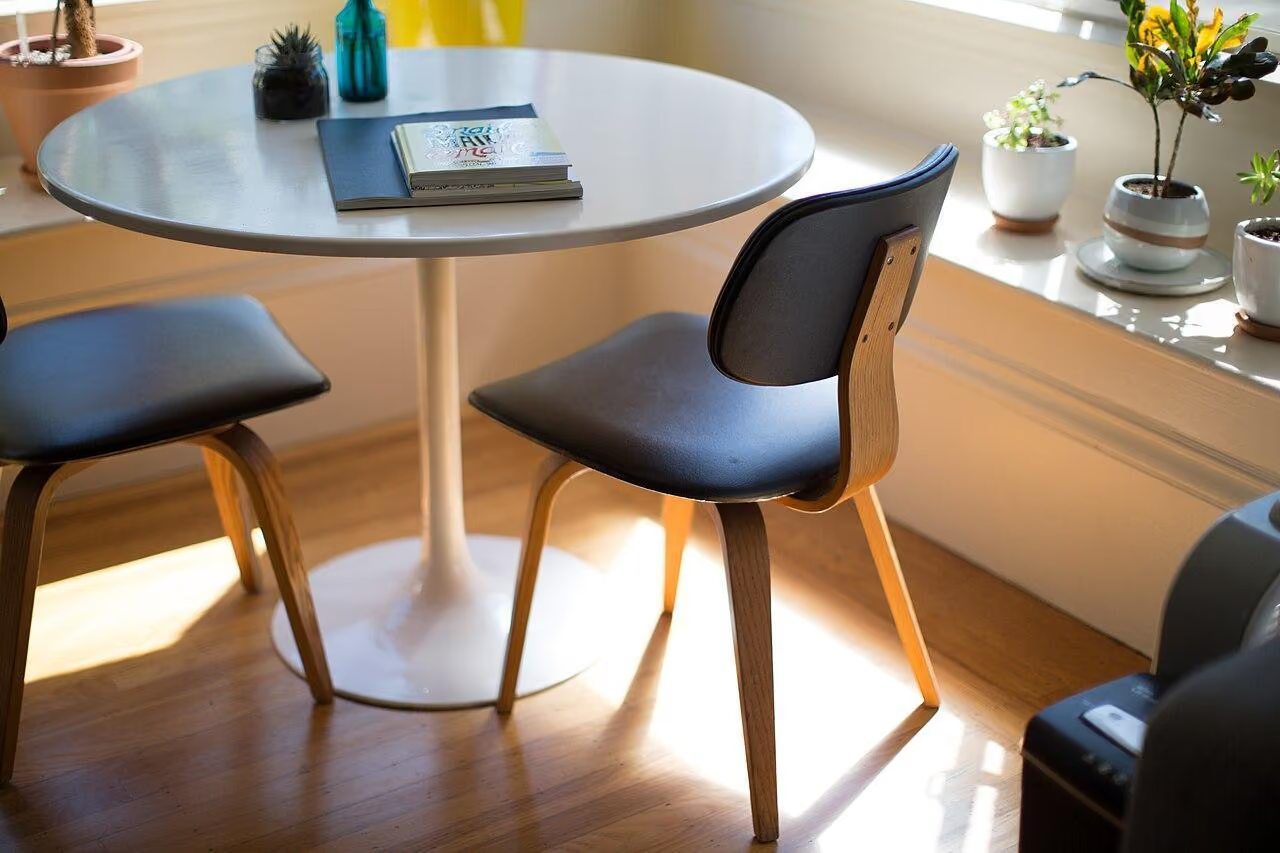
Some people drink tea while reading, others while talking or looking out of a window. The seat should support that activity. A low lounge chair may feel pleasant for one person but make standing difficult for another. Test the actual chair with a cup and a reachable table. The resident should not need to lean far forward or twist to set the drink down.
If two people share the corner, make both positions credible. A second decorative stool is not equivalent to a comfortable seat for an unhurried conversation. In a small home, the existing sofa and a useful side surface may provide a better tea corner than two new compact chairs. Keep the main walking route clear and consider the view from the seat. The most restful location may be one that feels connected to the household without sitting directly in its busiest path.
A chair used for reading over tea should be tested for a full session, not just its appearance. A Reading Corner for Someone Who Reads for Hours.
Make the surface easy to wipe and keep available
The table should tolerate ordinary use and be cared for according to its material guidance. Use a suitable coaster or tray where needed, but avoid a stack of protective layers that slides or complicates setting down a cup. Leave enough useful area for the actual routine. A small vase can be lovely until it occupies the only safe landing place for a hot drink.
Rose, chalk and pale oak can create a gentle palette around the corner. The color does not need to appear in every object. One textile and a quiet wall may be enough, with the teaware providing personal character. Keep rarely used pieces in appropriate storage rather than displaying the entire collection on the active surface. The corner should remain ready for an ordinary weekday cup, not require a complete arrangement to be unpacked each time. That readiness is a meaningful form of comfort in a compact home.
Light for pouring, reading and conversation
Atmospheric light must still allow the task to be seen. If pouring takes place at the corner, check visibility from the user’s normal position. A shaded local lamp can support reading and conversation, but its placement should avoid glare and unsafe proximity to liquids. Plan a suitable power route and stable base. Where a fixed fitting is added, use qualified electrical work as needed.
Separate the corner’s local light from the room’s brightest setting where possible. This allows a quieter evening mood without leaving the route through the home dark. Candles are not necessary to create warmth; suitable flameless or shaded sources can provide small points of light without relying on an open flame. The useful question is whether people can see one another, handle the drink comfortably and move safely. A photographically romantic darkness is not a successful result if it makes the ordinary ritual awkward.
Keep tea storage modest and appropriate
Store tea according to its packaging guidance, with daily choices easy to retrieve and reserve supplies separate if needed. A clear selection is often more useful than a large display of open jars. Keep the storage dry and away from unsuitable heat or moisture. Cleaning materials should have their own safe place rather than sharing the decorative tray.
The reset should be simple: carry used items to washing, wipe the surface and return the tray. If damp cloths or used leaves have no destination, the corner will become less inviting over time. Consider who performs the cleanup and whether the location makes that task unnecessarily long. A tea corner far from water and washing may look secluded but create a carrying routine the resident eventually avoids.
Test the ritual before buying a dedicated cabinet
Use an existing stable table and comfortable seat for several normal evenings. Notice the reaches, the light and the cleanup. Spend first on the element that makes the pause genuinely easier, whether that is a better lamp, a useful tray or a more comfortable chair. A fitted drinks cabinet may be unnecessary and introduces storage and installation costs beyond its appearance.
This proposal is unsuitable when the hot-water arrangement is unstable or the corner blocks essential circulation. In a clearly imagined evening, the second cup is poured in good light and the window reflects a quiet room. The atmosphere comes from practical decisions that let the people linger, not from pretending that ordinary handling, cleaning and movement have disappeared.
Check, record, then decide.
A proposed worksheet for your own observations. Use consistent units for dimensions and keep the conditions with each record.
Brewing versus sitting location
Where to check From the suitable hot-water source to the proposed tea seat.
- Record
- Trace preparing, carrying and setting down the finished drink; identify equipment guidance and any tight passing point or unstable interim surface.
- Read the result
- A quiet sitting corner need not contain its own kettle when the brewing conditions belong elsewhere.
- If it does not work
- Prepare tea appropriately in the kitchen and simplify the carrying route to the comfortable seat.
Loaded tray and reach
Where to check At the actual chair and stable table with the chosen cups and pot.
- Record
- Note the loaded tray's handling, useful table dimensions with units and the user's reach from the normal seated posture; include a second drinker where relevant.
- Read the result
- A tray or decorative stool does not automatically provide a suitable hot-drink surface or comfortable second place.
- If it does not work
- Use a more suitable firm table or existing seating instead of adding cramped furniture.
Light and reset
Where to check At pouring, reading and cleanup positions during the intended evening routine.
- Record
- Record visible pouring detail, page shadows, cord routes and where used leaves, cups and damp cloths go; identify decoration moved before every use.
- Read the result
- Atmosphere should coexist with useful visibility and a manageable return to a ready surface.
- If it does not work
- Adjust local light and reduce active-surface objects before purchasing a dedicated tea cabinet.
A practical trial
- Trial several ordinary evenings with the existing suitable seat and table before buying a coordinated corner.
- Handle the actual loaded tray on the intended route rather than judging its appearance empty.
- Store tea according to its packaging and separate safe cleaning storage from the decorative serving surface.
Compare the same scope
- A comfortable existing seat with a useful side surface
- A simple tray and suitable local light
- Dedicated brewing furniture only where equipment conditions genuinely suit it
Cost drivers to discuss: Seat comfort and stable reachable surface; Useful lighting with appropriate power access; Duplicated equipment and the added carrying or cleanup routine.
Choose another route when: The corner is unsuitable when hot-water handling is unstable or its furniture removes the route the household needs.
The download is a blank record template. Your completed notes remain wherever you choose to keep them; this page has no measurement-submission service.
Sources for this guide
Each reference’s supported point and limits appear beside the relevant passage above. Product documentation applies to the named product, rather than every similar item or the photographed room.
Source text checked November 4, 2026. Specifications can change; confirm the current instructions for the exact item before ordering.
Your questions, considered.
Does a tea corner need its own kettle?
No. Prepare tea in the kitchen if that is the appropriate place for equipment and hot water. The corner can provide the comfortable pause without duplicating a brewing station.
Can a tray turn an ottoman into a hot-drink table?
Do not assume so. The complete arrangement must be suitable and stable. Test the actual loaded tray and use an appropriate firm surface rather than relying on a decorative soft base.
What makes the corner easy to keep ready?
Limit the active surface to useful items, provide appropriate dry tea storage and define the washing route. A simple reset is more dependable than a collection that must be unpacked and rearranged for every cup.
About this guide: written with AI assistance for TIANLICHUJU. These are general design ideas, not a measured survey or a completed client project. Any domestic vignette is fictional. Confirm product specifications, site dimensions and local requirements before construction; use qualified professionals for regulated work. Read our editorial approach or suggest a correction.